Exploring Cellulose Packaging A Sustainable Solution for Modern Businesses
Cellulose Packaging: A Sustainable Solution for Modern Businesses
In today's environmentally conscious market, businesses are actively seeking sustainable packaging solutions. Cellulose packaging has emerged as a leading alternative to traditional plastics, offering a biodegradable and compostable option with numerous benefits. This article explores the advantages, applications, and future potential of cellulose packaging, providing insights for businesses looking to reduce their environmental footprint. Choosing eco-friendly packaging demonstrates a commitment to sustainability, resonating with consumers and fostering brand loyalty.

Understanding Cellulose Packaging
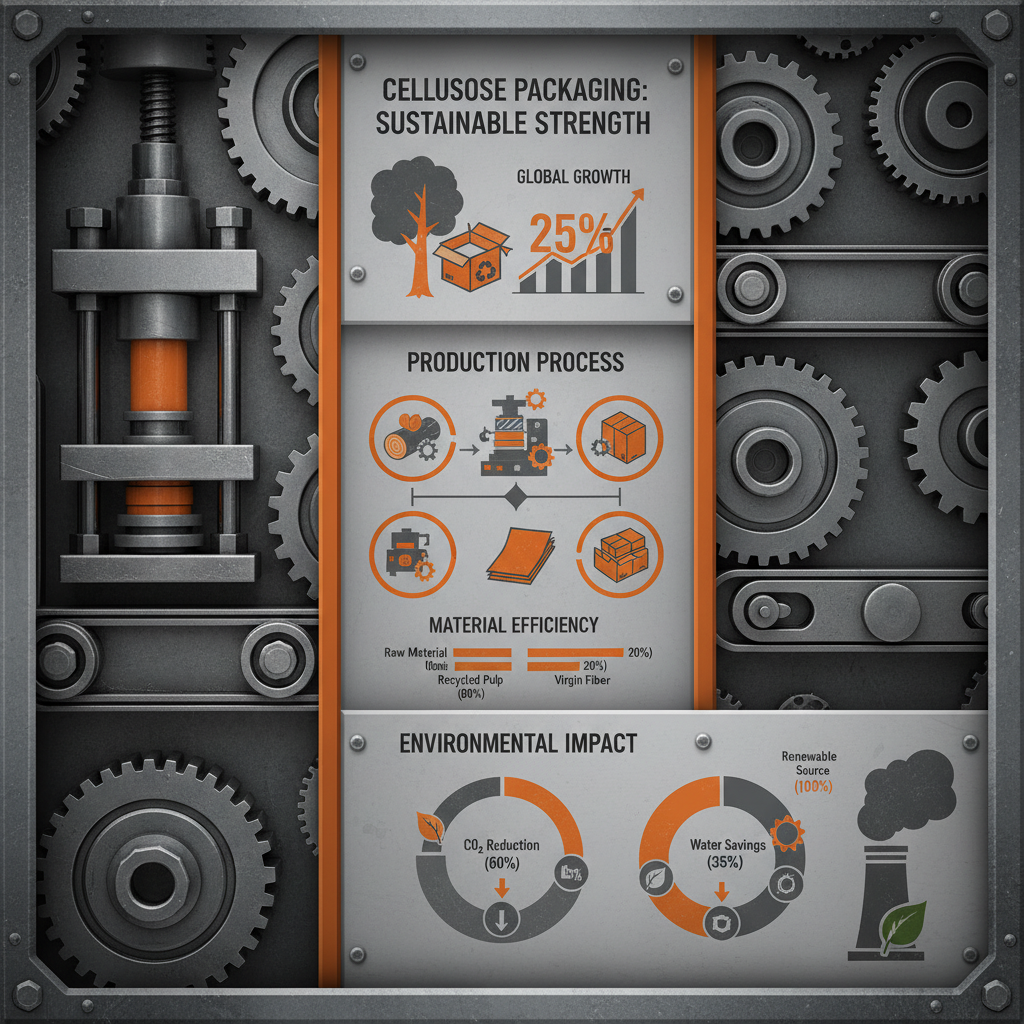
Cellulose, derived from plant sources like wood and cotton, is a naturally abundant polymer. Cellulose packaging utilizes this material to create a range of products, from molded pulp trays to flexible films. The production process typically involves breaking down plant matter into cellulose fibers, which are then processed and molded into the desired shape. This differs significantly from plastic production, which relies on fossil fuels. Because it's derived from renewable resources, cellulose packaging offers a compelling sustainable alternative. The resulting materials are highly versatile and can be adapted to a wide variety of packaging needs.
Key Highlights: Cellulose packaging is biodegradable, compostable, and derived from renewable plant sources. It offers a sustainable alternative to traditional plastic packaging.
Advantages of Cellulose Packaging
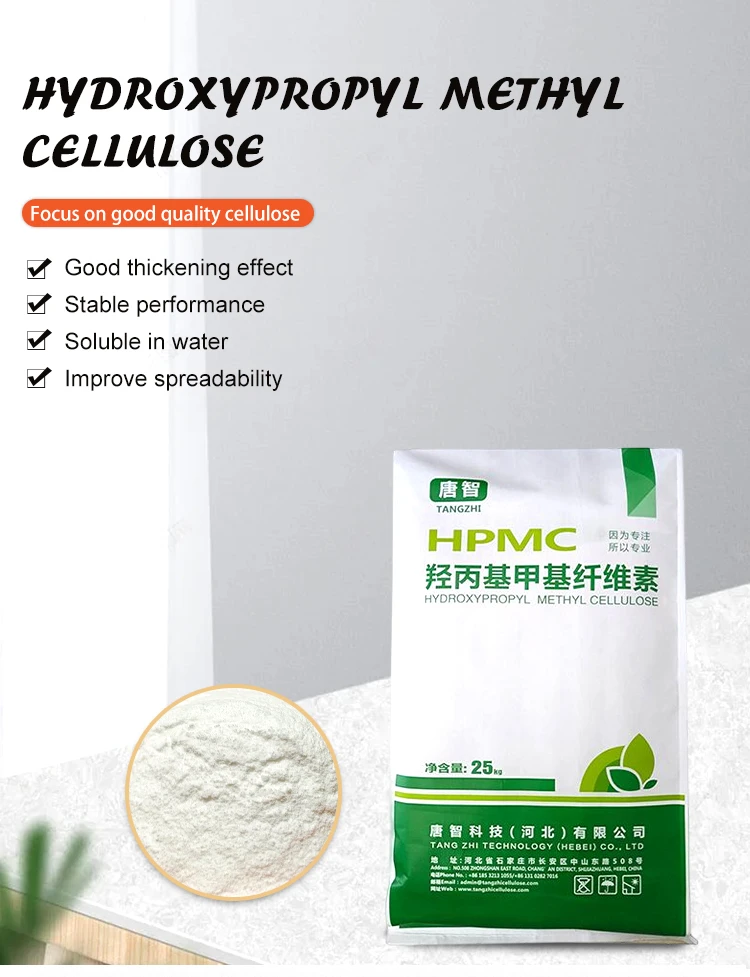
The benefits of cellulose packaging extend beyond its environmental friendliness. It’s naturally breathable, protecting products from moisture and preserving freshness. It also offers excellent cushioning properties, making it suitable for fragile items. Furthermore, cellulose can be molded into complex shapes, providing customized packaging solutions. From a marketing perspective, using cellulose packaging can enhance a brand's image and appeal to environmentally conscious consumers. HPMC Powder, a related ingredient, often contributes to enhancing the performance of cellulose-based materials.
Cellulose Packaging Benefits:
• Biodegradable and Compostable
• Renewable Resource
• Excellent Cushioning Properties
• Breathable and Moisture Protective
Cellulose Packaging vs. Plastic Packaging: A Comparative Analysis
Comparing cellulose packaging to traditional plastic reveals significant differences. Plastic, derived from fossil fuels, contributes to pollution and takes hundreds of years to decompose. Cellulose, on the other hand, breaks down naturally within months, minimizing its environmental impact. While plastic is often cheaper initially, the long-term costs associated with waste management and environmental damage are substantial. Cellulose packaging offers a sustainable alternative, aligning with growing consumer demand for eco-friendly products.
Applications of Cellulose Packaging
The versatility of cellulose packaging allows it to be used in a wide range of industries. Food and beverage companies are utilizing molded pulp trays for fruit and vegetable packaging. E-commerce businesses are adopting cellulose-based cushioning materials for protecting shipped goods. Cosmetic brands are opting for cellulose films for wrapping products. The applications are constantly expanding as technology advances. From protective packaging for electronics to sustainable containers for food service, cellulose packaging is proving to be a viable solution across multiple sectors.
Future Trends in Cellulose Packaging
The future of cellulose packaging is bright, with ongoing innovation driving further advancements. Researchers are exploring new methods for enhancing the strength and barrier properties of cellulose materials. The development of bio-based coatings is improving moisture resistance and extending shelf life. Increased investment in cellulose production facilities will contribute to greater scalability and affordability. As consumer demand for sustainable products continues to grow, cellulose packaging is poised to become the industry standard.
Conclusion: Embracing Sustainable Packaging with Cellulose
Cellulose packaging represents a crucial step towards a more sustainable future. Its biodegradable nature, renewable sourcing, and versatile applications make it an ideal choice for businesses seeking to minimize their environmental impact. By embracing cellulose packaging, companies can demonstrate their commitment to environmental responsibility and resonate with a growing base of eco-conscious consumers.
Frequently Asked Questions (FAQs)
What is the cost difference between cellulose and plastic packaging?
While plastic packaging often has a lower upfront cost, it’s essential to consider the long-term environmental and economic implications. The costs associated with plastic waste management, pollution, and resource depletion are significant. Cellulose packaging is becoming increasingly competitive in price, especially as production scales up. The overall lifecycle cost of cellulose packaging is often lower due to reduced waste disposal fees and a positive brand image.
Is cellulose packaging suitable for all types of products?
Cellulose packaging is incredibly versatile, but its suitability depends on the specific product. It’s excellent for dry goods, produce, and items requiring cushioning. For products requiring a high moisture barrier, a bio-based coating may be necessary. Ongoing research and development are expanding the range of applications for cellulose packaging, making it suitable for an even wider variety of products.
How does cellulose packaging contribute to a circular economy?
Cellulose packaging is a key component of a circular economy. Being biodegradable and compostable, it returns to the earth, enriching the soil and supporting plant growth. This contrasts sharply with plastic, which accumulates in landfills and oceans. By using cellulose packaging, businesses can reduce waste, conserve resources, and promote a more sustainable closed-loop system.
Where can I source cellulose packaging materials?
Several companies specialize in the production of cellulose packaging. HPMC Powder is involved in materials science that supports the development and enhancement of these packaging solutions. Online marketplaces and industry directories can also connect you with suppliers. It’s important to choose a reputable supplier committed to sustainable practices and quality control.
-
Industrial Guide to Cellosize Hydroxyethyl Cellulose ApplicationsNewsApr.16,2026
-
Industrial Applications and Benefits of nanofibrillar celluloseNewsApr.09,2026
-
Comprehensive Guide to Hydroxypropyl Methylcellulose and Its Diverse ApplicationsNewsApr.07,2026
-
Exploring Cellulose Based Packaging A Sustainable Choice for BusinessesNewsApr.04,2026
-
Comprehensive Guide to MHEC Chemical Properties and Industrial ApplicationsNewsMar.31,2026
-
Exploring Cellulose Packaging for Food A Sustainable and Renewable SolutionNewsMar.28,2026