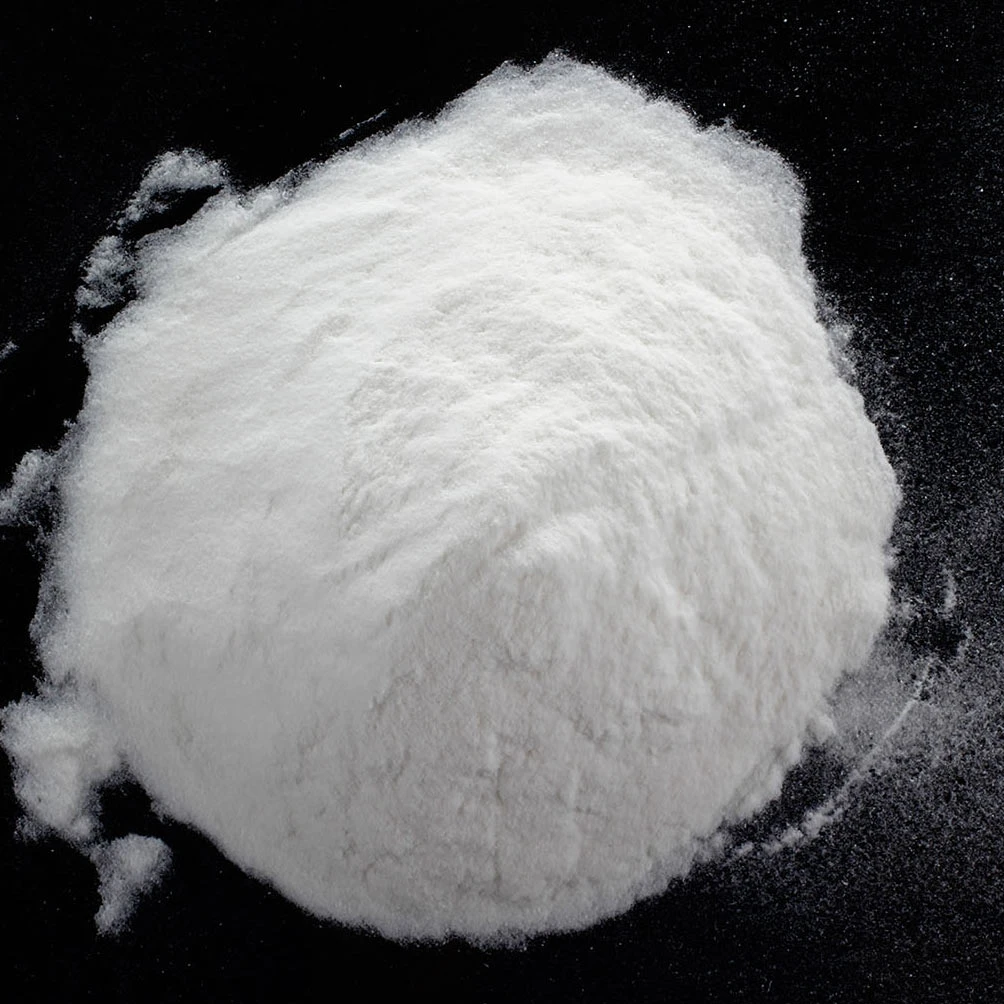
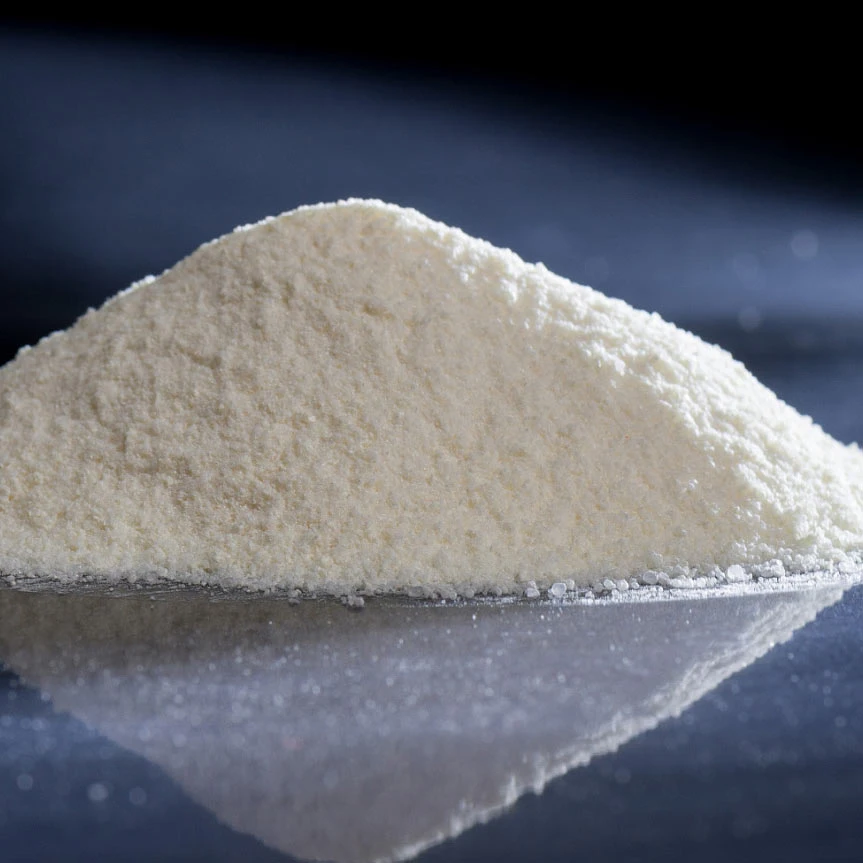
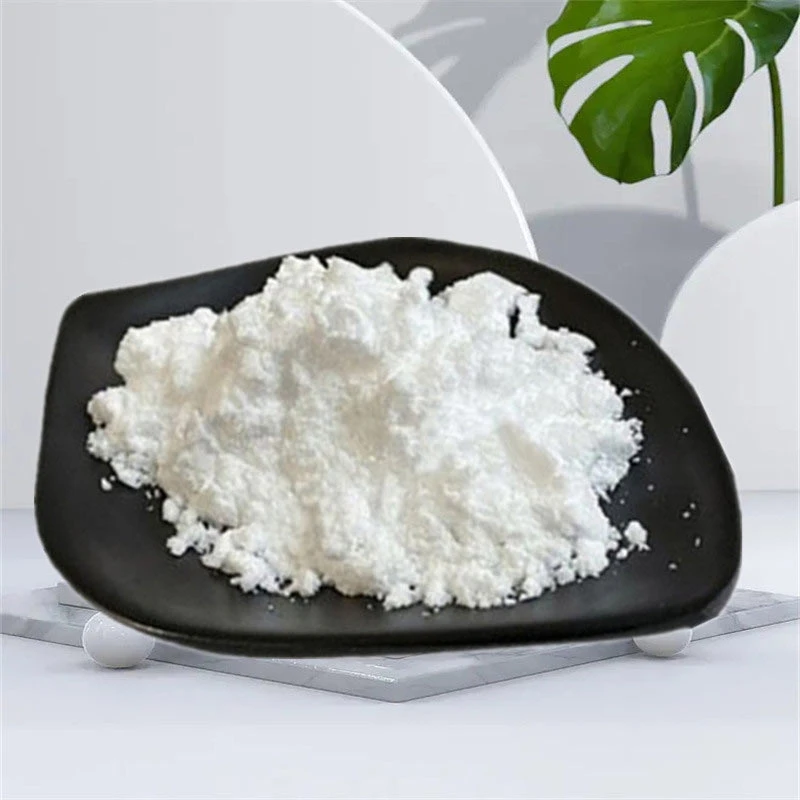
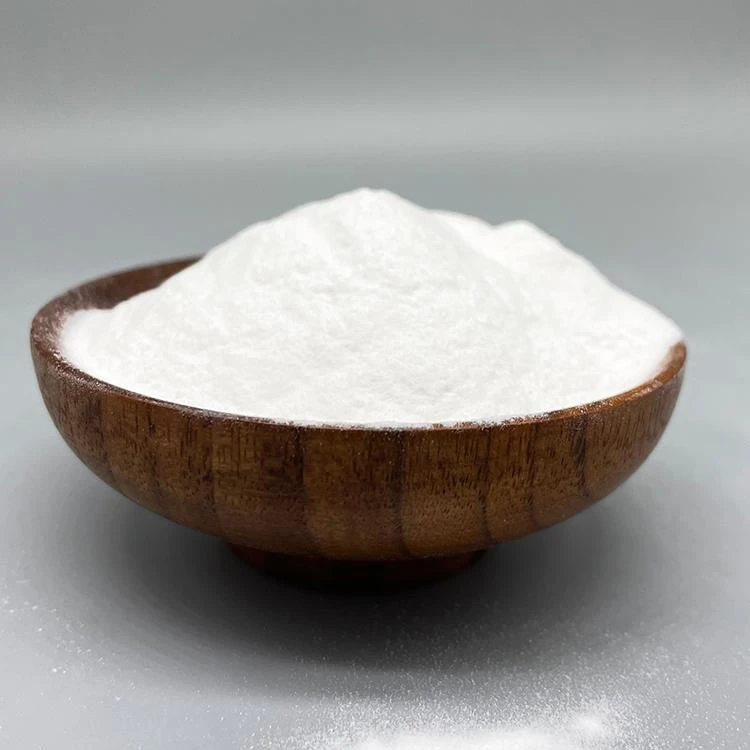
Exploring Regenerated Cellulose A Sustainable Material for Diverse Applications
Regenerated Cellulose: A Comprehensive Guide
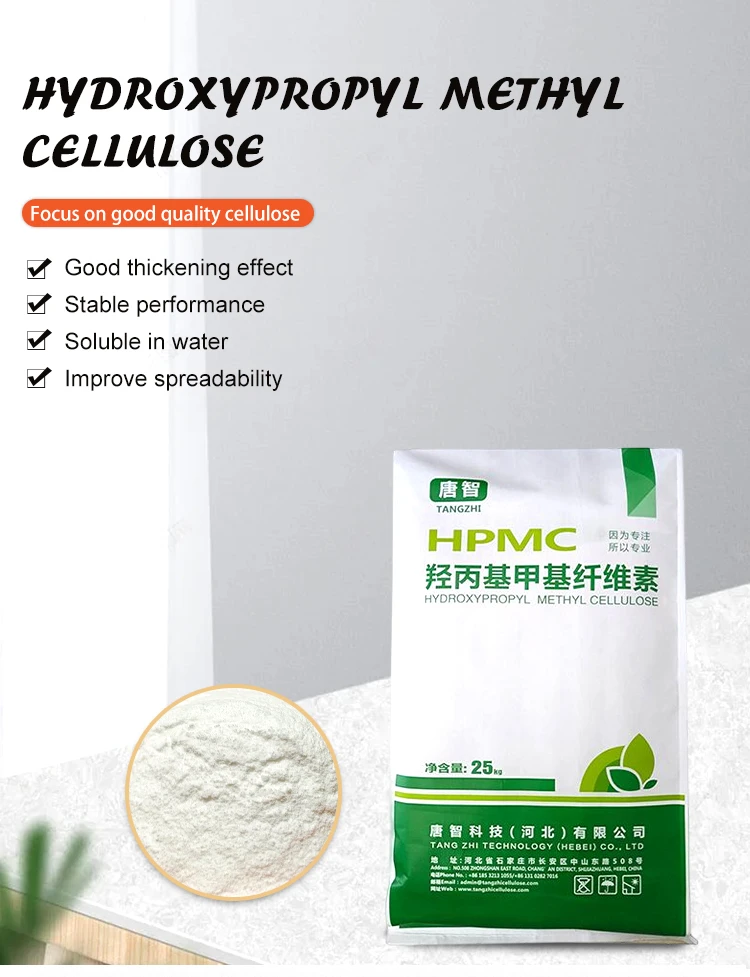
Regenerated cellulose is a versatile material gaining prominence across various industries, from pharmaceuticals and food to textiles and cosmetics. Derived from natural cellulose sources, it offers a sustainable and biocompatible alternative to synthetic polymers. This article provides an in-depth exploration of regenerated cellulose, its production methods, applications, benefits, and future potential. Understanding the properties and uses of this material is crucial for businesses seeking eco-friendly and high-performance solutions. You can find more information about our cellulose products at HPMC Powder.
What is Regenerated Cellulose?
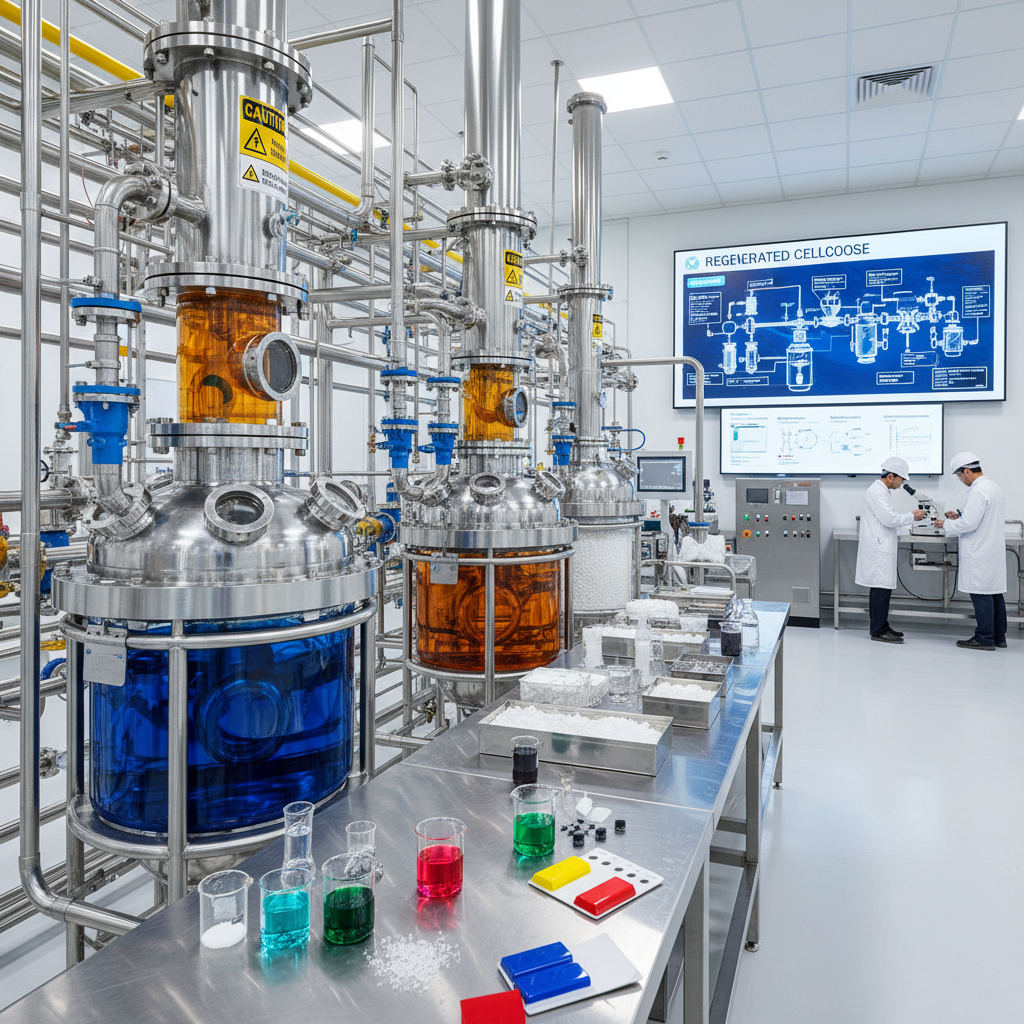
Regenerated cellulose refers to cellulose that has been dissolved and then reformed into a new structure. Unlike native cellulose found in plants, which has a crystalline structure, regenerated cellulose often has a less ordered structure, enhancing its solubility and processability. The most common methods involve dissolving cellulose in various solvents and then extruding or casting it into desired forms like films, fibers, or microparticles. This process allows for tailoring the material's properties for specific applications. The source of cellulose is typically wood pulp or cotton linters, both renewable resources.
Key Highlights: A sustainable alternative to synthetic polymers, derived from renewable sources like wood pulp and cotton linters, offering excellent biocompatibility and processability.
Common Production Methods of Regenerated Cellulose
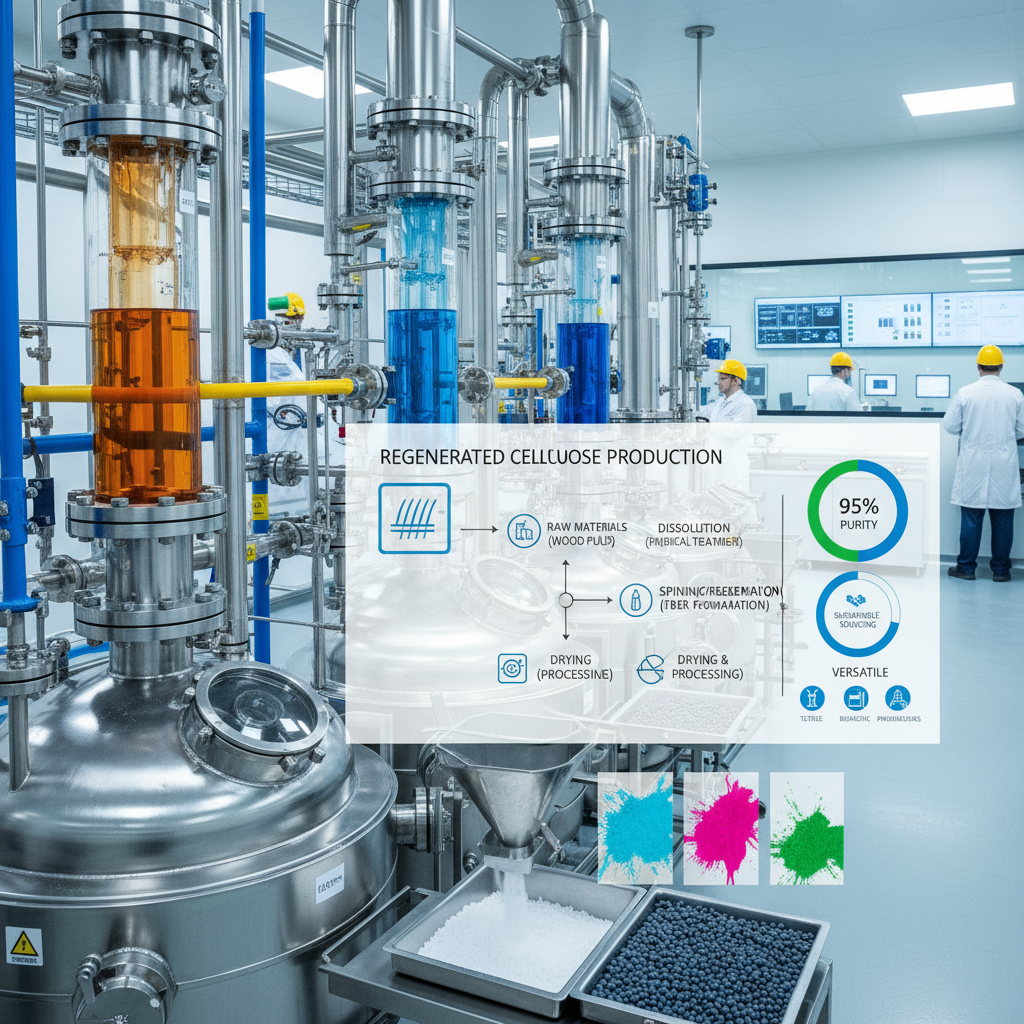
Several methods are employed for producing regenerated cellulose, each yielding materials with varying properties. The Viscose process, Lyocell process, and Cuprammonium process are the most prevalent. The Viscose process, while widely used, involves harsh chemicals. The Lyocell process is considered more environmentally friendly as it utilizes a closed-loop solvent system. The Cuprammonium process, though less common now due to environmental concerns, produces high-purity cellulose fibers. The choice of process depends on the desired end-product characteristics and sustainability goals. HPMC Powder specializes in high-quality cellulose derivatives.
Production Method Comparison:
• Viscose: Widely used, involves harsh chemicals, cost-effective.
• Lyocell: Environmentally friendly, closed-loop system, higher production costs.
• Cuprammonium: High purity, less common, environmental concerns.
Applications of Regenerated Cellulose Across Industries
The versatility of regenerated cellulose has led to its adoption in diverse sectors. In the pharmaceutical industry, it's used as a binder, disintegrant, and film coating agent for tablets. In the food industry, it acts as a thickener, stabilizer, and fat substitute. The textile industry utilizes it for making rayon fabrics. Cosmetics incorporate it for its thickening and film-forming properties. Furthermore, regenerated cellulose is being explored for use in biomedical applications like wound dressings and drug delivery systems.
Benefits of Using Regenerated Cellulose
Regenerated cellulose offers numerous advantages over synthetic materials. It’s a sustainable and renewable resource, reducing reliance on fossil fuels. It’s biocompatible and biodegradable, minimizing environmental impact. Its excellent film-forming properties and ability to be modified for specific functionalities make it ideal for a wide range of applications. Additionally, it is generally non-toxic and hypoallergenic, making it safe for use in contact with skin and food.
Future Trends and Innovations in Regenerated Cellulose
Research and development in regenerated cellulose are continuously expanding its potential. Current efforts focus on improving the sustainability of production processes, such as developing more environmentally friendly solvents and reducing water consumption. Nanocellulose, a derivative of regenerated cellulose, is gaining significant attention due to its exceptional strength and versatility. Applications in 3D printing, flexible electronics, and advanced composites are being actively explored. The future of regenerated cellulose is bright, with ongoing innovations paving the way for a more sustainable and technologically advanced world.
Conclusion: Embracing Sustainable Materials
Regenerated cellulose stands as a compelling solution for industries seeking sustainable, biocompatible, and versatile materials. Its wide range of applications, coupled with ongoing innovations, positions it as a key player in the future of materials science. By embracing this eco-friendly alternative, businesses can contribute to a more responsible and sustainable future. Contact HPMC Powder today to explore our range of cellulose products.
Frequently Asked Questions (FAQs)
What are the environmental benefits of using regenerated cellulose?
Regenerated cellulose offers significant environmental advantages as it is derived from renewable resources like wood pulp and cotton linters, reducing reliance on fossil fuels. It’s biodegradable, meaning it breaks down naturally, minimizing landfill waste. Production processes like Lyocell are designed with closed-loop systems, reducing water usage and chemical emissions. Overall, it’s a more sustainable alternative to many synthetic polymers, contributing to a lower carbon footprint.
How does regenerated cellulose compare to traditional cellulose?
Traditional cellulose, found in plants, has a highly crystalline structure that makes it difficult to dissolve and process. Regenerated cellulose, on the other hand, undergoes a process of dissolution and reformation, resulting in a less ordered structure. This enhances its solubility, processability, and allows for tailoring its properties for specific applications. While native cellulose has its uses, regenerated cellulose opens up a wider range of possibilities due to its modified characteristics.
What are the potential applications of nanocellulose derived from regenerated cellulose?
Nanocellulose, derived from regenerated cellulose, possesses exceptional strength, high surface area, and unique properties. Potential applications include reinforcing composites for lightweight materials, creating high-performance packaging films, developing advanced wound dressings with enhanced healing properties, and serving as a building block for flexible electronics. Its biocompatibility also makes it ideal for biomedical applications like drug delivery systems. Research in this area is rapidly expanding.
Is regenerated cellulose safe for food contact applications?
Yes, regenerated cellulose is generally recognized as safe (GRAS) for use in food contact applications by regulatory bodies like the FDA. It is non-toxic, odorless, and tasteless, making it suitable for use as a food additive, thickener, stabilizer, or coating. However, it's crucial to ensure that the specific grade of regenerated cellulose used meets the required food-grade standards and is manufactured under appropriate quality control measures.
-
Industrial Guide to Cellosize Hydroxyethyl Cellulose ApplicationsNewsApr.16,2026
-
Industrial Applications and Benefits of nanofibrillar celluloseNewsApr.09,2026
-
Comprehensive Guide to Hydroxypropyl Methylcellulose and Its Diverse ApplicationsNewsApr.07,2026
-
Exploring Cellulose Based Packaging A Sustainable Choice for BusinessesNewsApr.04,2026
-
Comprehensive Guide to MHEC Chemical Properties and Industrial ApplicationsNewsMar.31,2026
-
Exploring Cellulose Packaging for Food A Sustainable and Renewable SolutionNewsMar.28,2026