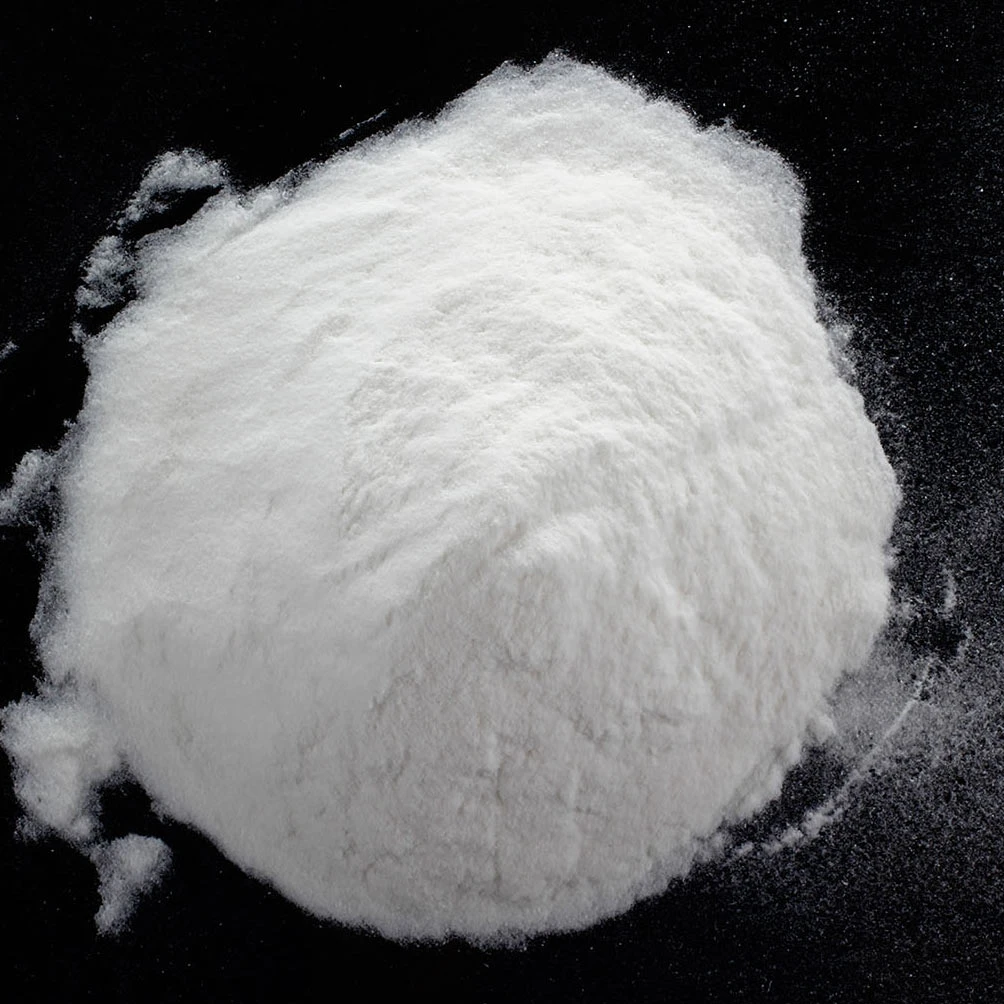
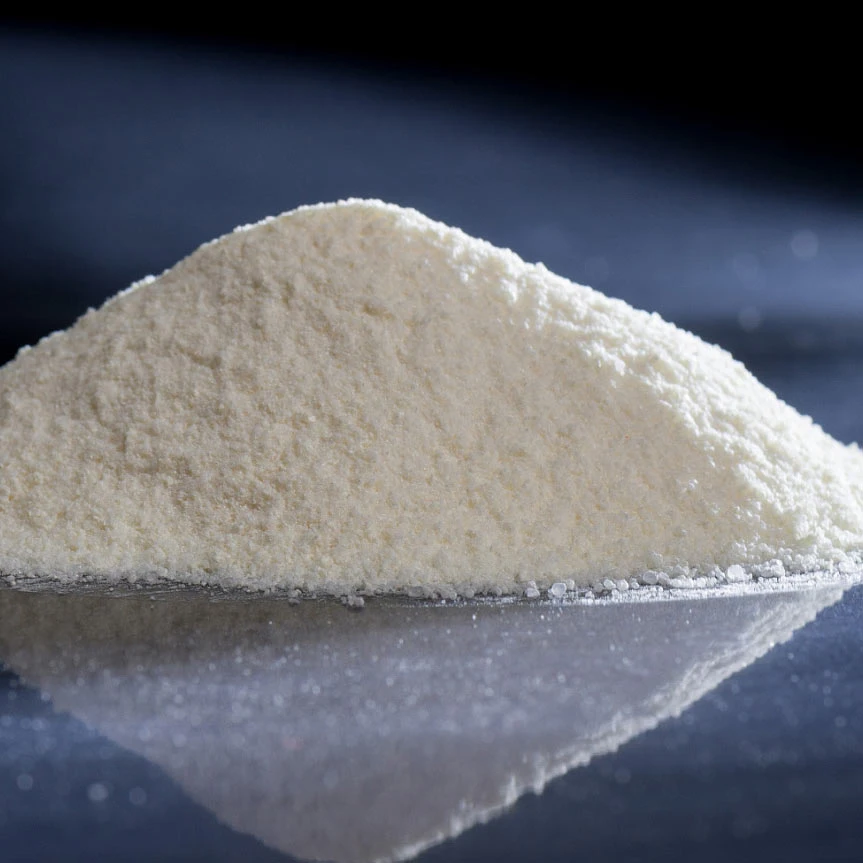
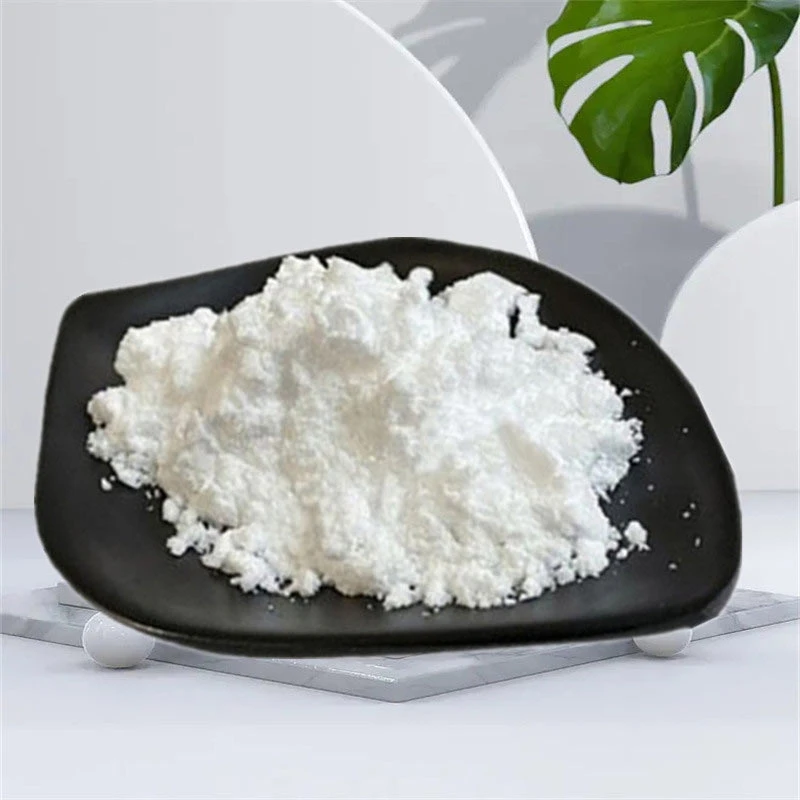
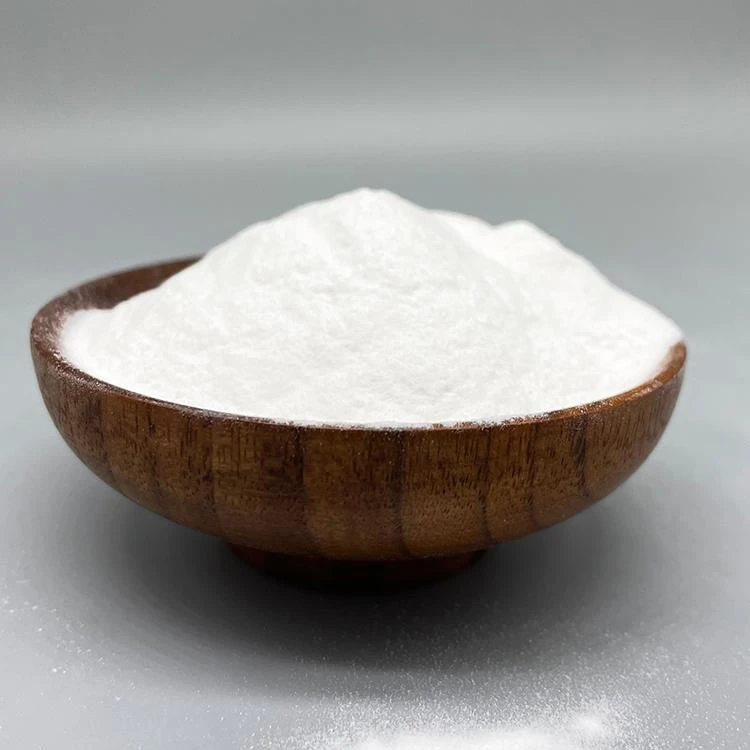
Exploring Sodium Carboxy Methyl Cellulose Applications and Industrial Significance
Understanding Sodium Carboxy Methyl Cellulose (CMC) and its Applications
Sodium Carboxy Methyl Cellulose (CMC), a versatile and widely used cellulose derivative, plays a crucial role in numerous industries, from food production to pharmaceuticals and oil drilling. Its unique properties – thickening, binding, stabilizing, and film-forming – make it an indispensable ingredient in countless applications. This article delves into the characteristics, production, applications, and benefits of CMC, providing a comprehensive overview for professionals and those interested in understanding this important compound. Understanding CMC's functionalities is key to optimizing product performance and innovation across diverse sectors.

What is Sodium Carboxy Methyl Cellulose?
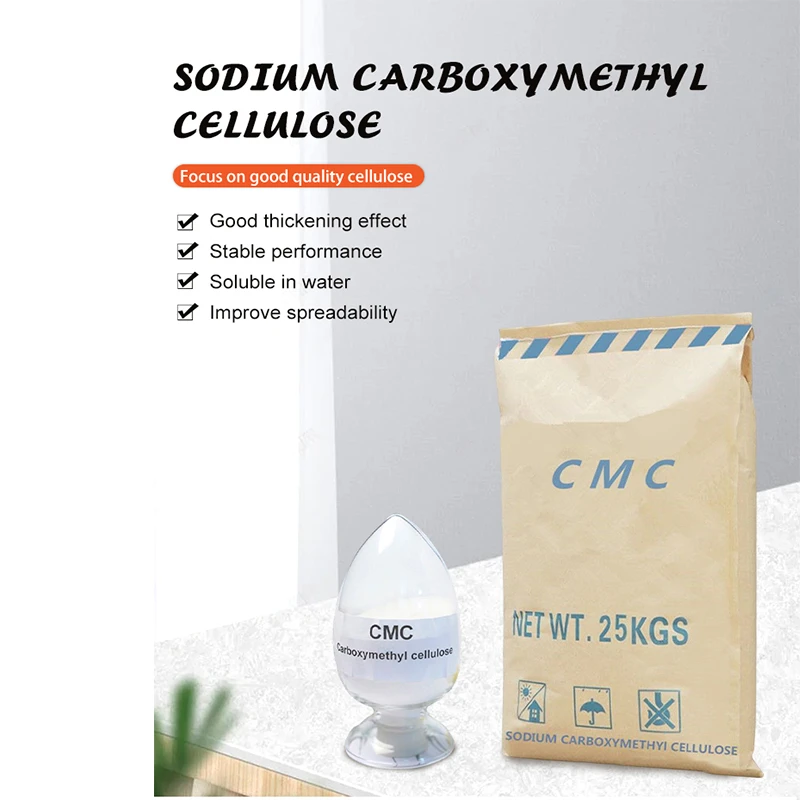
Sodium Carboxy Methyl Cellulose (CMC) is a water-soluble polymer derived from cellulose, a natural component of plant cell walls. It’s produced by chemically modifying cellulose through carboxymethylation, introducing carboxymethyl groups (-CH2-COOH) along the cellulose chain. This modification imparts several important properties, including enhanced water solubility and the ability to form viscous solutions. CMC is available in various grades, differing in viscosity, degree of substitution, and purity, allowing for tailored performance in different applications. The molecular weight and degree of substitution directly impact the solution viscosity and functionality. CMC from reputable suppliers offers consistent quality and performance.
Key Highlights: CMC is a water-soluble polymer derived from cellulose, offering thickening, binding, stabilizing, and film-forming properties.
Applications of Sodium Carboxy Methyl Cellulose Across Industries
The versatility of CMC makes it a valuable ingredient across a broad spectrum of industries. In the food industry, it's used as a thickening agent in ice cream, sauces, and baked goods, and as a stabilizer in beverages. The pharmaceutical industry utilizes CMC as a binder in tablets, a suspending agent in liquid medications, and a viscosity-enhancing agent in ophthalmic solutions. Oil drilling relies on CMC as a fluid loss control agent and viscosifier in drilling muds. Furthermore, it finds applications in detergents, textiles, paper, and ceramics, highlighting its widespread utility. Its biocompatibility and non-toxicity contribute to its use in cosmetic and personal care products as well.
CMC Applications at a Glance:
• Food Industry: Thickening, stabilizing, binding
• Pharmaceutical: Binder, suspending agent, viscosity enhancer
• Oil Drilling: Fluid loss control, viscosifier
• Cosmetics & Personal Care: Thickening, stabilizing
Sodium Carboxy Methyl Cellulose: Grades and Specifications
CMC is produced in various grades, each tailored to specific application requirements. These grades are categorized based on viscosity, degree of substitution (DS), and purity. Viscosity, measured in centipoise (cP), determines the thickening power of the CMC solution. The degree of substitution, indicating the number of carboxymethyl groups per glucose unit, impacts solubility and functionality. Higher DS generally leads to better solubility. Purity levels are crucial for applications requiring strict quality control, such as pharmaceuticals. Here's a simplified table illustrating common CMC specifications:
Advantages of Using Sodium Carboxy Methyl Cellulose
CMC offers a multitude of benefits that contribute to its widespread adoption. These include its excellent water solubility, forming clear and stable solutions. It's a cost-effective thickening agent, requiring relatively small amounts to achieve desired viscosity. Its neutral taste and odor make it suitable for food and pharmaceutical applications. Moreover, it's biocompatible and non-toxic, minimizing safety concerns. Its stabilizing properties prevent separation and sedimentation in suspensions and emulsions. CMC's film-forming ability is exploited in coatings and adhesives. Choosing high-quality CMC ensures optimal performance and reliability.

Conclusion: The Indispensable Role of CMC
Sodium Carboxy Methyl Cellulose remains a cornerstone ingredient across diverse industries, offering a unique combination of functionality, cost-effectiveness, and safety. From enhancing food textures to improving pharmaceutical formulations and optimizing oil drilling operations, its versatile properties make it an essential component in countless applications. HPMCPowder.com offers a wide range of CMC grades to meet your specific requirements, ensuring quality and consistent performance.
Frequently Asked Questions (FAQs)
What factors affect the viscosity of a CMC solution?
Several factors influence the viscosity of a CMC solution. The grade of CMC (viscosity specified by the manufacturer) is the most important. Higher viscosity CMC grades result in thicker solutions. Concentration – increasing the amount of CMC dissolved in the water will increase viscosity. Temperature – viscosity generally decreases as temperature increases. The presence of salts – some salts can reduce viscosity while others may increase it, depending on the type and concentration. pH – extreme pH levels can also affect the stability and viscosity of the solution. Agitation – vigorous mixing can temporarily reduce viscosity.
Is CMC gluten-free?
Yes, Sodium Carboxy Methyl Cellulose is naturally gluten-free. It’s derived from cellulose, which is found in plants and does not contain gluten. Therefore, CMC is a suitable ingredient for gluten-free formulations in the food industry, catering to individuals with celiac disease or gluten sensitivity. However, it's always important to verify the source and processing of the CMC to ensure it hasn't been contaminated with gluten during manufacturing.
How should CMC be stored?
CMC should be stored in a cool, dry, and well-ventilated area, away from direct sunlight, heat, and moisture. It's best to keep it in its original, tightly closed container to prevent contamination and maintain its quality. Prolonged exposure to humidity can cause clumping and reduce its effectiveness. Proper storage conditions ensure that the CMC retains its functional properties and extends its shelf life.
What are the safety considerations when handling CMC?
CMC is generally considered safe to handle, but it's always wise to follow standard safety precautions. Avoid creating dust when handling the powder, as it can cause respiratory irritation. Wearing a dust mask is recommended. Avoid eye contact and ingestion. In case of eye contact, flush thoroughly with water. While CMC is non-toxic, prolonged exposure to high concentrations of dust may cause discomfort. Consult the Material Safety Data Sheet (MSDS) for detailed safety information.
-
Industrial Guide to Cellosize Hydroxyethyl Cellulose ApplicationsNewsApr.16,2026
-
Industrial Applications and Benefits of nanofibrillar celluloseNewsApr.09,2026
-
Comprehensive Guide to Hydroxypropyl Methylcellulose and Its Diverse ApplicationsNewsApr.07,2026
-
Exploring Cellulose Based Packaging A Sustainable Choice for BusinessesNewsApr.04,2026
-
Comprehensive Guide to MHEC Chemical Properties and Industrial ApplicationsNewsMar.31,2026
-
Exploring Cellulose Packaging for Food A Sustainable and Renewable SolutionNewsMar.28,2026