Polyvinyl Alcohol Applications and PVA Bond Uses in Construction and Industry
Polyvinyl alcohol (PVA) is a highly versatile synthetic polymer widely used in construction, packaging, textiles, and industrial applications. Known for its excellent film-forming properties, strong adhesion, and water solubility, PVA has become a preferred material in many industries. From bulk PVA bags used in packaging to bonding agents used in building materials, polyvinyl alcohol continues to expand its applications globally.
With increasing demand for sustainable materials and high-performance bonding agents, polyvinyl alcohol suppliers and PVA manufacturers are continuously developing new products to meet market needs. In this article, we will explore the characteristics of PVA, its industrial uses, and how it is commonly applied in construction processes such as plastering, painting, and concrete bonding.
Understanding Polyvinyl Alcohol and Its Industrial Applications
Polyvinyl alcohol is a synthetic polymer produced through the hydrolysis of polyvinyl acetate. It is known for its water solubility, biodegradability, and excellent adhesive strength. Many companies publish detailed technical documents such as a polyvinyl alcohol pdf or pva primer msds to explain the chemical properties, safety instructions, and recommended uses of their products.
Bulk PVA Bags and Packaging Solutions
One of the most innovative applications of PVA is the use of bulk PVA bags. These bags are designed to dissolve in water, making them ideal for packaging chemicals, dyes, and detergents. Workers can place the entire bag into a mixing tank without direct contact with the materials inside, improving workplace safety and reducing waste.
Bulk PVA bags are widely used in industries such as:
- Agriculture chemicals
- Construction additives
- Textile dyes
- Cement and mortar additives
Because they dissolve completely in water, they help eliminate packaging waste and improve efficiency in manufacturing processes.
Polyvinyl Alcohol Suppliers and Manufacturers
As demand grows, polyvinyl alcohol suppliers and pva manufacturers have expanded their production capacity worldwide. These manufacturers produce a wide variety of PVA grades designed for different industries.
Common forms of PVA include:
White PVA adhesive for woodworking and construction
PVA white glue used in crafts and household applications
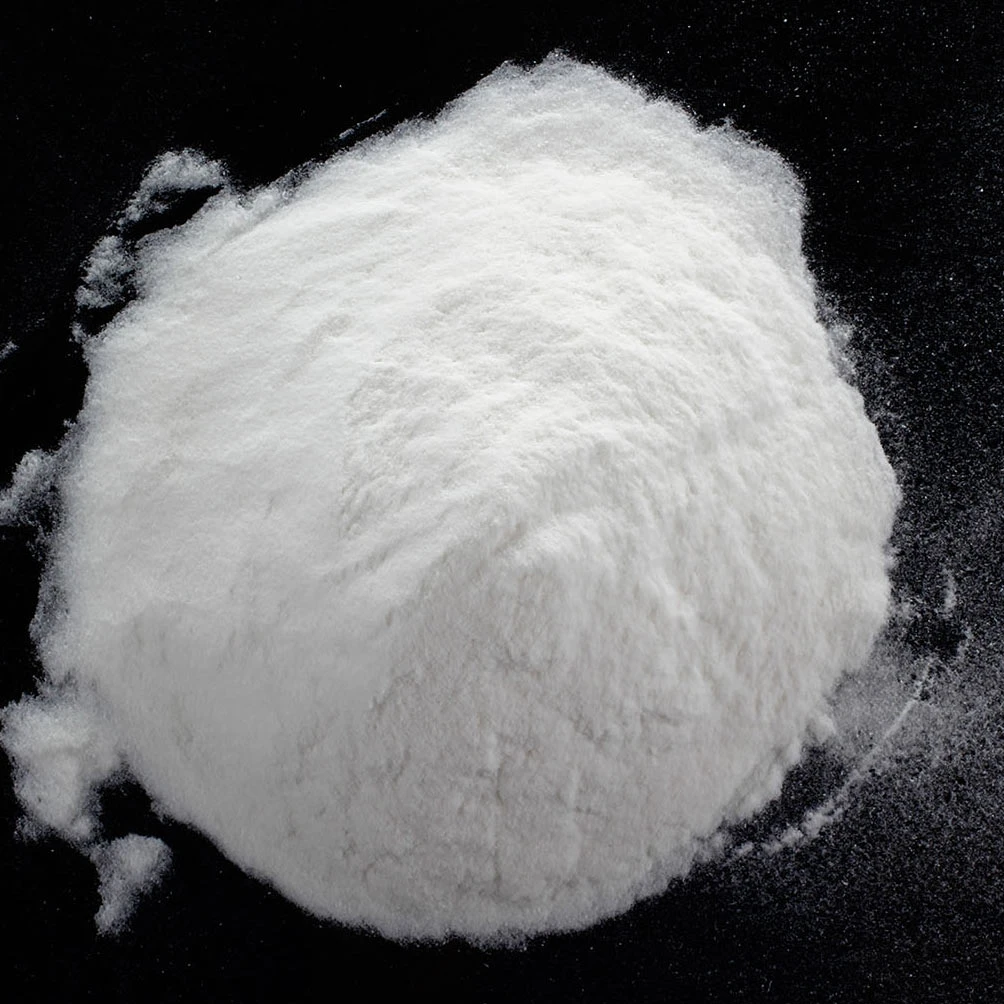
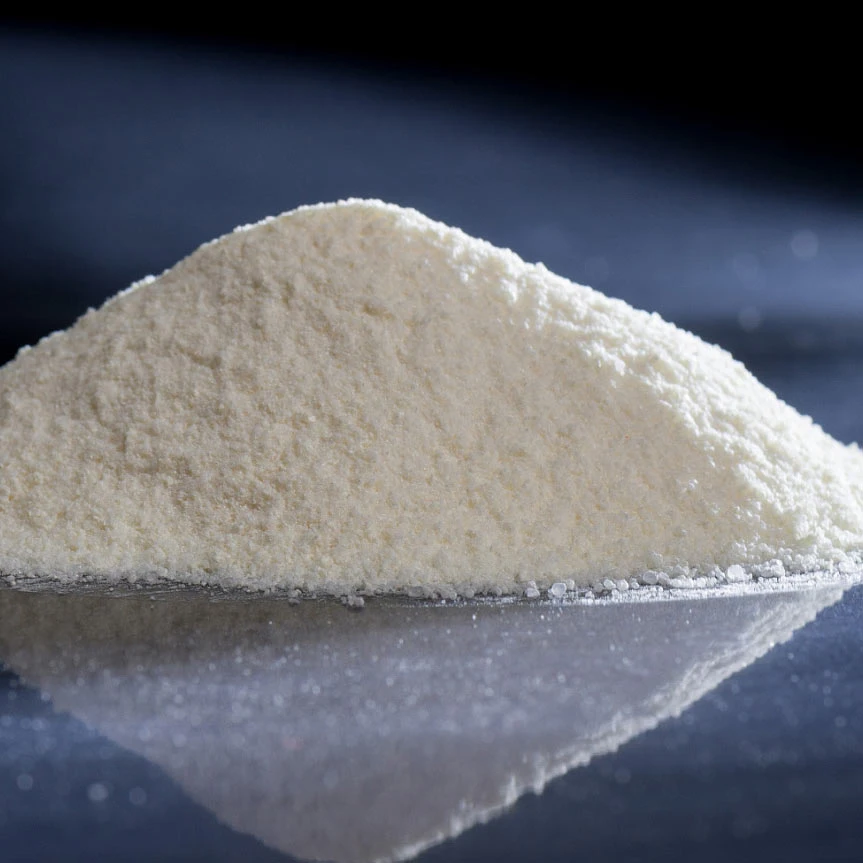
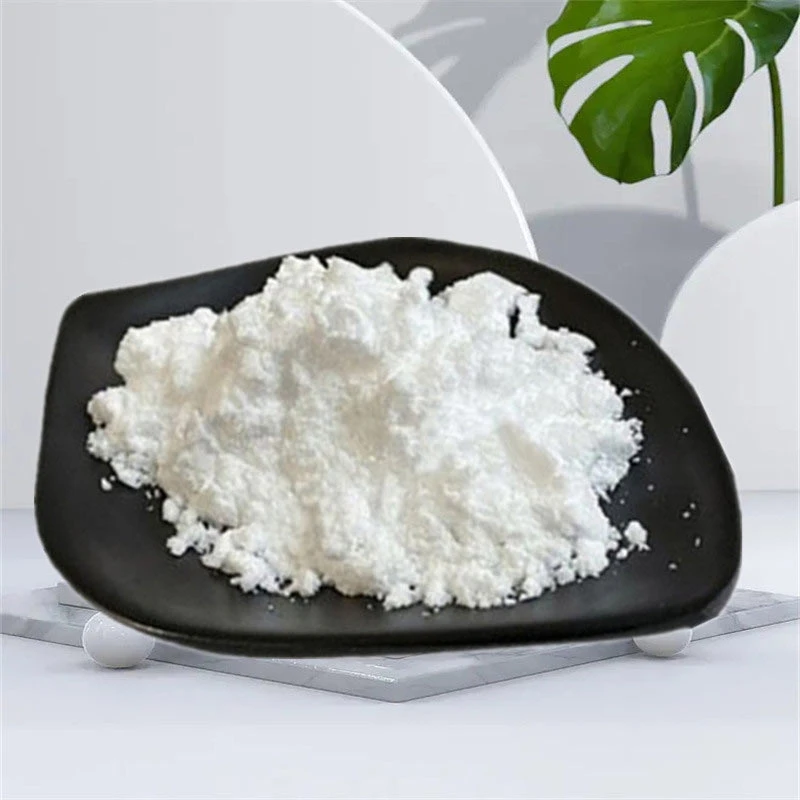
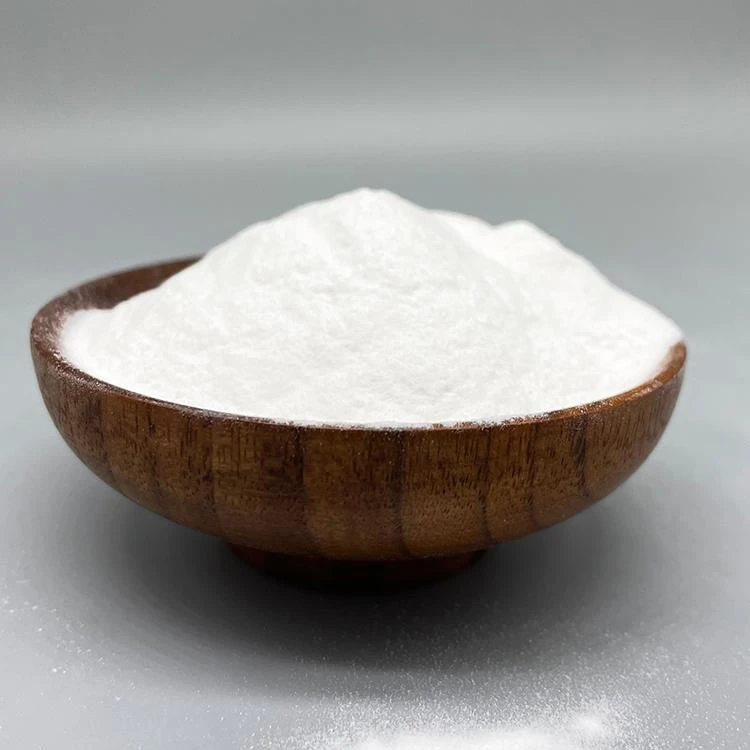
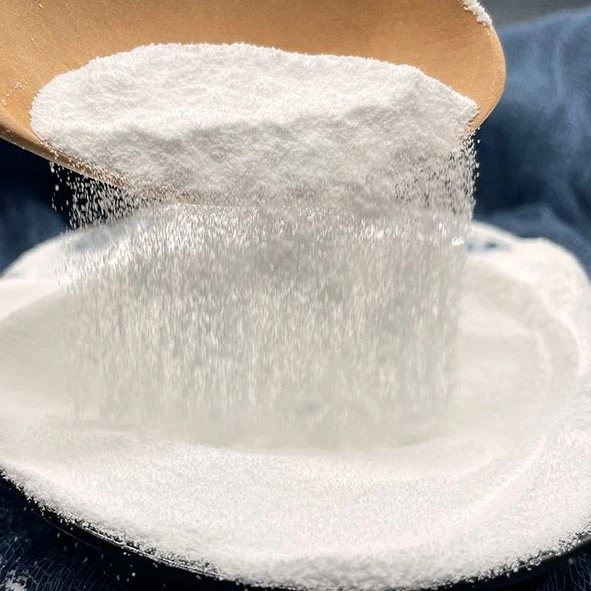
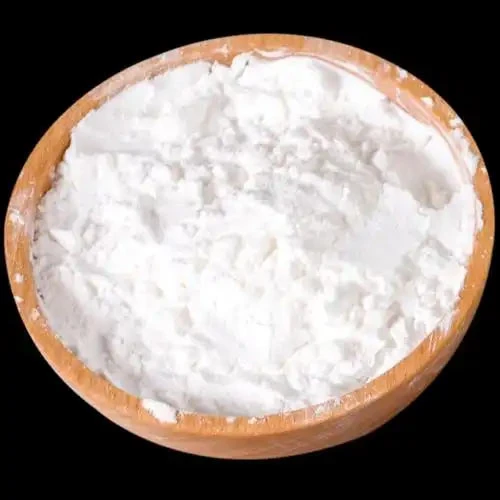
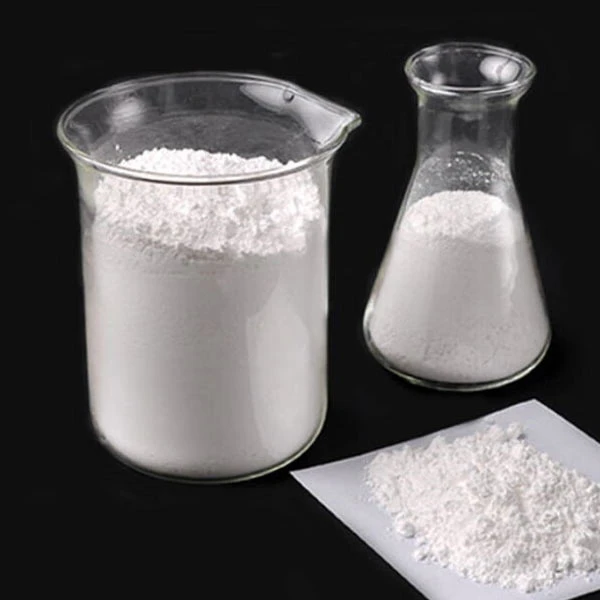
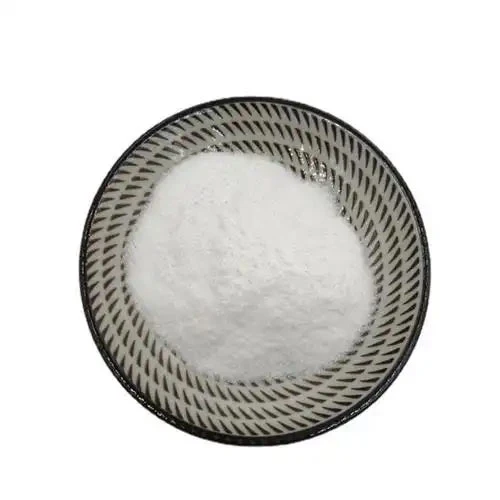
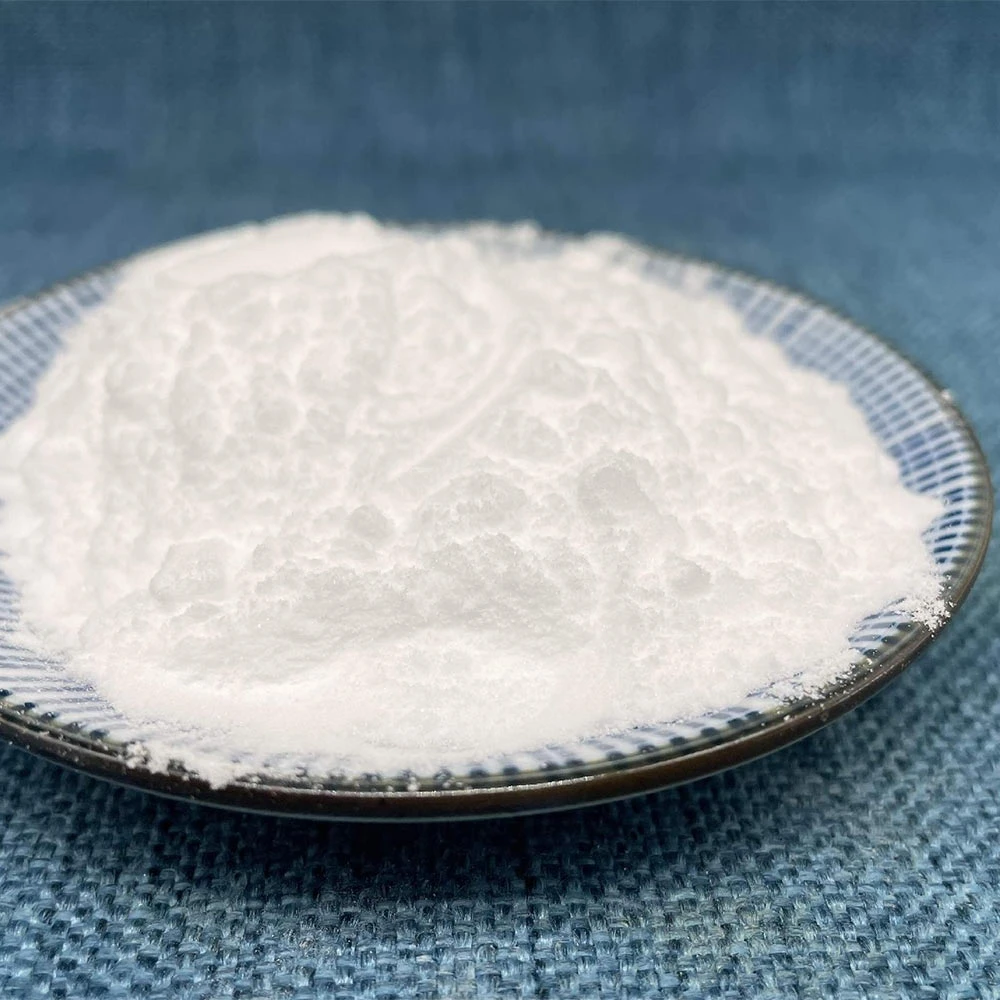
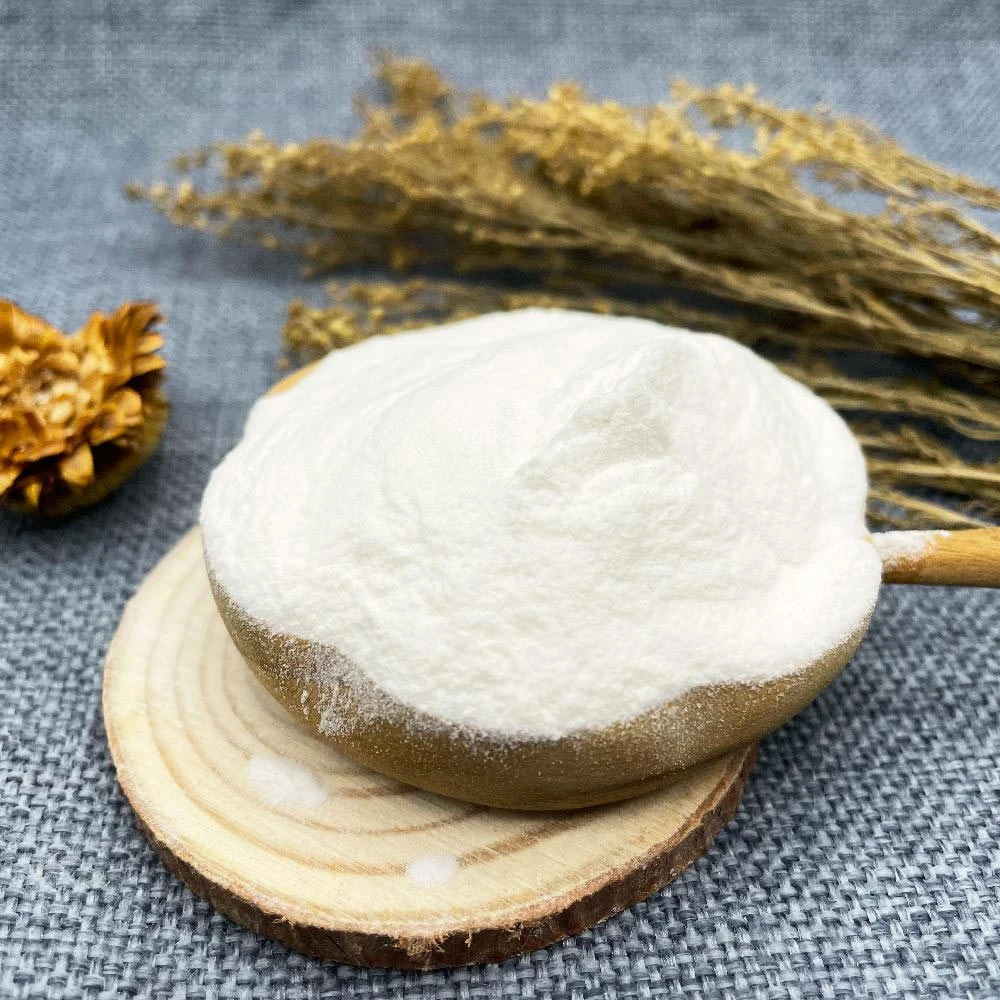
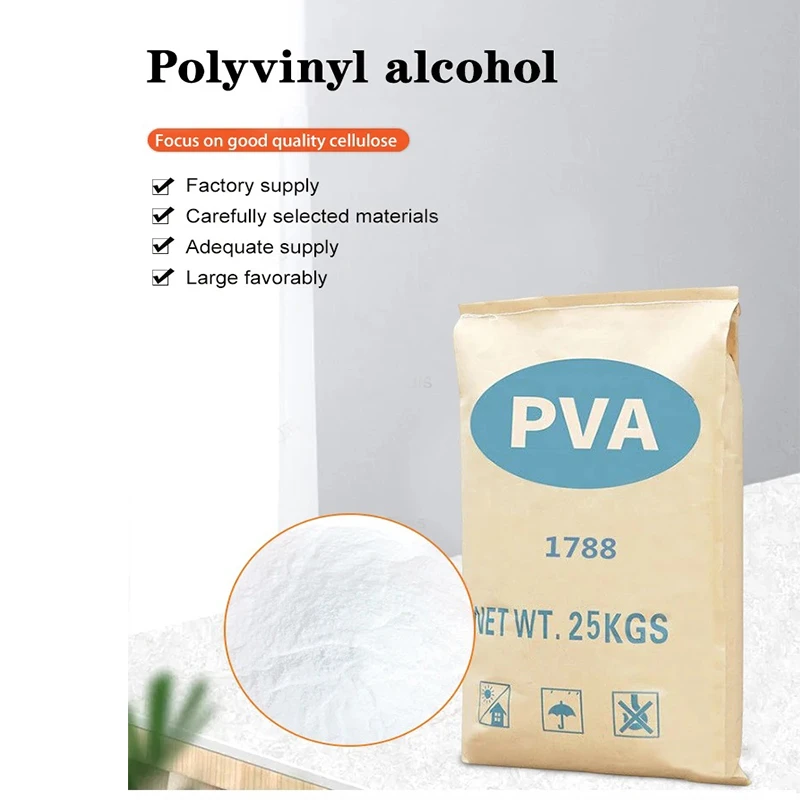
PVA powder for industrial processing
PVA films for packaging
PVA fibers for reinforcement in construction materials
Manufacturers often provide technical support and documentation, including safety data sheets such as pva primer msds, ensuring safe handling and compliance with international standards.
Environmental Considerations
A common question in environmental discussions is “is polyvinyl alcohol a microplastic?” Unlike many traditional plastics, PVA is water-soluble and biodegradable under certain conditions. When properly treated in wastewater systems, it can break down through microbial activity.
While research continues regarding its environmental impact, many studies indicate that PVA behaves differently from conventional microplastics and does not accumulate in the environment in the same way.
PVA Bond Applications in Construction and Surface Preparation
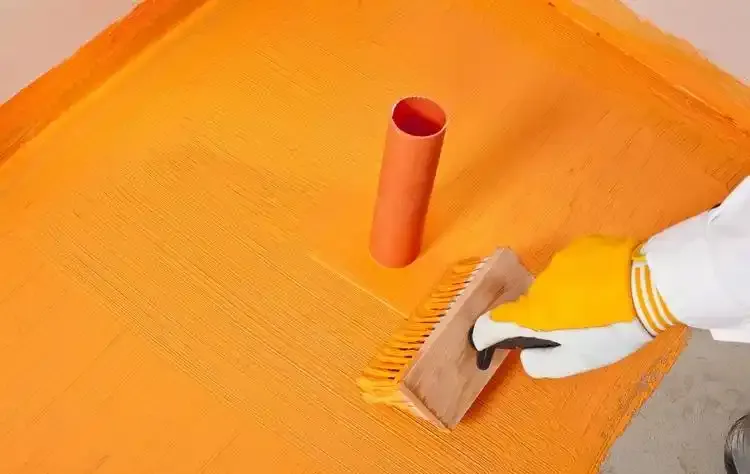
One of the most important uses of PVA in construction is as a bonding agent. Known as pva bond, this material improves adhesion between surfaces and helps strengthen building materials such as plaster, mortar, and concrete.
PVA Bond Before Painting
Applying pva bond before painting is a common technique used to prepare porous surfaces. When diluted with water, PVA acts as a primer that seals the surface and improves paint adhesion.
Benefits of using PVA before painting include:
Reducing paint absorption on porous surfaces
Improving paint durability
Preventing peeling or flaking
Enhancing overall finish quality
In many renovation projects, workers also apply pva ceiling before painting to ensure a uniform paint finish, especially on newly plastered ceilings.
PVA Bond for Concrete
Concrete surfaces can sometimes have poor adhesion when new layers are applied. Using pva bond for concrete helps improve the bond between old and new materials.
Contractors often mix PVA with water and brush it onto the concrete surface before applying mortar or screed. This process enhances adhesion and reduces the risk of cracks or separation.
Typical applications include:
Repairing damaged concrete surfaces
Bonding screed layers
Preparing floors for tile installation
Strengthening cement-based coatings
PVA Bond for Plastering
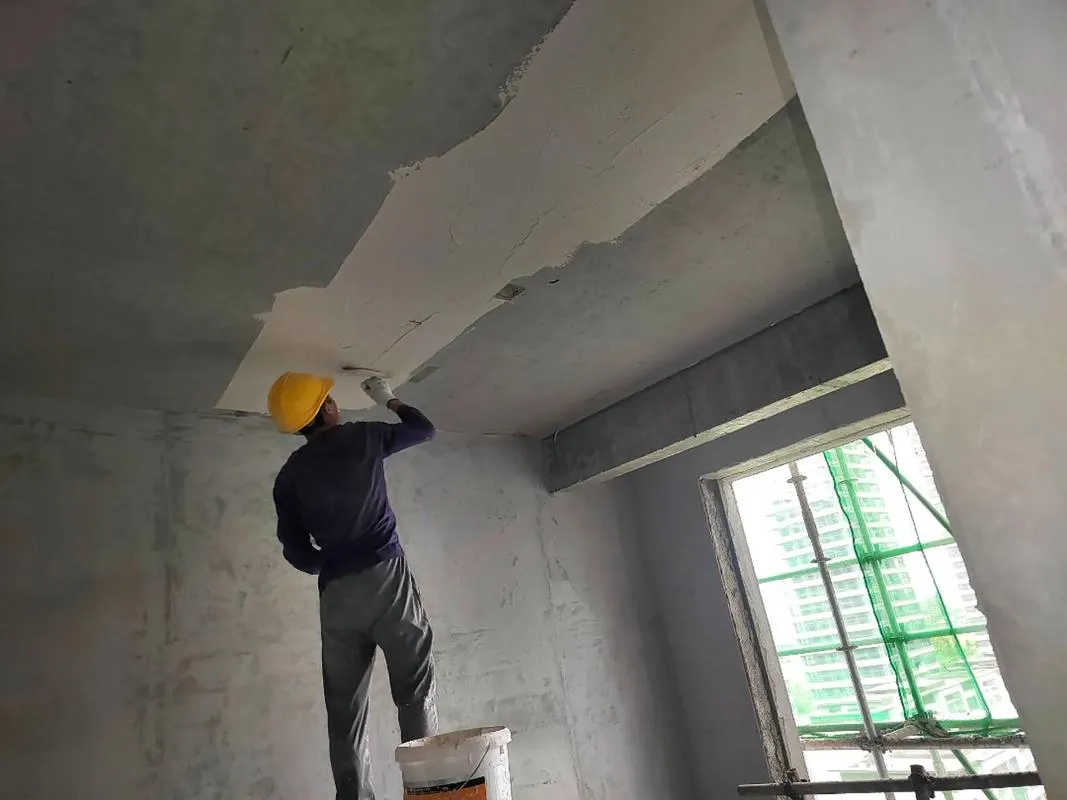
Another important construction use is pva bond for plastering. When plaster is applied to walls or ceilings, a PVA solution is often used as a bonding agent to improve adhesion.
Before plastering, workers may apply diluted PVA to the surface to reduce moisture absorption and increase bonding strength. This process is especially useful for smooth surfaces such as concrete or previously painted walls.
PVA Ceiling Before Plastering
When preparing ceilings for plastering, contractors frequently apply pva ceiling before plastering. This step ensures that the plaster adheres properly and reduces the risk of plaster detachment over time.
Benefits include:
Stronger adhesion between plaster and ceiling surface
Reduced cracking during drying
Improved plaster durability
Smoother final surface finish
Because ceilings are particularly sensitive to bonding issues due to gravity, using PVA as a bonding agent is considered a best practice in many construction projects.
Polyvinyl alcohol is a versatile polymer with applications ranging from industrial packaging to construction bonding agents. Products such as bulk PVA bags, adhesives like white PVA, and bonding solutions such as pva bond for concrete and pva bond for plastering demonstrate the wide-ranging uses of this material.
With continuous innovation from pva manufacturers and polyvinyl alcohol suppliers, PVA-based materials continue to evolve to meet modern industrial and environmental demands. Whether used as a primer before painting, a bonding agent for plaster, or a dissolvable packaging solution, polyvinyl alcohol remains an essential material in many industries.
As research continues into sustainability and environmental safety, understanding questions such as is polyvinyl alcohol a microplastic will help industries use this material more responsibly while benefiting from its unique properties.
FAQ: Polyvinyl Alcohol Applications and PVA Bond Uses
1. What are bulk PVA bags used for?
Bulk PVA bags are water-soluble packaging solutions used to safely transport chemicals, dyes, and construction additives. The bags dissolve in water during mixing, eliminating packaging waste and reducing worker exposure to hazardous materials.
2. Where can I find a polyvinyl alcohol pdf or technical documentation?
Most polyvinyl alcohol suppliers provide technical resources such as polyvinyl alcohol pdf documents and pva primer msds sheets. These documents contain information about chemical properties, safety guidelines, and recommended applications.
3. Why is PVA bond used before painting?
Using pva bond before painting helps seal porous surfaces and improve paint adhesion. It reduces paint absorption and creates a more uniform finish, especially when applying paint to plaster or concrete surfaces.
4. Can PVA bond be used for plastering and concrete?
Yes. Pva bond for concrete and pva bond for plastering are common construction practices. The adhesive improves bonding between surfaces, helping prevent cracking and separation in cement-based materials.
5. Is polyvinyl alcohol a microplastic?
Many people ask “is polyvinyl alcohol a microplastic?” While it is a synthetic polymer, PVA is water-soluble and can biodegrade under certain conditions. This makes it different from traditional microplastics that accumulate in the environment.
-
Industrial Guide to Cellosize Hydroxyethyl Cellulose ApplicationsNewsApr.16,2026
-
Industrial Applications and Benefits of nanofibrillar celluloseNewsApr.09,2026
-
Comprehensive Guide to Hydroxypropyl Methylcellulose and Its Diverse ApplicationsNewsApr.07,2026
-
Exploring Cellulose Based Packaging A Sustainable Choice for BusinessesNewsApr.04,2026
-
Comprehensive Guide to MHEC Chemical Properties and Industrial ApplicationsNewsMar.31,2026
-
Exploring Cellulose Packaging for Food A Sustainable and Renewable SolutionNewsMar.28,2026