Polyvinyl Alcohol Applications and Market Guide: From PVA Plastic Bags to Polypropylene Fiber
Polyvinyl alcohol is an important synthetic polymer widely used in multiple industries, including textiles, packaging, construction, and chemical manufacturing. Companies around the world are constantly searching for reliable sources of polyvinyl alcohol for sale due to its unique combination of strength, flexibility, and water solubility.
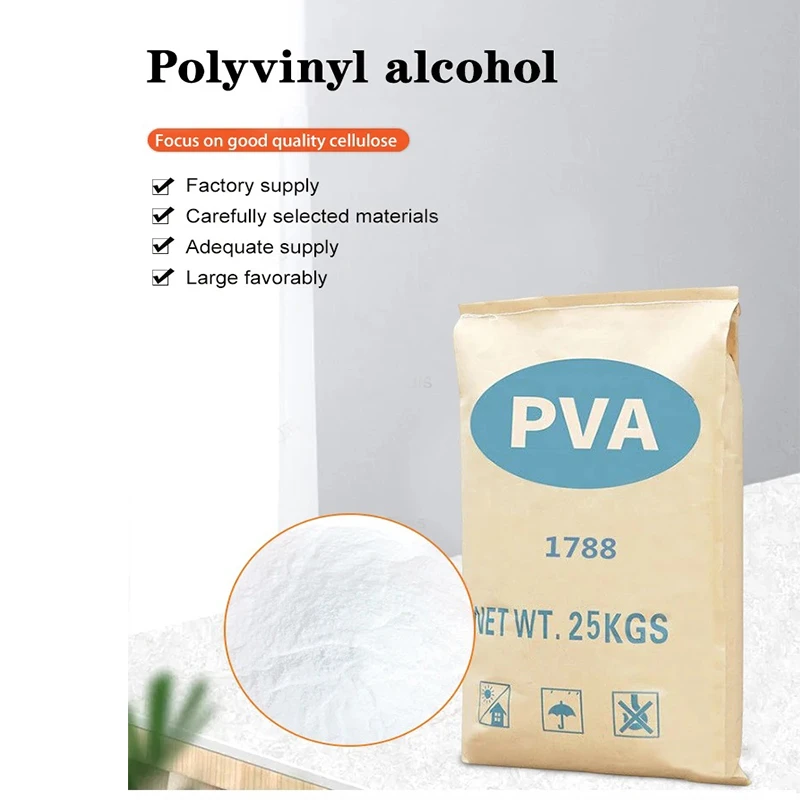
Often supplied as polyvinyl alcohol powder, this material can be processed into films, fibers, coatings, and adhesives. It is commonly referred to as polyviny alcohol or abbreviated as PVA or PVOH in the industrial market. Products such as pva plastic bags, specialty fibers, and packaging films all rely on the properties of this versatile material.
Many businesses also compare the pva price with other polymer materials to determine cost efficiency for different applications. In addition, industries frequently ask the question: is polyvinyl alcohol a plastic? Understanding its properties and uses helps manufacturers choose the best materials for their products.
What Is Polyvinyl Alcohol and How Is It Used?
Polyvinyl alcohol (PVA) is a synthetic polymer produced through the hydrolysis of polyvinyl acetate. Unlike many other polymers, PVA is water-soluble and biodegradable under certain environmental conditions, which makes it an attractive material for eco-conscious manufacturing.
Polyvinyl Alcohol Powder and Industrial Processing
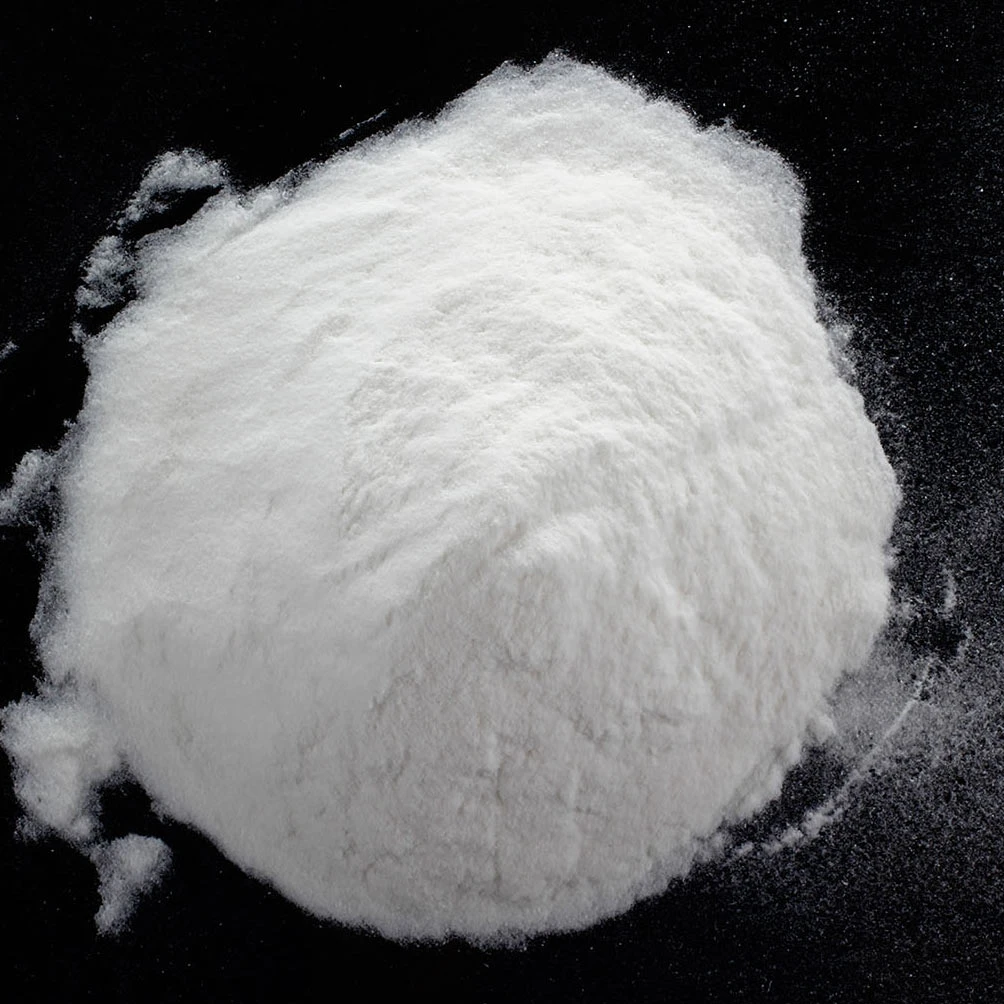
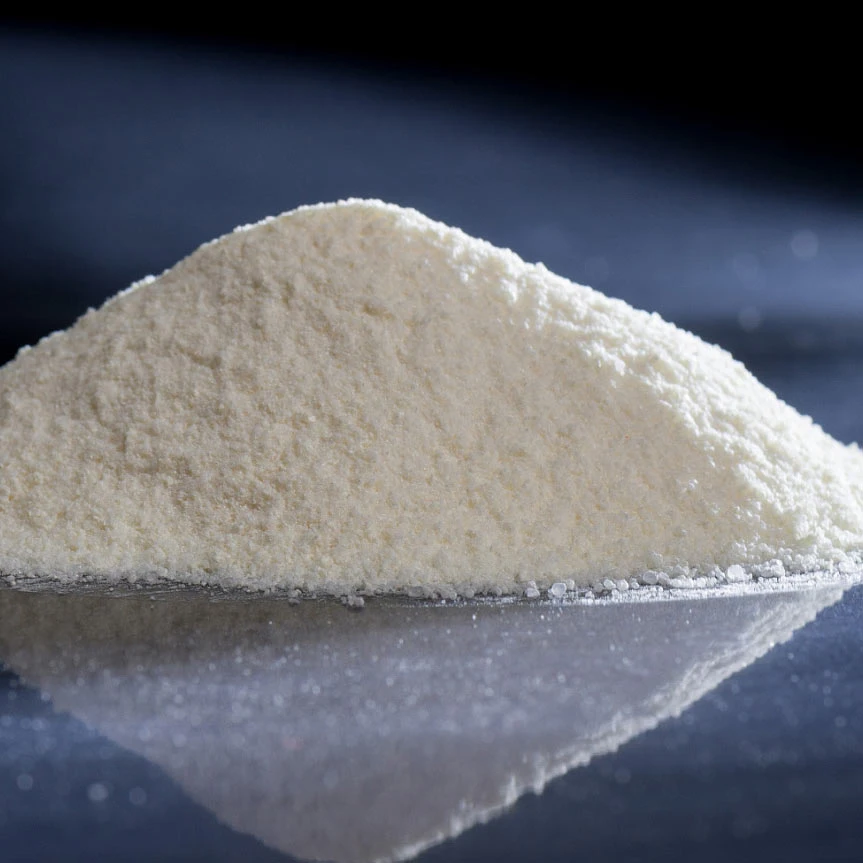
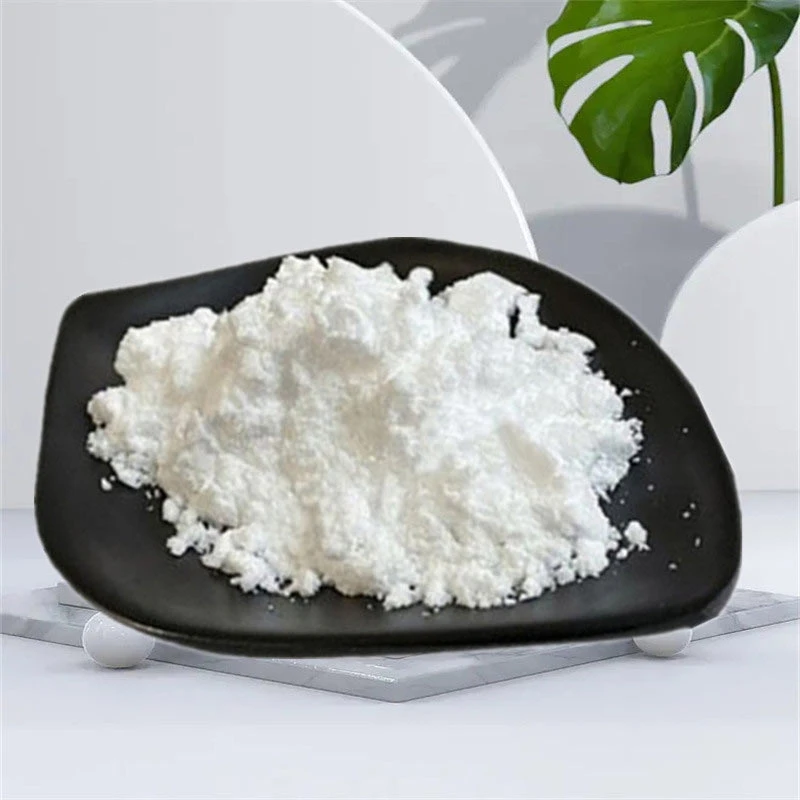
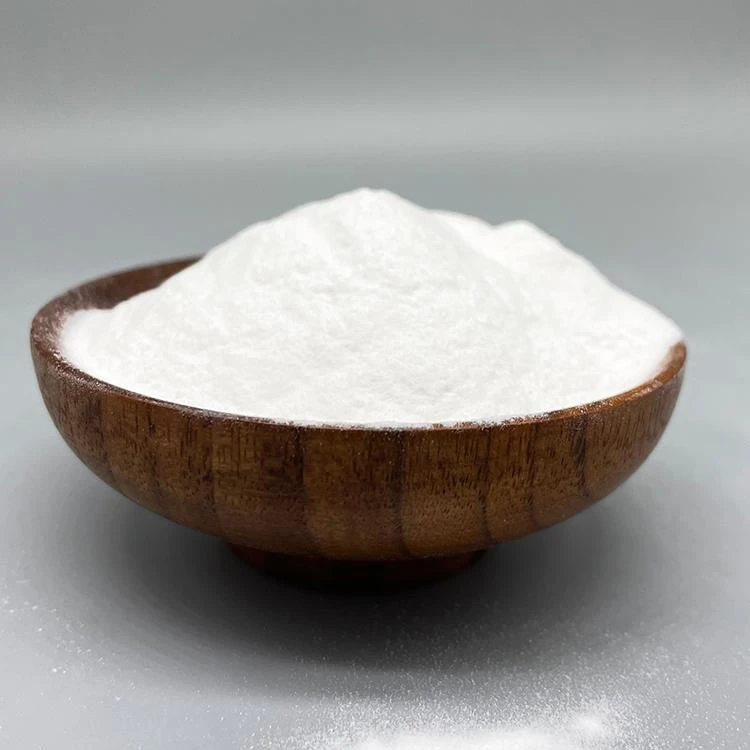
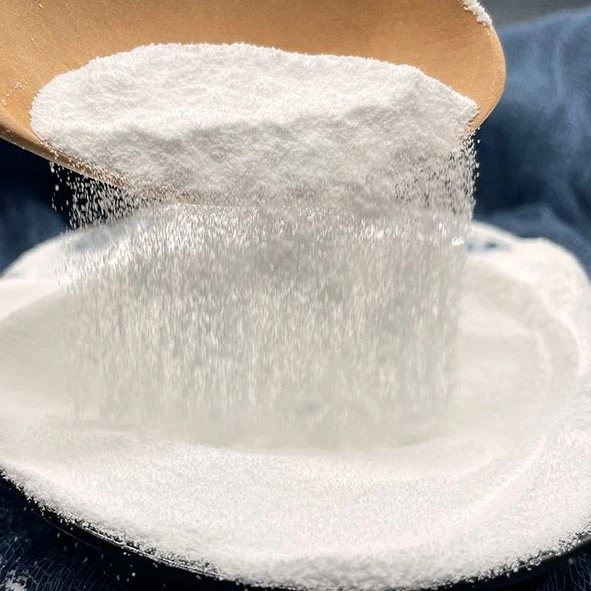
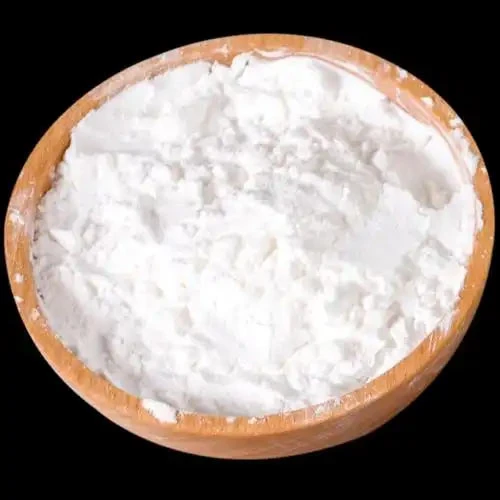
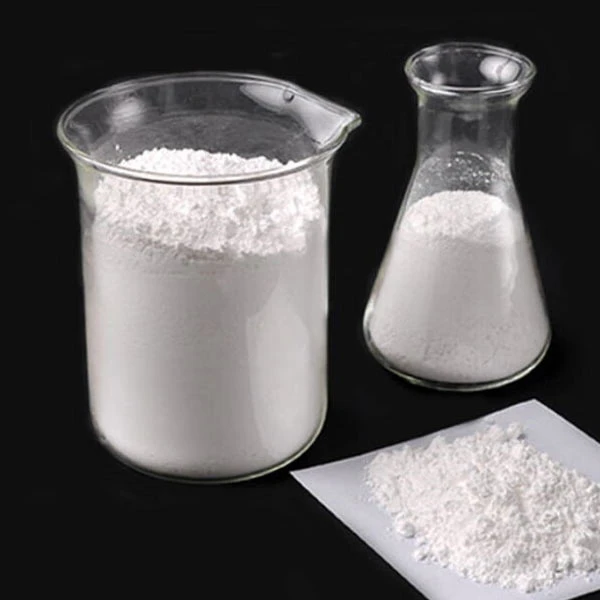
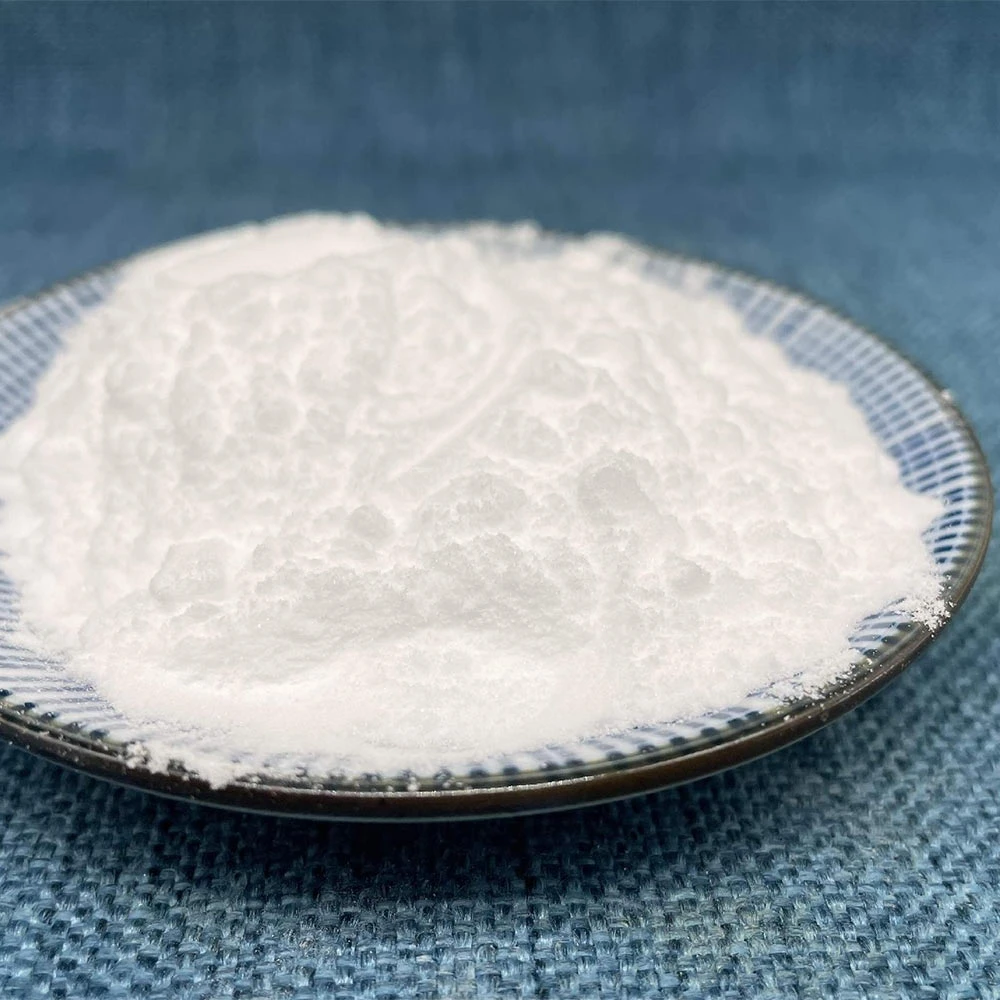
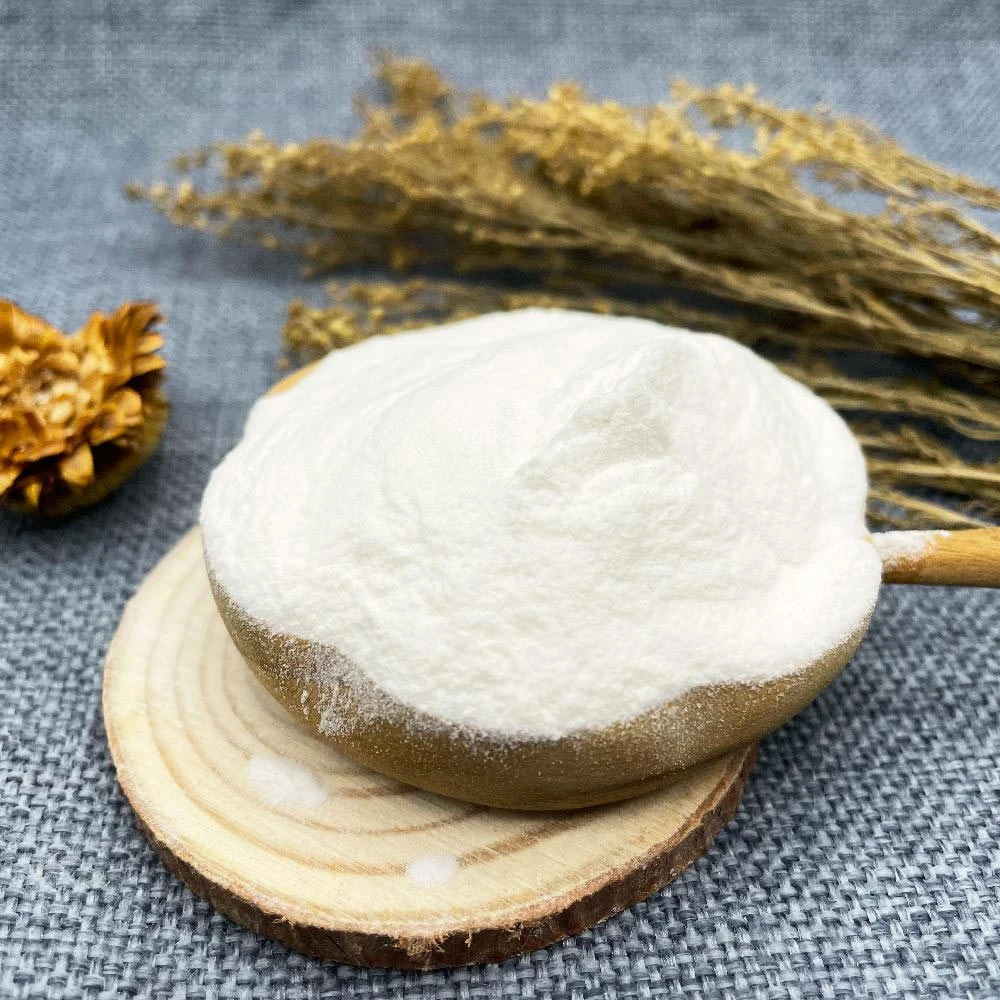
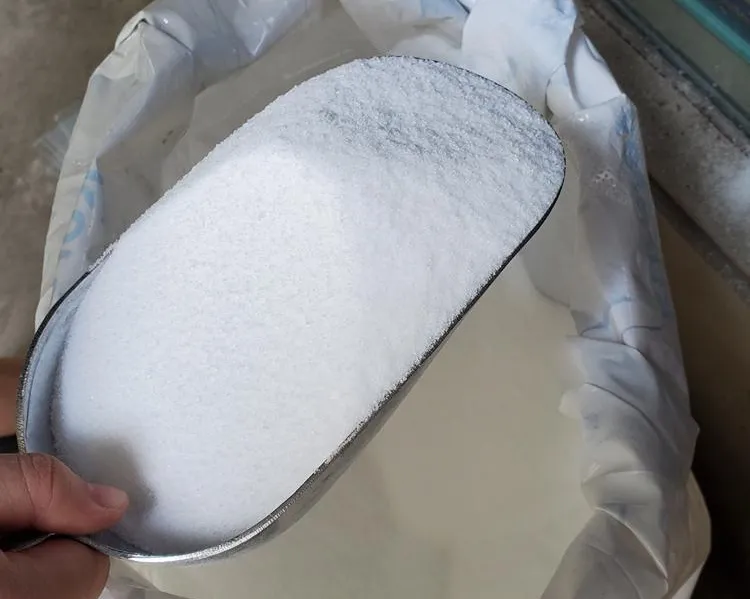
Most industrial users purchase polyvinyl alcohol powder, which can be dissolved in water to create solutions used in adhesives, coatings, and films. The powder form is easy to transport and store, making it convenient for large-scale manufacturing.
Once processed, the material can be converted into polyvinyl alcohol plastic, a flexible polymer used in a variety of products including films, capsules, and protective packaging.
PVA Plastic and PVOH Plastic Applications
The terms pva plastic and pvoh plastic are often used interchangeably to describe polyvinyl alcohol materials. These plastics are known for their strong film-forming ability, chemical resistance, and excellent bonding properties.
One well-known application is pva plastic bags, which are designed to dissolve in water. These bags are widely used in:
- Medical packaging
- Detergent packaging
- Agricultural chemical packaging
- Water-soluble laundry bags
Because these products dissolve after use, they can reduce environmental waste compared to traditional plastic packaging.
Polyvinyl Alcohol in the Textile Industry
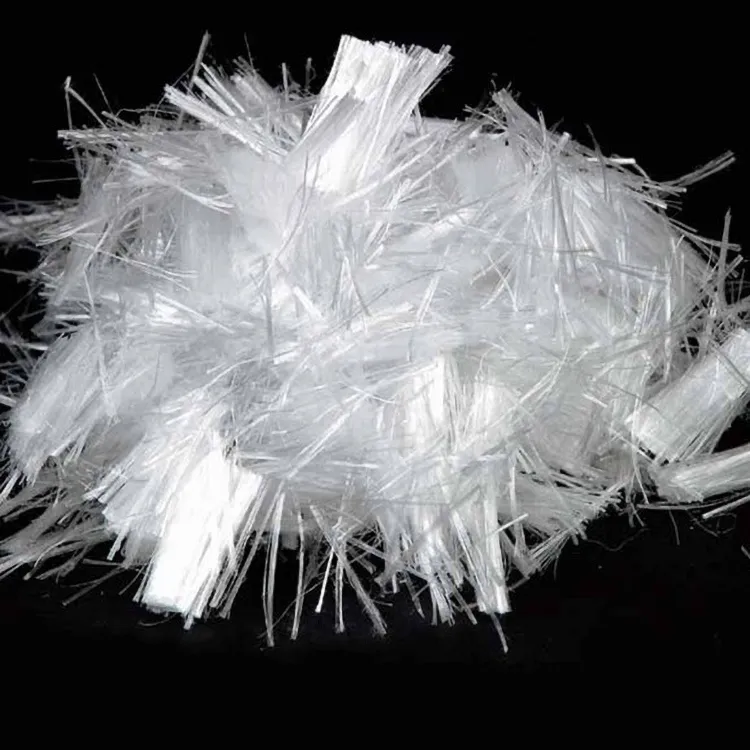
Polyvinyl alcohol is also widely used in fiber manufacturing. A polyvinyl alcohol fiber factory produces fibers that are used in textile reinforcement, construction materials, and specialty fabrics.
PVA fibers are valued for their:
High tensile strength
Resistance to chemicals
Excellent bonding with cement and concrete
In construction, PVA fibers are often added to cement to improve crack resistance and structural strength.
Polypropylene Fiber vs Polyvinyl Alcohol Fiber
While polypropylene fiber is also commonly used in industrial applications, it differs from PVA fiber in several ways.
Polypropylene fibers are lightweight, water-resistant, and widely used in geotextiles and construction reinforcement. However, PVA fibers often provide stronger bonding with cement-based materials.
Because of this, engineers sometimes choose PVA fibers over polypropylene fibers for high-performance concrete applications.
Market Demand and Pricing for Polyvinyl Alcohol
The global demand for polyvinyl alcohol continues to grow as industries seek sustainable and high-performance polymer materials.
Polyvinyl Alcohol for Sale in Global Markets
Suppliers around the world offer polyvinyl alcohol for sale in different grades and specifications. These grades vary depending on the level of polymerization, viscosity, and hydrolysis.
Common industries purchasing PVA include:
Textile manufacturing
Construction materials
Paper and packaging
Adhesive and coating production
Manufacturers typically choose the appropriate grade depending on the final application requirements.
Factors Affecting PVA Price
The pva price can vary depending on several factors, including:
Raw material costs
Production technology
Supply chain conditions
Market demand
Large industrial buyers often purchase PVA in bulk quantities to reduce cost per unit.
Because PVA is used in multiple industries, its market price may fluctuate based on global manufacturing activity and demand for polymer materials.
Is Polyvinyl Alcohol a Plastic?
A common question among manufacturers and consumers is is polyvinyl alcohol a plastic.
Technically, polyvinyl alcohol is classified as a synthetic polymer, which means it falls within the category of plastics. However, it has several unique properties that differentiate it from traditional plastics.
Unlike many petroleum-based plastics, PVA is water-soluble and can degrade under certain environmental conditions. This characteristic makes it attractive for environmentally friendly applications such as water-soluble packaging films.
Future Trends in PVA Materials
As industries focus on sustainability, PVA-based materials are becoming increasingly popular. Innovations in biodegradable packaging and eco-friendly manufacturing are driving the demand for PVA films and fibers.
At the same time, new production technologies are helping manufacturers reduce costs and improve product quality. As a result, the global market for polyvinyl alcohol continues to expand.
Polyvinyl alcohol is a versatile polymer that plays an important role in many industries. Available as polyvinyl alcohol powder, it can be processed into various materials including polyvinyl alcohol plastic, fibers, coatings, and films.
Applications such as pva plastic bags, specialty fibers from a polyvinyl alcohol fiber factory, and construction reinforcement materials demonstrate the flexibility of this polymer. When compared with alternatives like polypropylene fiber, PVA often offers superior bonding and structural performance in certain applications.
With increasing global demand and expanding eco-friendly applications, many companies are actively searching for polyvinyl alcohol for sale while monitoring changes in pva price. Understanding the properties of pva plastic, pvoh plastic, and related materials helps manufacturers select the most suitable polymer solutions.
As industries continue to explore sustainable materials, polyvinyl alcohol is expected to remain an important component in modern manufacturing and innovative product development.
FAQ About Polyvinyl Alcohol
1. What is polyvinyl alcohol powder used for?
Polyvinyl alcohol powder is widely used to produce adhesives, coatings, films, and fibers for industries such as textiles, construction, and packaging.
2. Is polyvinyl alcohol a plastic?
Yes, polyvinyl alcohol plastic is considered a synthetic polymer, but it is unique because it can dissolve in water and degrade under certain environmental conditions.
3. What are PVA plastic bags?
PVA plastic bags are water-soluble packaging materials commonly used for medical, agricultural, and detergent packaging applications.
4. What is the difference between polypropylene fiber and polyvinyl alcohol fiber?
Polypropylene fiber is lightweight and water-resistant, while polyvinyl alcohol fiber offers stronger bonding properties, especially when used in cement and concrete reinforcement.
5. What factors affect the PVA price?
The pva price depends on factors such as raw material costs, production technology, global demand, and the grade of polyvinyl alcohol being sold.
-
Industrial Guide to Cellosize Hydroxyethyl Cellulose ApplicationsNewsApr.16,2026
-
Industrial Applications and Benefits of nanofibrillar celluloseNewsApr.09,2026
-
Comprehensive Guide to Hydroxypropyl Methylcellulose and Its Diverse ApplicationsNewsApr.07,2026
-
Exploring Cellulose Based Packaging A Sustainable Choice for BusinessesNewsApr.04,2026
-
Comprehensive Guide to MHEC Chemical Properties and Industrial ApplicationsNewsMar.31,2026
-
Exploring Cellulose Packaging for Food A Sustainable and Renewable SolutionNewsMar.28,2026