Exploring Cellulose Foam Properties Applications and Sustainable Benefits
Cellulose Foam: A Comprehensive Guide to Properties and Applications
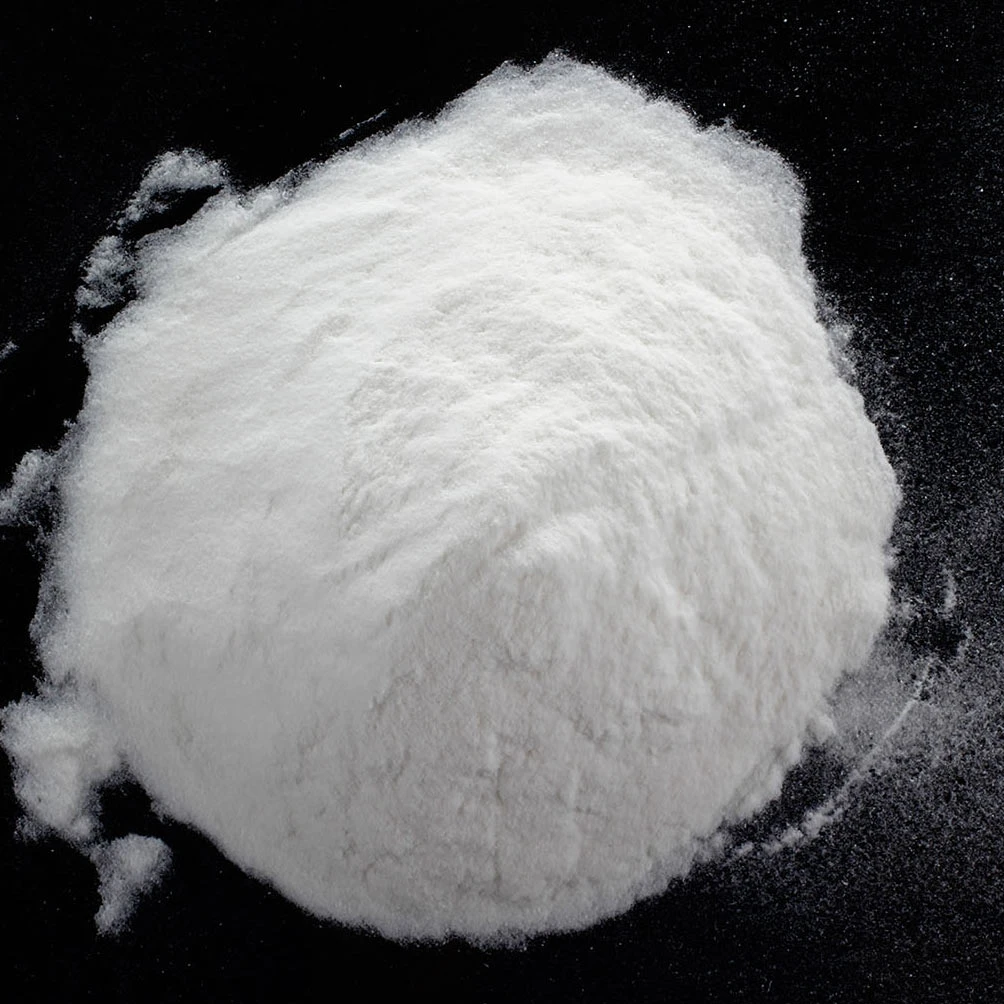
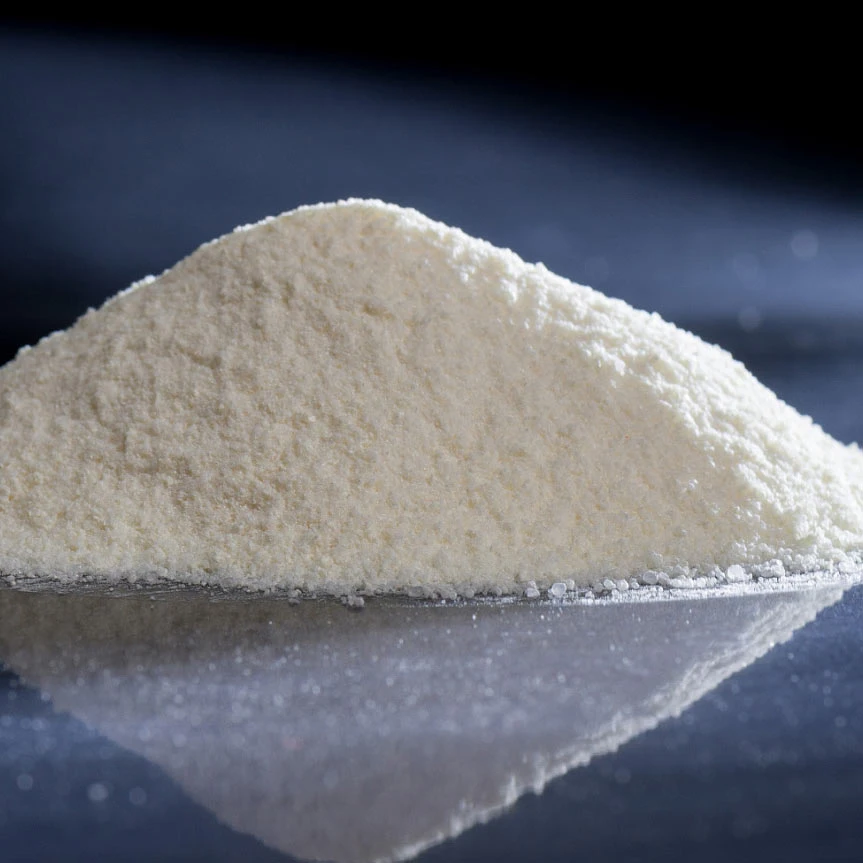
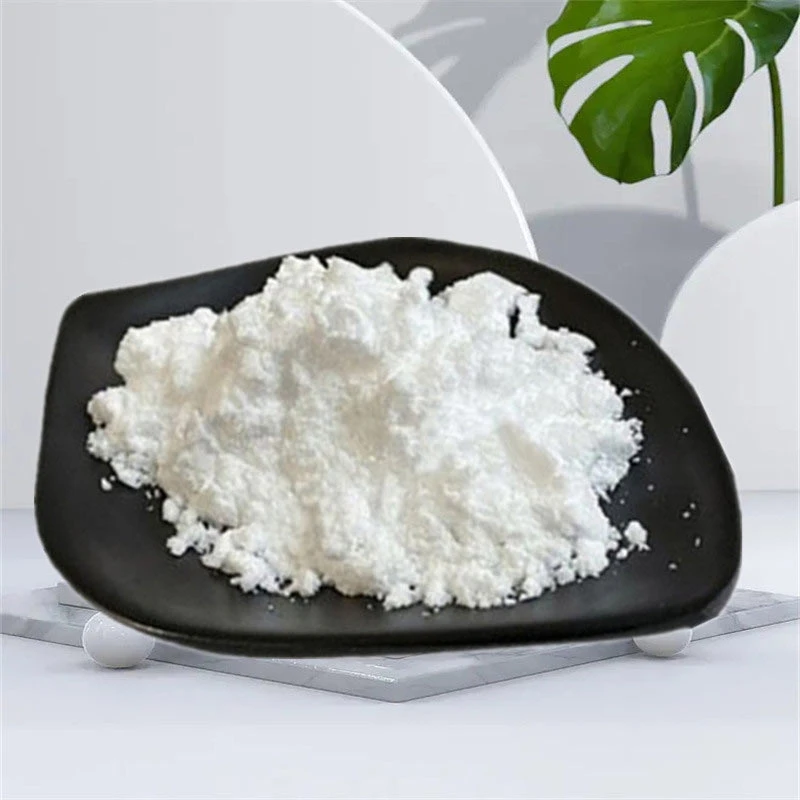
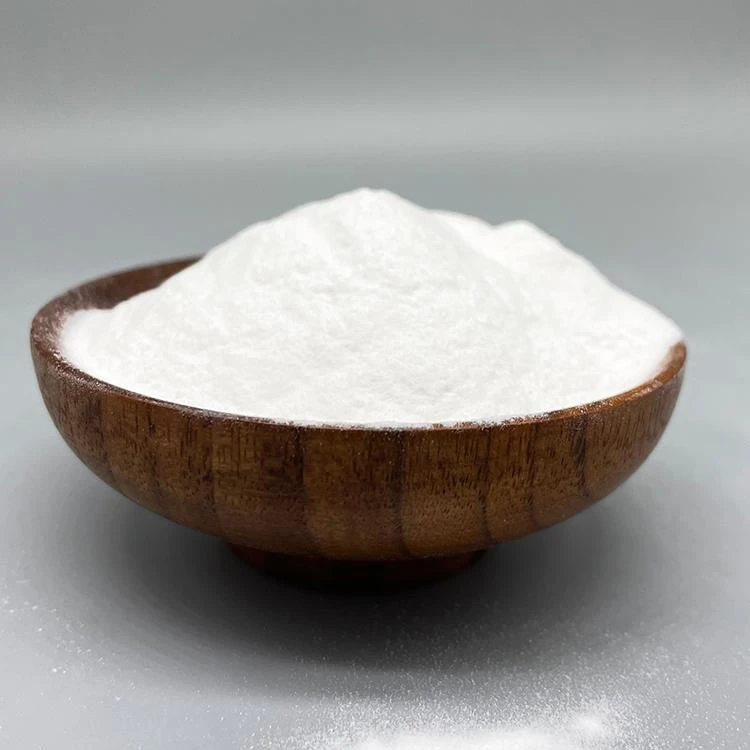
Cellulose foam is a versatile material gaining prominence in diverse industries due to its unique properties and sustainable sourcing. Derived from plant-based cellulose, it offers an eco-friendly alternative to traditional foam materials. This article provides an in-depth look at cellulose foam, exploring its characteristics, manufacturing processes, applications, and benefits. Whether you're seeking sustainable packaging solutions or innovative materials for construction, understanding cellulose foam is crucial. You can explore a wide range of powder materials including cellulose-based solutions at HPMC Powder.

What is Cellulose Foam?
Cellulose foam is a lightweight, porous material produced from cellulose fibers. These fibers can be sourced from wood pulp, cotton, or other plant-based materials, making it a renewable and biodegradable option. Unlike petroleum-based foams, cellulose foam boasts a lower carbon footprint, aligning with growing demands for eco-conscious materials. Its inherent properties, such as good thermal and acoustic insulation, make it suitable for a wide array of applications. The specific properties of cellulose foam can be tailored by adjusting the manufacturing process and incorporating additives.
Key Highlights: A renewable, biodegradable, and lightweight material with excellent thermal and acoustic insulation properties. Its versatility allows for customization through various manufacturing techniques and additives.
Manufacturing Processes of Cellulose Foam
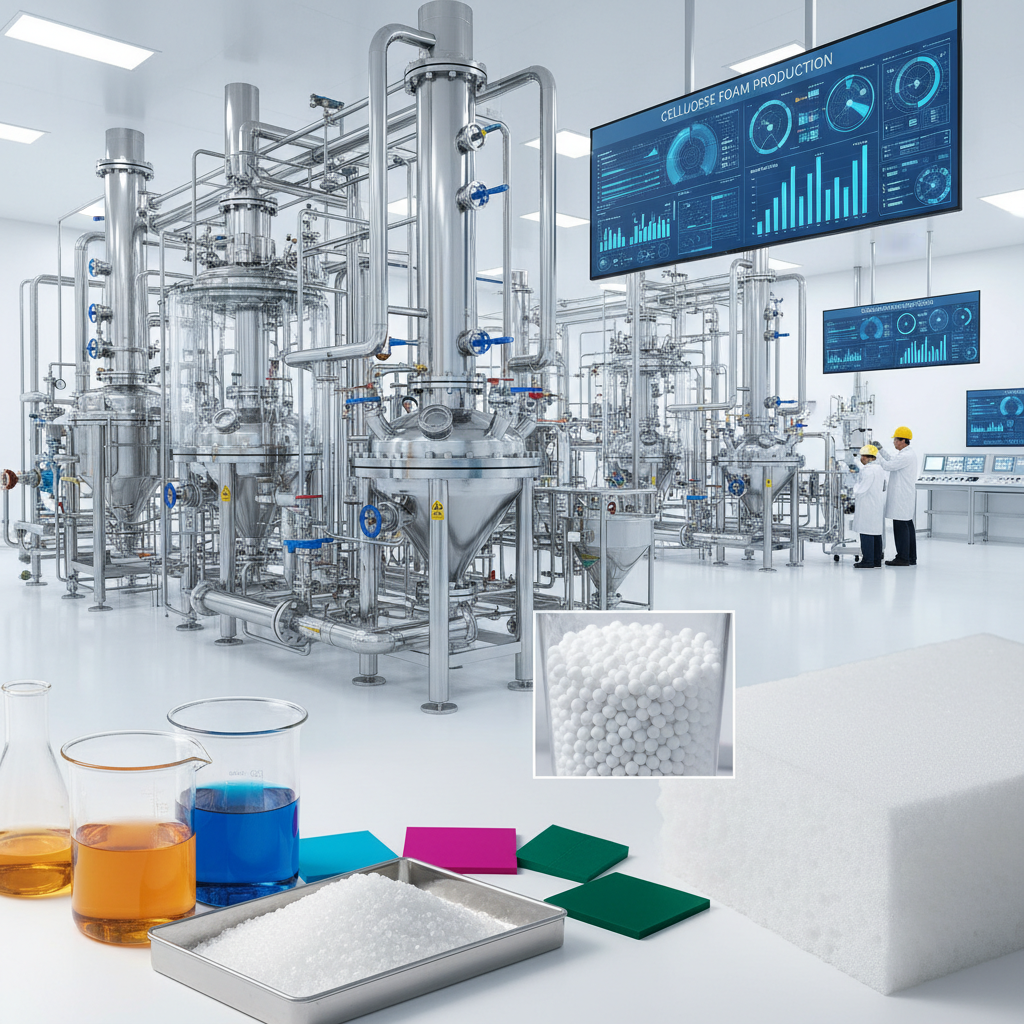
Several methods are employed to create cellulose foam, each yielding different properties and characteristics. These include:
- Foam Blowing: A blowing agent is introduced into a cellulose slurry, creating bubbles that expand into a foam structure.
- Freeze Drying: Water is removed from a cellulose solution through sublimation, leaving behind a porous foam matrix.
- Solvent Casting: A cellulose solution is cast onto a surface and allowed to evaporate, forming a foam structure.
- Extrusion Foaming: Cellulose is combined with a blowing agent and extruded to create a foamed material.
The choice of method impacts the foam’s density, pore size, and mechanical strength. Researchers continually refine these processes to improve efficiency and optimize foam properties for specific applications.
Cellulose Foam Applications Across Industries
The applications of cellulose foam are remarkably diverse, spanning numerous industries. Some prominent examples include:
- Packaging: Protective packaging for fragile goods, offering a sustainable alternative to polystyrene.
- Construction: Thermal and acoustic insulation in buildings, contributing to energy efficiency.
- Automotive: Interior components for sound dampening and lightweighting.
- Medical: Wound dressings and drug delivery systems due to its biocompatibility.
- Agriculture: Seedling starters and soil amendments for improved plant growth.
As awareness of sustainability grows, the demand for cellulose foam in these and emerging applications is expected to increase significantly.
Key Benefits of Using Cellulose Foam:
• Renewable and Sustainable
• Biodegradable and Compostable
• Excellent Thermal and Acoustic Insulation
• Lightweight and Durable
Cellulose Foam vs. Traditional Foams: A Comparison
Compared to traditional petroleum-based foams like polystyrene and polyurethane, cellulose foam offers several advantages in terms of environmental impact and sustainability. However, it’s important to understand the differences in properties and performance. The table below highlights a comparison:
Future Trends and Innovations in Cellulose Foam
Research and development efforts are continuously expanding the potential of cellulose foam. Current trends include:
- Nanocellulose Integration: Incorporating nanocellulose for enhanced mechanical properties and barrier performance.
- Bio-Based Additives: Utilizing renewable additives to further reduce the environmental impact.
- 3D Printing: Developing 3D printing techniques to create complex cellulose foam structures.
These advancements promise to unlock even more applications for this versatile material, driving its adoption across various industries.
Conclusion: The Future is Foam – and it’s Cellulose
Cellulose foam represents a significant step towards sustainable material solutions. Its renewable sourcing, biodegradability, and versatile properties make it an attractive alternative to traditional foams. As research continues to refine manufacturing processes and explore new applications, cellulose foam is poised to play an increasingly important role in a wide range of industries. Explore innovative powder materials like HPMC at HPMC Powder.
Frequently Asked Questions (FAQs)
What are the environmental benefits of using cellulose foam?
Cellulose foam offers significant environmental advantages over traditional petroleum-based foams. Primarily, it's derived from renewable cellulose sources, reducing reliance on fossil fuels. It's also biodegradable and compostable, minimizing landfill waste. The manufacturing process generally requires less energy and produces fewer greenhouse gas emissions compared to the production of polystyrene or polyurethane foam. Furthermore, using cellulose foam supports sustainable forestry practices when sourced responsibly.
Is cellulose foam suitable for food packaging?
Yes, certain grades of cellulose foam are suitable for food packaging, particularly as a protective cushioning material. However, it's crucial to ensure the foam meets relevant food safety regulations and is free from harmful chemicals. Cellulose foam's biodegradability also makes it an appealing option for reducing plastic waste in the food packaging industry. It's important to check specific product certifications and compliance standards before using cellulose foam for food contact applications.
How does the cost of cellulose foam compare to other foam materials?
The cost of cellulose foam can vary depending on the manufacturing process, density, and volume purchased. Generally, it's moderately priced, often slightly higher than polystyrene but comparable to or lower than some specialty polyurethane foams. However, the increasing demand for sustainable materials and advancements in production technology are driving down the cost of cellulose foam, making it increasingly competitive in the market. The long-term benefits, including reduced environmental impact and potential for composting, can also offset the initial cost.
-
Industrial Guide to Cellosize Hydroxyethyl Cellulose ApplicationsNewsApr.16,2026
-
Industrial Applications and Benefits of nanofibrillar celluloseNewsApr.09,2026
-
Comprehensive Guide to Hydroxypropyl Methylcellulose and Its Diverse ApplicationsNewsApr.07,2026
-
Exploring Cellulose Based Packaging A Sustainable Choice for BusinessesNewsApr.04,2026
-
Comprehensive Guide to MHEC Chemical Properties and Industrial ApplicationsNewsMar.31,2026
-
Exploring Cellulose Packaging for Food A Sustainable and Renewable SolutionNewsMar.28,2026