Hec Chemical A Comprehensive Guide to Properties Applications and Global Trade
Hec Chemical: A Comprehensive Overview for Global Trade
Hydroxyethyl cellulose (HEC) is a versatile, water-soluble polymer widely used across diverse industries like construction, pharmaceuticals, personal care, and oil drilling. Its thickening, binding, film-forming, and stabilizing properties make it an invaluable ingredient. This article provides an in-depth look at HEC chemical, its applications, benefits, and sourcing options, particularly focusing on international trade considerations. Understanding HEC's properties and reliable suppliers, like HPMC Powder, is crucial for businesses involved in global sourcing and product development.
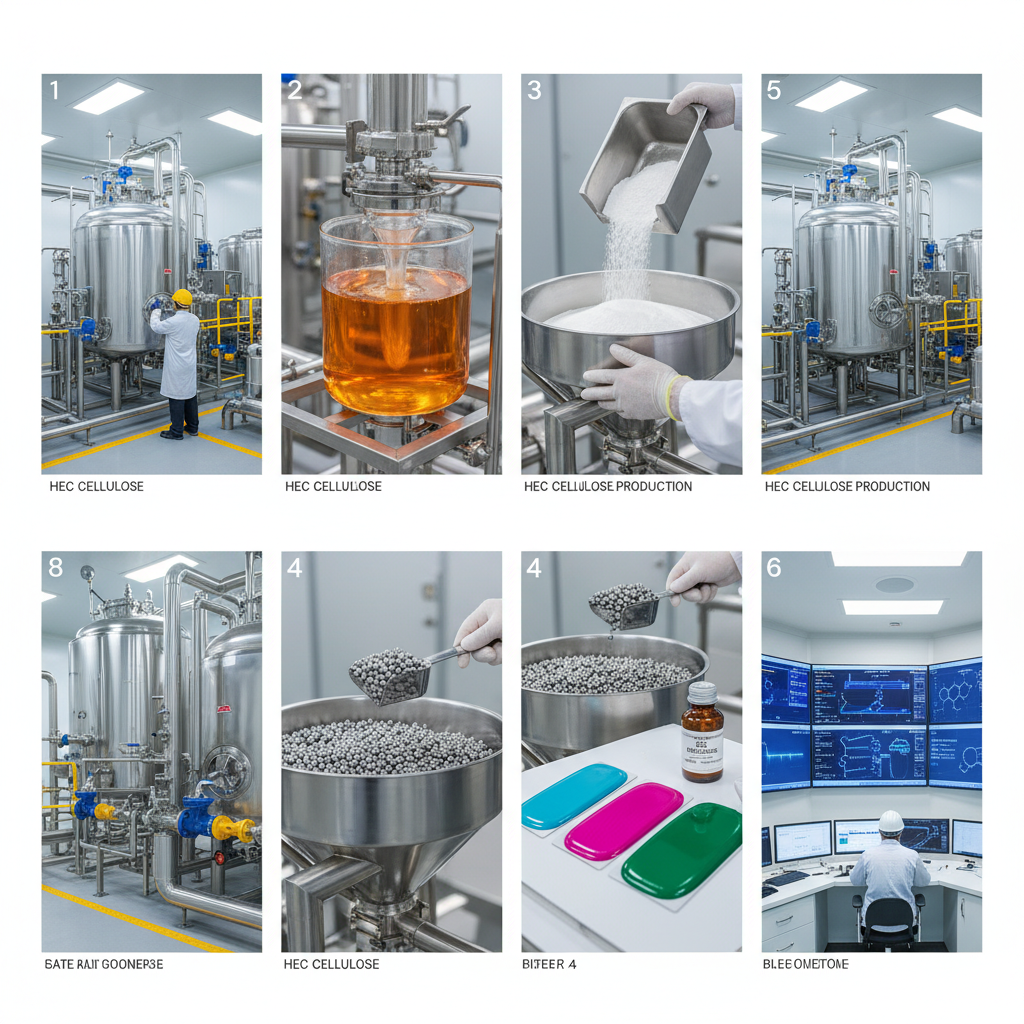
Understanding HEC Chemical: Properties and Characteristics
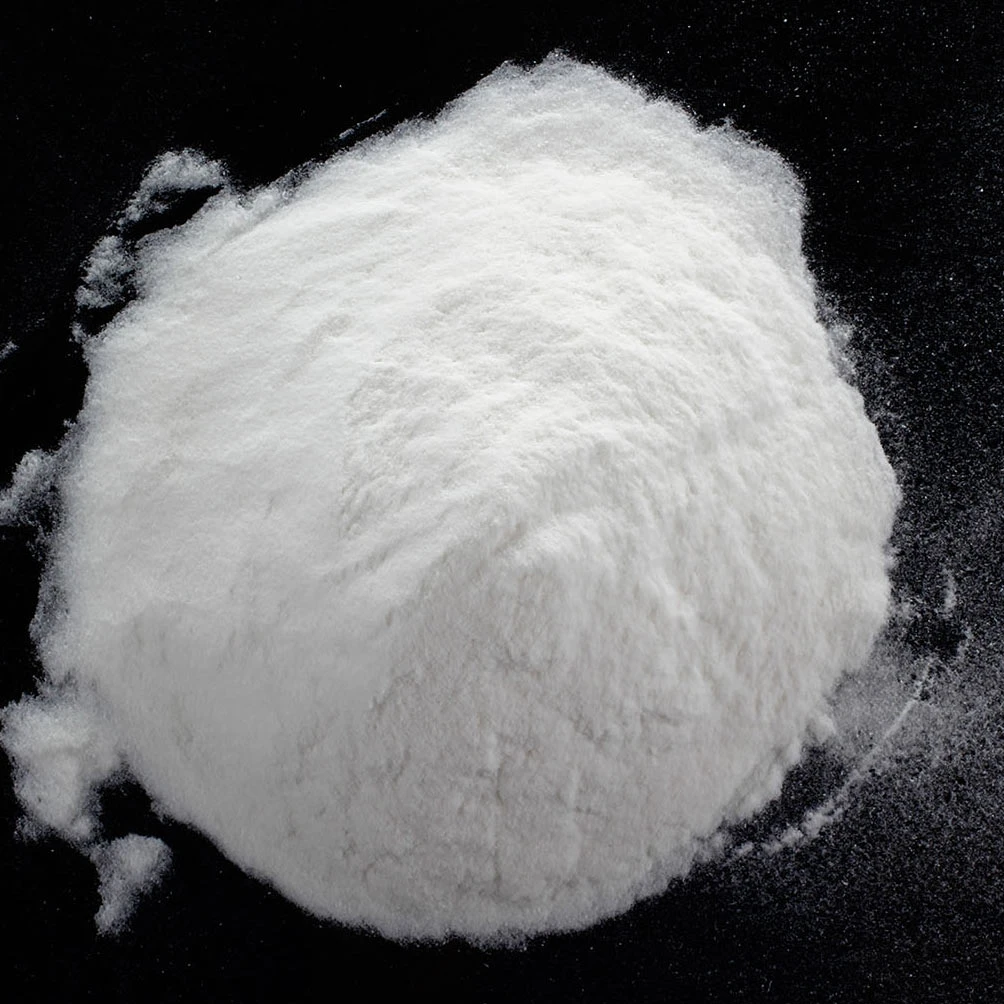
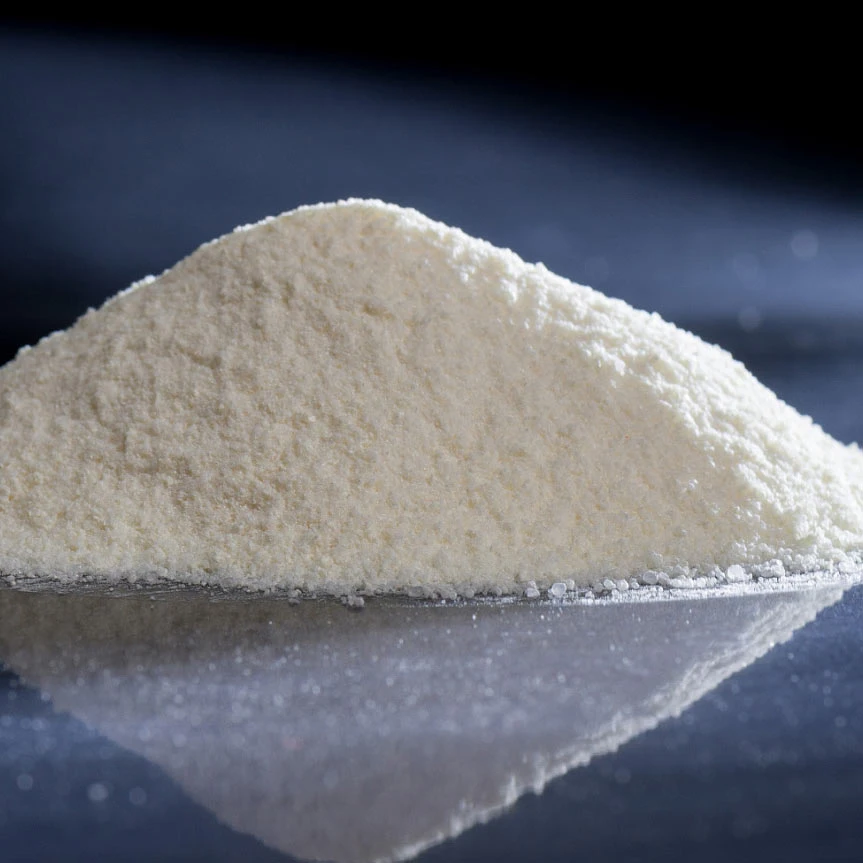
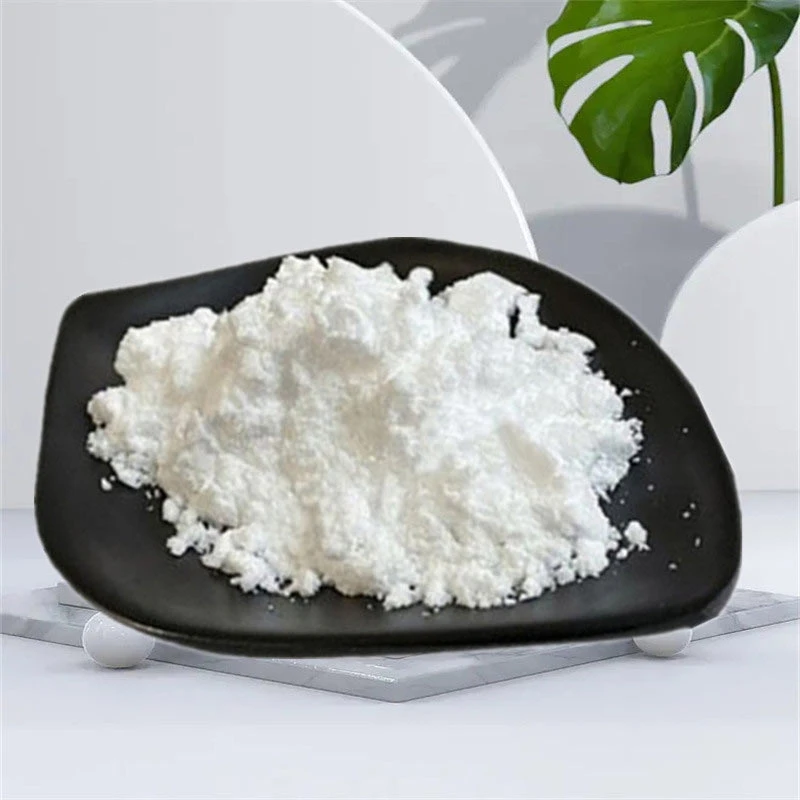
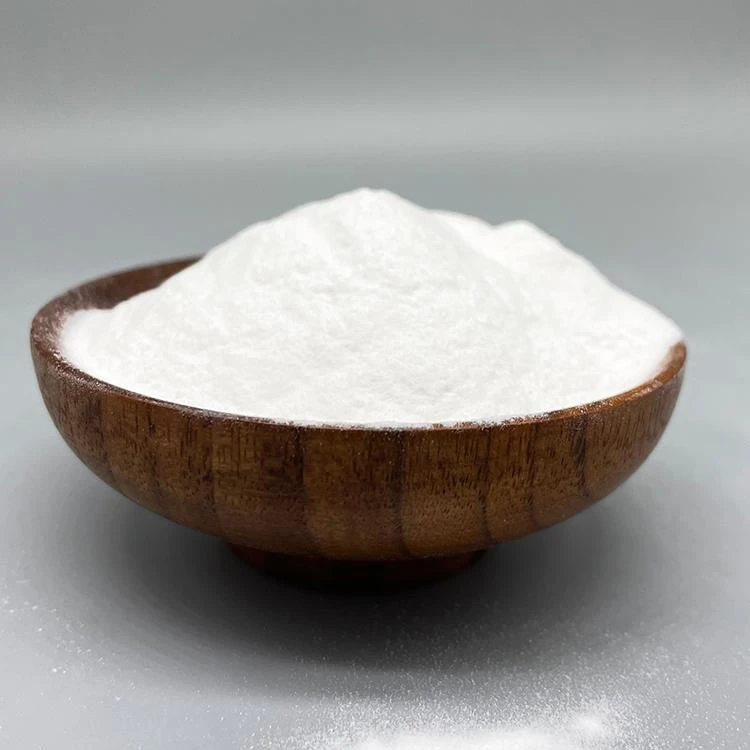
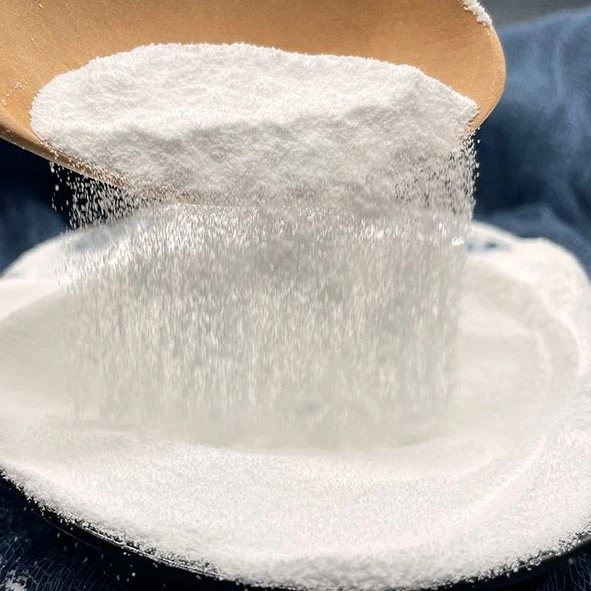
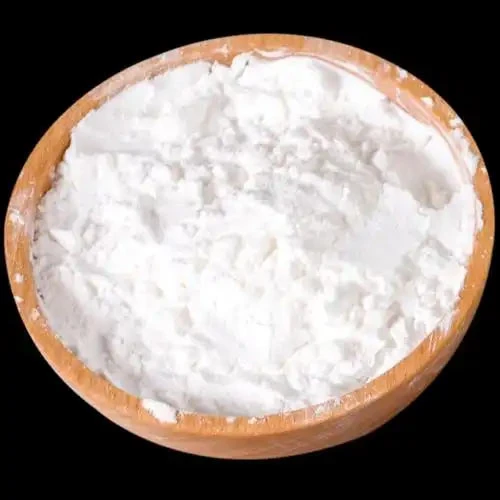
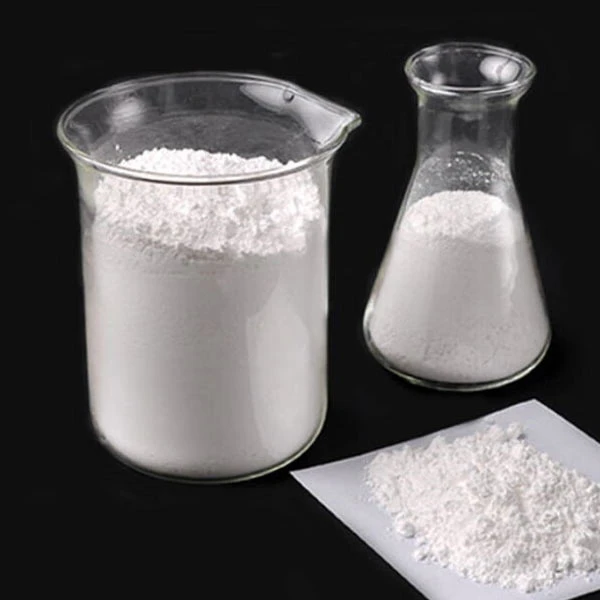
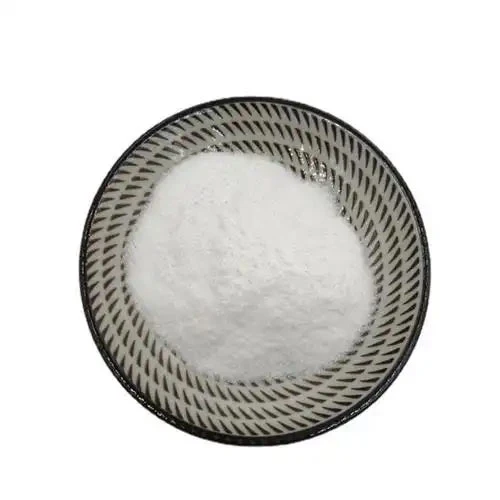
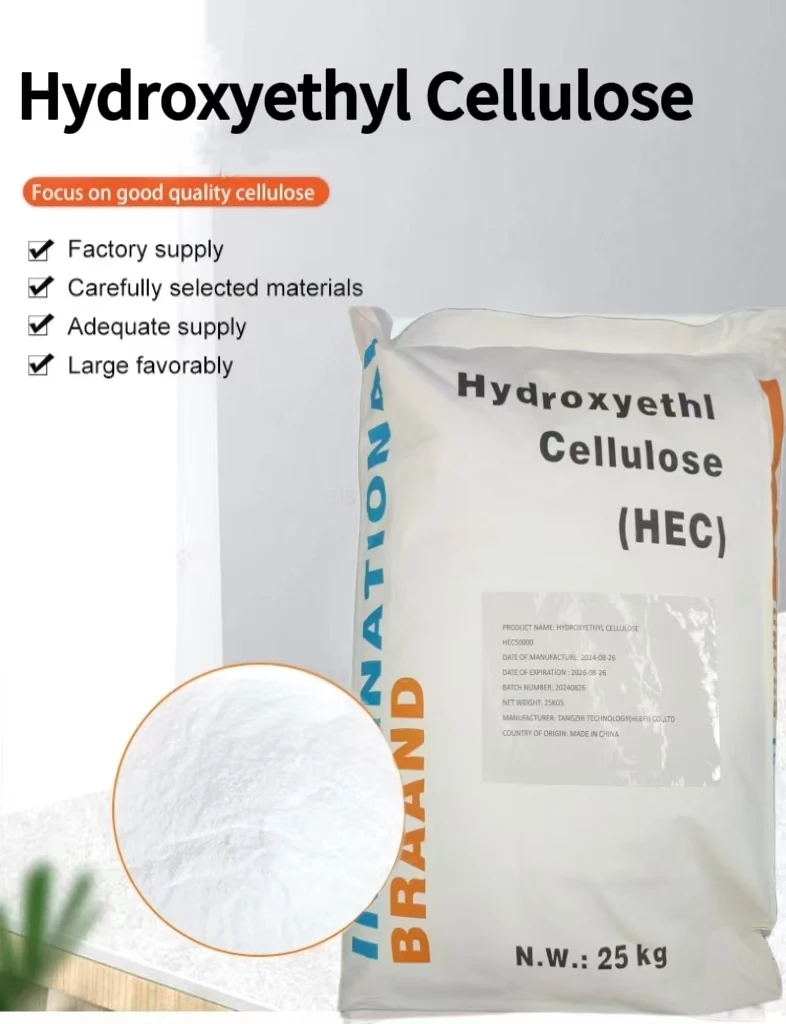
Hec chemical, also known as hydroxyethyl cellulose, is a non-ionic ether cellulose. It’s derived from cellulose, a natural polymer found in plant cell walls. Through a chemical modification process, cellulose reacts with ethylene oxide to create HEC. This modification imparts water solubility and unique rheological properties. The key characteristics of HEC include its ability to increase viscosity, improve water retention, enhance stability in formulations, and create a smooth texture. These characteristics are controlled by factors like the degree of substitution and molecular weight. Different grades of HEC are available, each tailored to specific applications. Sourcing high-quality HEC from a reliable supplier like HPMC Powder is vital to ensure consistent performance.
Key Highlights: HEC is a non-ionic, water-soluble polymer derived from cellulose, offering thickening, binding, and stabilizing properties.
Applications of HEC Chemical Across Industries
The versatility of Hec chemical lends itself to a wide array of applications. In the construction industry, it's used in cement-based materials, tile adhesives, and joint compounds to improve workability, water retention, and adhesion. Pharmaceutical applications include tablet coatings, suspensions, and topical formulations where it acts as a binder and viscosity enhancer. In personal care products, HEC is found in shampoos, lotions, and toothpastes, providing thickening and stabilizing properties. The oil and gas industry utilizes HEC in drilling fluids to control viscosity and prevent fluid loss. The demand for HEC continues to grow as new applications are discovered, making it a significant commodity in global trade. Partnering with a knowledgeable supplier like HPMC Powder can ensure access to the appropriate HEC grade for your specific application.
Application Areas:
• Construction: Cement, adhesives, joint compounds
• Pharmaceuticals: Tablet coatings, suspensions
• Personal Care: Shampoos, lotions, toothpaste
• Oil & Gas: Drilling fluids
Hec Chemical Grades and Specifications
Hec chemical is available in various grades, categorized by viscosity, substitution degree, and molecular weight. Viscosity, measured in centipoise (cP), determines the thickening power of the HEC. The degree of substitution (DS) influences its water solubility and performance. Molecular weight affects the solution's properties and stability. Here’s a general overview of common HEC grades:
Global Trade Considerations for HEC Chemical
Importing and exporting Hec chemical requires careful attention to regulatory compliance, logistics, and quality control. Different countries have varying regulations regarding chemical imports, including labeling requirements, safety data sheets (SDS), and import permits. Understanding these regulations is crucial to avoid delays and penalties. Shipping HEC typically involves bulk packaging in 25kg bags or larger containers. Proper storage and handling are essential to prevent moisture absorption and maintain product quality. Selecting a supplier with experience in international trade, such as HPMC Powder, can streamline the process and ensure a smooth transaction.
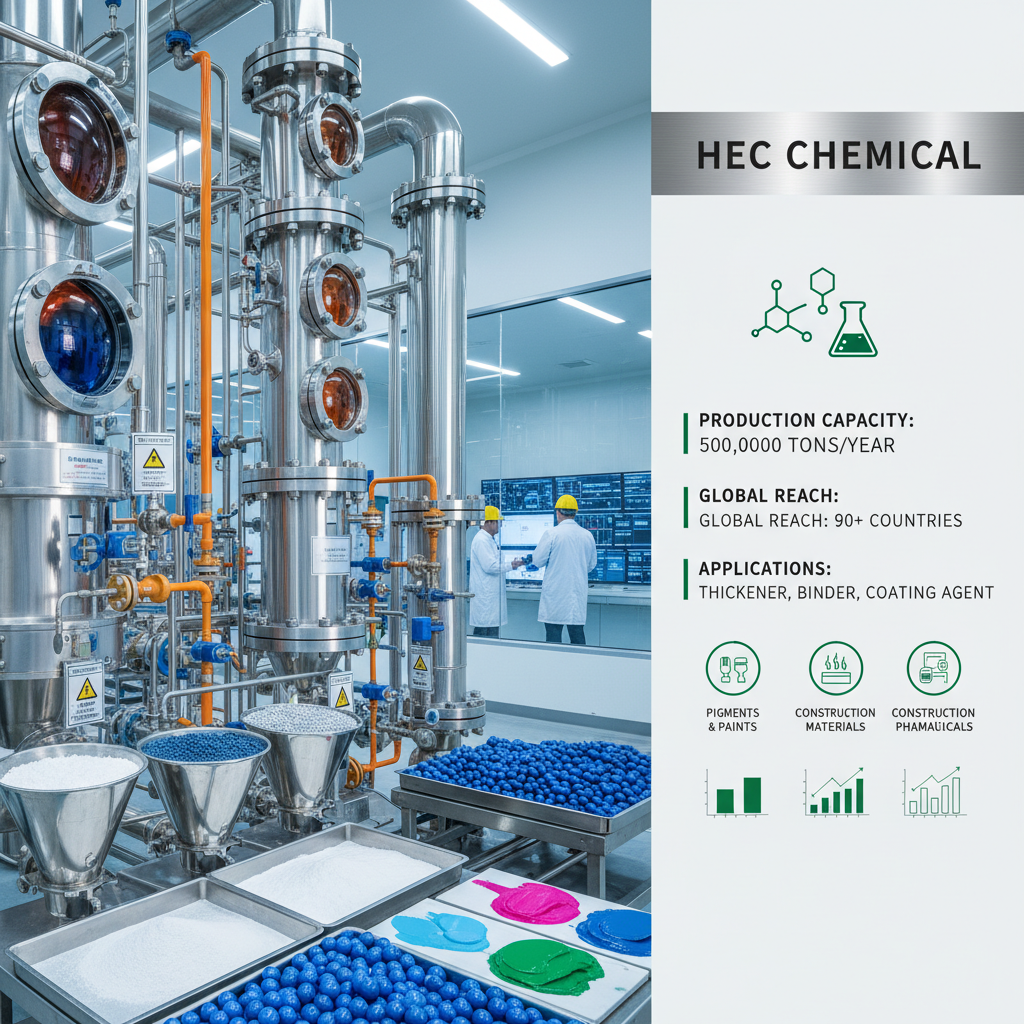
Choosing a Reliable HEC Supplier: Key Factors
Selecting the right HEC supplier is paramount for ensuring product quality, consistency, and reliable supply. Key factors to consider include the supplier’s manufacturing capabilities, quality control processes, certifications (e.g., ISO 9001), and experience in international trade. Look for a supplier that offers comprehensive technical support, including product data sheets, SDS, and application guidance. Competitive pricing is important, but shouldn’t be the sole deciding factor. A trustworthy supplier, like HPMC Powder, will prioritize quality, consistency, and customer satisfaction.
Conclusion: The Future of HEC in Global Markets
Hec chemical remains a vital ingredient across numerous industries, with growing demand driven by its versatility and performance. Successful participation in the global HEC market requires a thorough understanding of its properties, applications, and trade considerations. Partnering with a reputable supplier like HPMC Powder is crucial for ensuring consistent quality, reliable supply, and expert support.
Frequently Asked Questions (FAQs)
What is the shelf life of HEC chemical?
When stored properly in a cool, dry place away from direct sunlight and moisture, HEC chemical typically has a shelf life of 2-3 years. However, it's essential to periodically check the product for any signs of degradation, such as clumping or changes in viscosity. Following the supplier’s storage recommendations is crucial. The packaging should be tightly sealed to prevent moisture absorption, which can affect its performance.
What are the typical packaging options for HEC chemical?
Hec chemical is commonly packaged in 25 kg multi-layer paper bags with an inner polyethylene liner to protect against moisture. Larger quantities can be supplied in bulk bags (FIBCs) holding 500kg or 1000kg. The choice of packaging depends on the volume required and the shipping method. Proper packaging is crucial to maintain product integrity during transport and storage.
What safety precautions should be taken when handling HEC chemical?
While HEC chemical is generally considered non-toxic, it's important to follow standard safety precautions when handling it. Avoid inhaling the dust, as it may cause respiratory irritation. Wear appropriate personal protective equipment (PPE), such as gloves, safety glasses, and a dust mask. Ensure adequate ventilation in the work area. Refer to the Safety Data Sheet (SDS) for detailed safety information and handling instructions.
Are there any sustainable alternatives to HEC?
Research is ongoing to develop more sustainable alternatives to cellulose-based polymers like HEC. Some options include using cellulose sourced from more sustainable forestry practices or exploring alternative biopolymers derived from algae or other renewable resources. However, these alternatives are often more expensive or don't yet offer the same performance characteristics as HEC.
-
Industrial Guide to Cellosize Hydroxyethyl Cellulose ApplicationsNewsApr.16,2026
-
Industrial Applications and Benefits of nanofibrillar celluloseNewsApr.09,2026
-
Comprehensive Guide to Hydroxypropyl Methylcellulose and Its Diverse ApplicationsNewsApr.07,2026
-
Exploring Cellulose Based Packaging A Sustainable Choice for BusinessesNewsApr.04,2026
-
Comprehensive Guide to MHEC Chemical Properties and Industrial ApplicationsNewsMar.31,2026
-
Exploring Cellulose Packaging for Food A Sustainable and Renewable SolutionNewsMar.28,2026