Gypsum Retarders and Accelerators: Enhancing Plaster Performance with Additives
Gypsum-based materials are widely used in construction for plastering, wall finishes, and decorative applications. The performance of gypsum depends not only on its composition but also on the use of gypsum additives that modify setting time, workability, and durability. Two critical categories of additives are gypsum retarders and gypsum accelerators, which allow contractors to tailor gypsum products for specific applications.
Understanding whether gypsum is accelerator or retarder, the role of retarders in gypsum products, and specialized additives like cream of tartar plaster retarder or extra time plaster retarder is essential for achieving high-quality finishes and efficient construction workflows.
Understanding Gypsum Retarders and Their Applications
What Is a Gypsum Retarder?
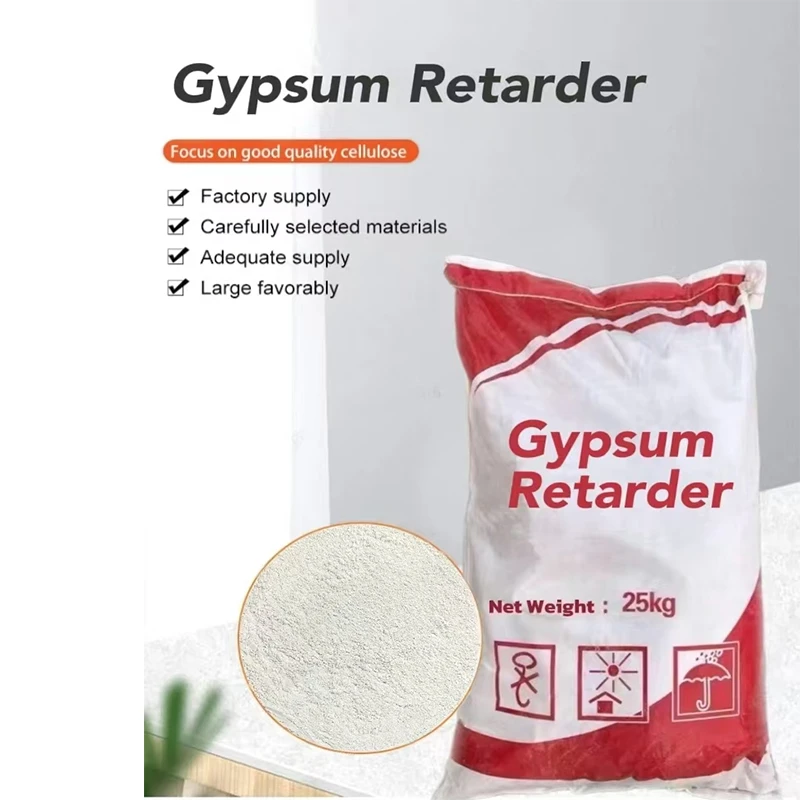
A gypsum retarder is a chemical additive that slows down the setting process of gypsum plaster. This gives workers more time to apply, level, and smooth plaster without premature hardening. Common types include plaster retarder, easy mix plaster retarder, and extra time plaster additive.
Key benefits of using retarders in gypsum products include:
- Extended working time for large-scale projects
- Improved surface finish with fewer cracks or imperfections
- Enhanced compatibility with decorative coatings
For example, a cream of tartar plaster retarder is often used to extend the setting time while maintaining the strength and finish of gypsum plaster. Similarly, extra time plaster retarder or extratime plaster retarder products provide contractors with flexibility in scheduling and application.
How Gypsum Retarders Work
Gypsum plaster sets through the hydration of calcium sulfate hemihydrate to form dihydrate crystals. Gypsum retarder chemical additives interfere with crystal growth, slowing down the reaction without compromising the final hardness. This is particularly useful in easy mix plaster retarder formulations, which allow pre-mixed plaster to remain workable for longer periods.
Retarders in gypsum products can be natural, like cream of tartar, or synthetic chemical compounds designed for consistent performance in industrial applications.
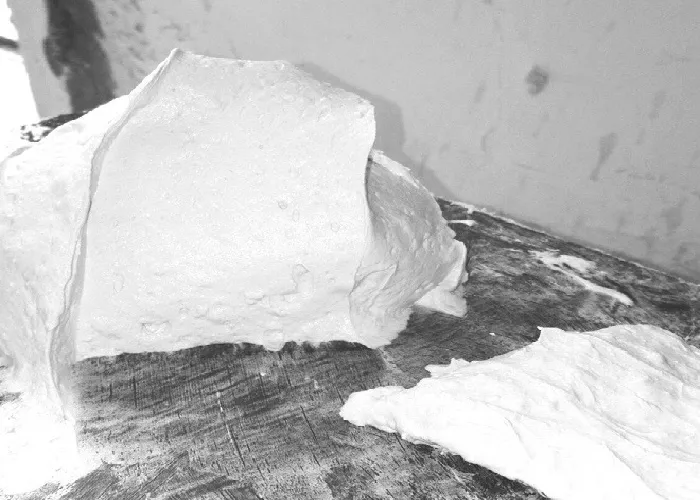
Gypsum Accelerators: Speeding Up Setting Time
While retarders slow down gypsum plaster, gypsum accelerator additives are designed to do the opposite: accelerate the setting process. They are commonly referred to as gypsum plaster accelerator or simply accelerators in gypsum.
Applications of Gypsum Accelerators
Accelerators are particularly useful in projects where:
Fast-setting plaster is required to reduce downtime
Quick repairs or patching is needed
Low-temperature conditions may slow natural gypsum hydration
By adding a gypsum accelerator, the setting time is shortened, allowing faster application of subsequent layers, painting, or finishing.
Gypsum: Retarder or Accelerator?
One common question in the construction industry is: gypsum is retarder or accelerator? The answer depends on the formulation. Pure gypsum without additives has a natural setting rate. By adding gypsum retarder chemical, you slow the process, whereas adding a gypsum plaster accelerator speeds it up. Some commercial products may contain both retarders and accelerators in a controlled ratio to achieve specific setting characteristics.
Choosing the Right Plaster Retarder or Accelerator
When selecting retarders in gypsum products or accelerators, consider the following:
Project Size and Complexity
For large walls or intricate decorative finishes, using an extra time plaster retarder ensures the plaster remains workable throughout application.
Ambient Conditions
Temperature and humidity affect gypsum setting. Gypsum plaster accelerator may be necessary in cold climates, while easy mix plaster retarder is ideal for hot conditions that can cause premature setting.
Desired Finish
For smooth, crack-free surfaces, using a cream of tartar plaster retarder or extra time plaster additive provides uniform hydration and reduces surface imperfections.
Mixing and Automation
Pre-mixed plasters or automated mixing systems benefit from gypsum retarder chemical additives to maintain consistency during transport and application.
Popular Types of Gypsum Retarders
1. Cream of Tartar Plaster Retarder
Derived from tartaric acid, this natural additive is ideal for extending working time while keeping the plaster strong and easy to sand or paint.
2. Easy Mix Plaster Retarder
Formulated for ready-mix gypsum products, this easy mix plaster retarder ensures the mixture remains workable for an extended period without separation or settling.
3. Extra Time Plaster Retarder / Extratime Plaster Retarder
These additives, often labeled as extra time plaster retarder or extratime plaster retarder, are designed for large-scale projects, allowing extended application windows while maintaining uniform hydration and surface finish.
Gypsum additives, including gypsum retarders and gypsum accelerators, are essential for controlling the setting time and performance of gypsum plaster. Understanding whether gypsum is retarder or accelerator is crucial for selecting the appropriate product for a specific application.
Plaster retarders, such as cream of tartar plaster retarder, easy mix plaster retarder, and extra time plaster additive, extend working time, improve surface quality, and enhance ease of application. Conversely, gypsum plaster accelerators speed up setting for rapid repairs or low-temperature applications.
By choosing the right additive and balancing retarders and accelerators, contractors can achieve smooth, durable finishes, optimize workflow, and reduce construction time. Whether for decorative plaster, wall finishing, or industrial applications, retarders in gypsum products provide flexibility and quality control in modern construction.
FAQ: Gypsum Retarders and Accelerators
1. What Is a Gypsum Retarder and How Does It Work?
A gypsum retarder is a chemical additive that slows down the setting time of plaster. Gypsum retarder chemical interferes with crystal growth during hydration, allowing longer working time for smooth and even application.
2. What Are Common Retarders in Gypsum Products?
Common retarders in gypsum products include cream of tartar plaster retarder, easy mix plaster retarder, and extra time plaster retarder. They extend working time and improve surface finish.
3. Is Gypsum a Retarder or Accelerator?
Gypsum is retarder or accelerator? Pure gypsum has a natural setting rate. Adding a gypsum plaster accelerator speeds up the process, while adding a gypsum retarder chemical slows it down.
4. What Is an Extra Time Plaster Retarder?
An extra time plaster retarder (or extratime plaster retarder) is a specialized additive that allows gypsum plaster to remain workable for extended periods, ideal for large-scale or complex plastering projects.
5. How Does Gypsum Accelerator Differ from a Retarder?
A gypsum accelerator speeds up the setting process, making plaster ready for finishing sooner, while a plaster retarder slows down the setting time, allowing more flexibility for application and smoothing of surfaces.
-
Industrial Guide to Cellosize Hydroxyethyl Cellulose ApplicationsNewsApr.16,2026
-
Industrial Applications and Benefits of nanofibrillar celluloseNewsApr.09,2026
-
Comprehensive Guide to Hydroxypropyl Methylcellulose and Its Diverse ApplicationsNewsApr.07,2026
-
Exploring Cellulose Based Packaging A Sustainable Choice for BusinessesNewsApr.04,2026
-
Comprehensive Guide to MHEC Chemical Properties and Industrial ApplicationsNewsMar.31,2026
-
Exploring Cellulose Packaging for Food A Sustainable and Renewable SolutionNewsMar.28,2026