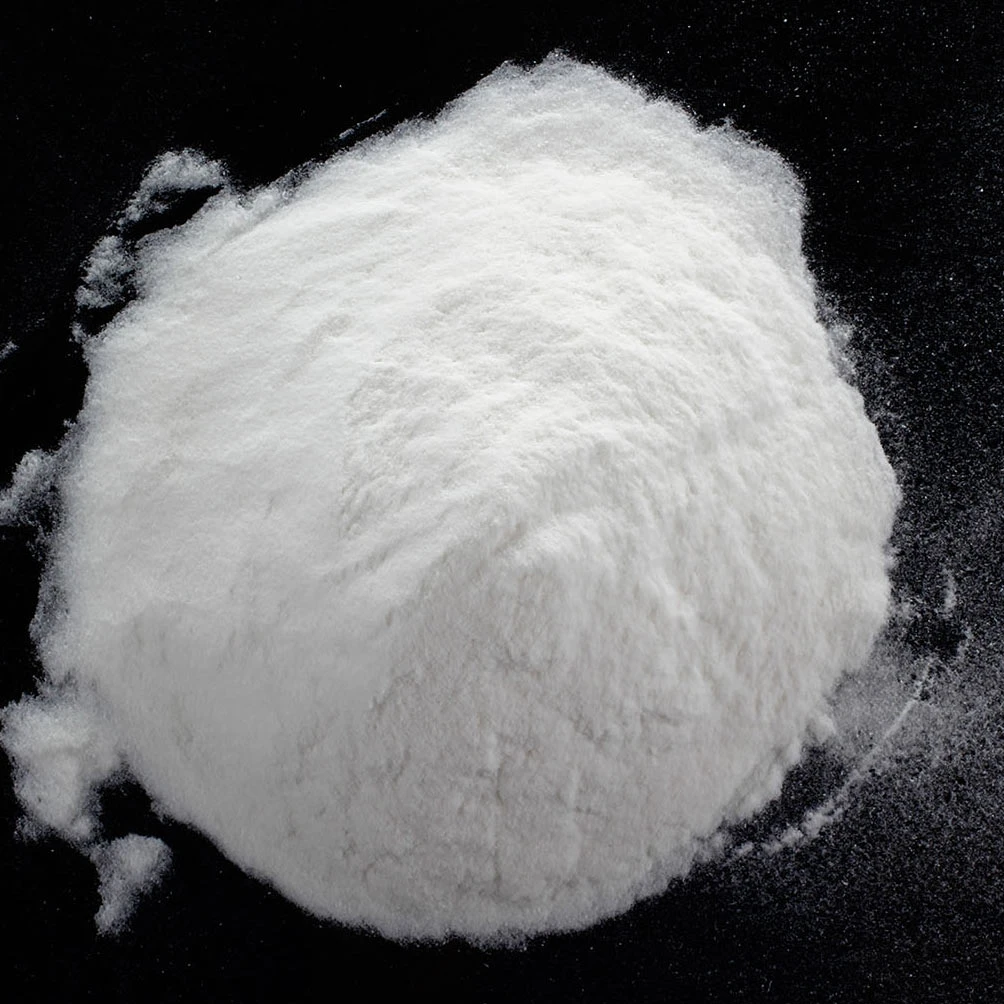
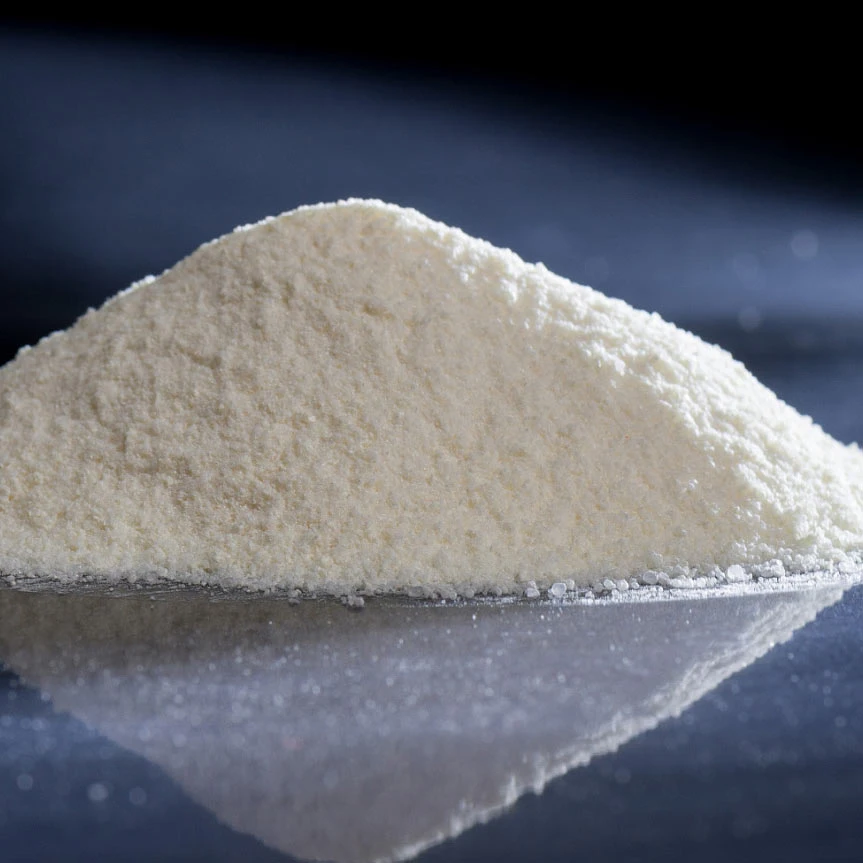
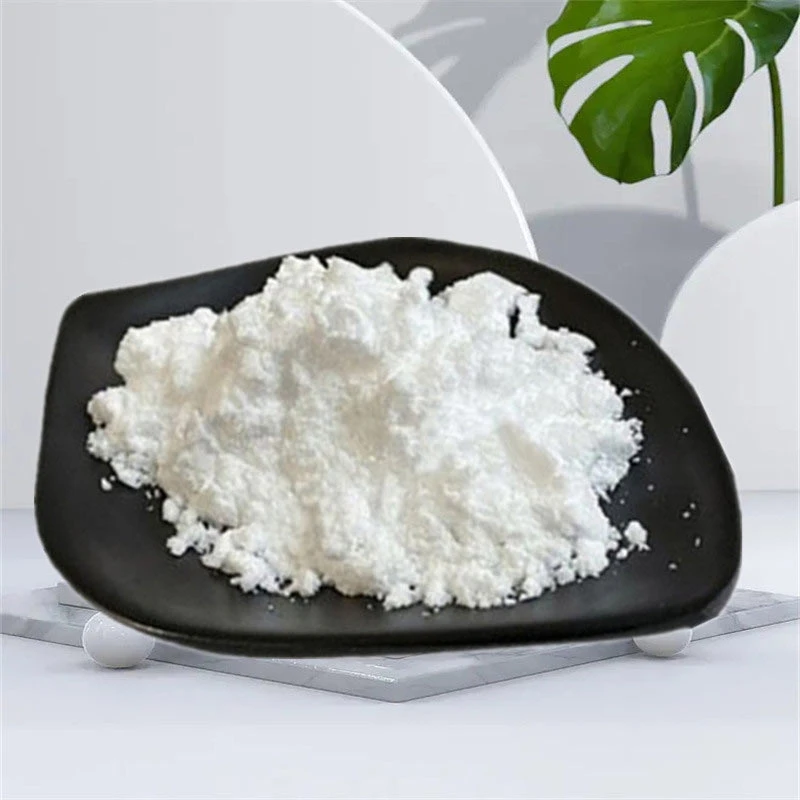
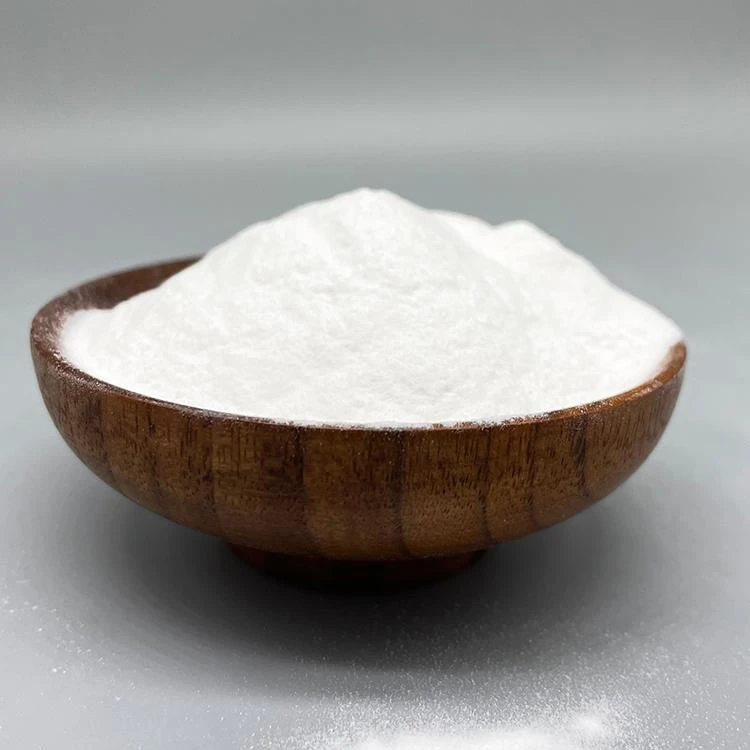
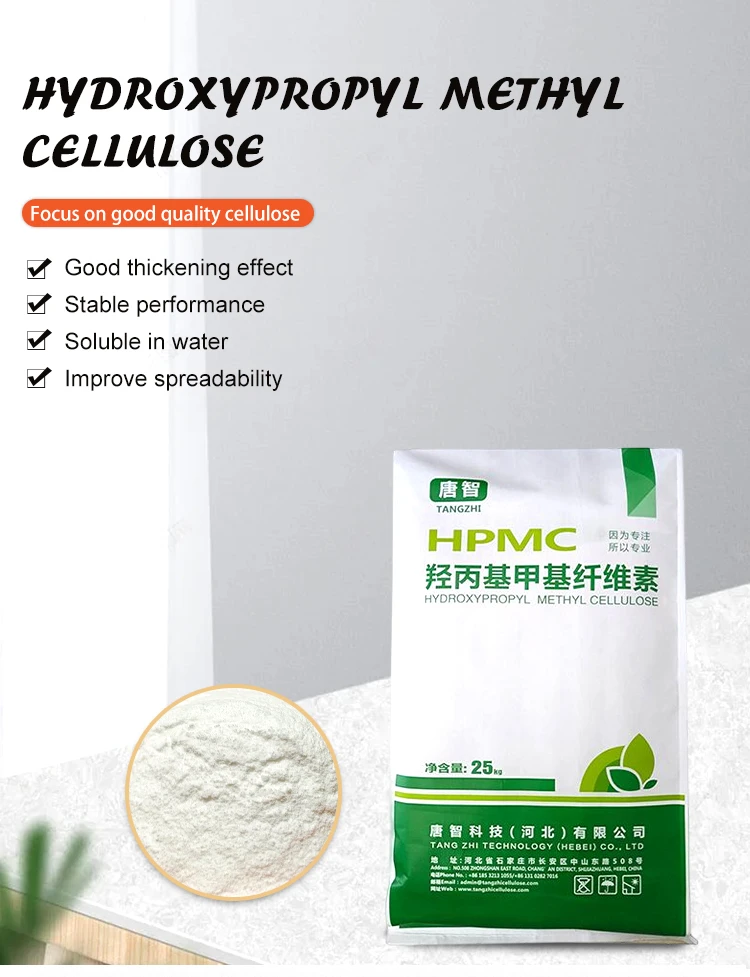
Hydroxypropyl and Hydroxyethyl Starch: Properties, Applications, and Suppliers
Hydroxypropyl starch ether and hydroxyethyl starch are versatile modified starches widely used in the food, pharmaceutical, cosmetic, and industrial sectors. These starch derivatives offer improved solubility, stability, and functional performance compared with native starch, making them suitable for applications ranging from thickening agents to active ingredients in hair care formulations. Understanding the differences between hydroxypropyl starch, hydroxypropyl starch phosphate, and hydroxyethyl starch allows manufacturers to choose the best product for their needs.
This article will discuss hydroxypropyl starch phosphate suppliers, properties of various hydroxy starch derivatives, key applications such as hydroxypropyl starch phosphate in hair products, and the functional characteristics of products like hydroxyethyl starch 130 0.4 and hydroxyethyl starch IV.
Types of Hydroxy Starch and Their Functional Properties
1. Hydroxypropyl Starch and Its Derivatives
Hydroxypropyl starch is a chemically modified starch where hydroxyl groups are substituted with hydroxypropyl groups, resulting in improved water solubility and stability. Its derivatives include:
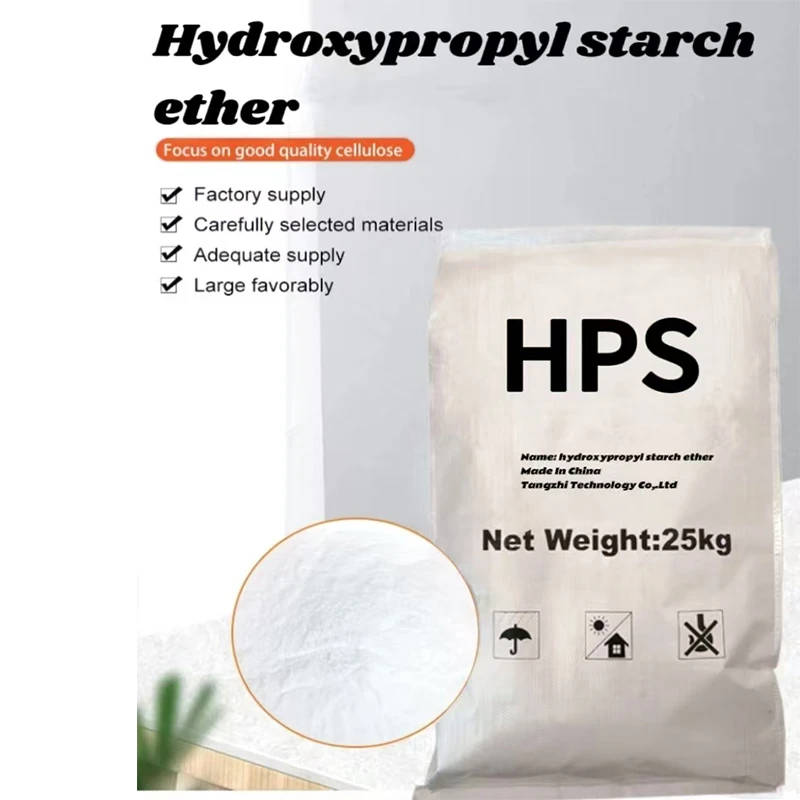
1、Hydroxypropyl starch ether – widely used as a thickener, stabilizer, and binder in food, pharmaceutical, and industrial applications.
2、Hydroxypropyl starch phosphate – a phosphate-modified hydroxypropyl starch that combines the benefits of hydroxypropylation and phosphorylation, improving thermal stability and freeze-thaw stability.
In industries like cosmetics, hydroxypropyl starch phosphate in hair products enhances texture, moisture retention, and film-forming properties, making it a popular ingredient in shampoos and conditioners.
2. Hydroxyethyl Starch (HES)
Hydroxyethyl starch, often abbreviated as HES hydroxyethyl starch, is another modified starch widely used in medical and industrial applications. Key forms include:
6 hydroxyethyl starch – degree of substitution indicates the number of hydroxyethyl groups per glucose unit.
Hydroxyethyl starch 130 0.4 – a medium molecular weight and substitution grade commonly used in plasma volume expanders in healthcare.
Hydroxyethyl starch IV – a higher molecular weight variant with controlled viscosity and solubility.
These derivatives provide hydroxyethyl starch solution for injectable or functional formulations, ensuring stability and proper rheological properties.
3. Hydroxypropyl Distarch Phosphate
Hydroxypropyl distarch phosphate, sometimes labeled as E1442, is a double-modified starch that combines cross-linking and hydroxypropylation. Its main advantages include:
High thermal and shear stability
Resistance to acid hydrolysis
Improved freeze-thaw stability
These properties make hydroxypropyl distarch phosphate suitable for food processing, industrial applications, and personal care products. It can also be tailored for use in hair products, where smooth texture and film formation are important.
Applications of Hydroxy Starch Derivatives
1. Food and Beverage Industry
Modified starches such as hydroxypropyl starch phosphate and hydroxyethyl starch act as:
Thickeners and stabilizers
Emulsifiers for sauces, soups, and dairy products
Film-forming agents in coatings and edible films
Products like hydroxypropyl distarch phosphate E1442 are popular due to their ability to withstand high temperatures and maintain viscosity during processing.
2. Pharmaceutical and Medical Uses
Hydroxyethyl starch HES derivatives are commonly used as plasma volume expanders in intravenous solutions. They provide controlled osmotic pressure and viscosity, with variants like hydroxyethyl starch 130 0.4 and hydroxyethyl starch IV designed for specific therapeutic purposes.
3. Cosmetic and Hair Care Applications
In hair care, hydroxypropyl starch phosphate in hair products provides conditioning, moisture retention, and smoothness. It can be incorporated into shampoos, conditioners, and hair masks. The ability to form a thin protective film makes it especially effective for improving hair texture.
4. Industrial and Technical Applications
Modified starches also find use in:
Adhesives and coatings
Textile sizing
Paper processing
Construction materials for improved binding
The choice of hydroxypropyl starch phosphate supplier or HES manufacturer affects product consistency and suitability for specific industrial applications.
Advantages of Modified Hydroxy Starch
Improved Solubility and Dispersibility
Products like hydroxypropyl starch ether and hydroxyethyl starch solution dissolve easily in water, allowing for uniform formulations.
Thermal and Mechanical Stability
Cross-linked and phosphorylated starches like hydroxypropyl distarch phosphate resist degradation under heat, shear, or acidic conditions.
Enhanced Functional Performance
These starch derivatives enhance viscosity, film formation, moisture retention, and texture, making them highly versatile in food, pharmaceutical, and cosmetic applications.
Customizable Properties
By controlling substitution degree, molecular weight, and modification type, suppliers can provide starches tailored for specific hydroxypropyl starch phosphate in hair products or industrial processes.
Hydroxypropyl starch, hydroxyethyl starch, and their derivatives are essential materials across multiple industries. From hydroxypropyl starch phosphate suppliers providing E1442 for food and cosmetics to HES hydroxyethyl starch solutions used in medical applications, these modified starches deliver superior solubility, stability, and functional performance.
Products such as 6 hydroxyethyl starch, hydroxyethyl starch 130 0.4, and hydroxypropyl distarch phosphate E1442 demonstrate the versatility of hydroxy starches, while applications in hair care and industrial formulations highlight their wide-ranging benefits. Understanding their chemical properties, like pvoh solubility and the chemical formula for polyvinyl alcohol in comparative studies, ensures manufacturers can select the right product for their specific needs.
By leveraging these advanced starch derivatives, industries can improve product quality, performance, and efficiency while meeting regulatory and consumer demands.
FAQ: Hydroxy Starch Derivatives
1. What Is Hydroxypropyl Starch Ether Used For?
Hydroxypropyl starch ether is a modified starch used as a thickener, stabilizer, and binder in food, pharmaceutical, and industrial applications.
2. What Is Hydroxyethyl Starch HES?
Hydroxyethyl starch HES refers to hydroxyethylated starch derivatives used for plasma volume expanders, viscosity enhancement, and film-forming applications. Examples include hydroxyethyl starch 130 0.4 and hydroxyethyl starch IV.
3. What Are the Benefits of Hydroxypropyl Distarch Phosphate?
Hydroxypropyl distarch phosphate E1442 offers high thermal stability, freeze-thaw resistance, and improved viscosity, making it suitable for food, industrial, and cosmetic applications.
4. Can Hydroxypropyl Starch Phosphate Be Used in Hair Products?
Yes, hydroxypropyl starch phosphate in hair products improves texture, moisture retention, and smoothness, and is commonly used in shampoos and conditioners.
5. How Do I Choose a Hydroxypropyl Starch Phosphate Supplier?
A reliable hydroxypropyl starch phosphate supplier provides consistent product quality, appropriate modification grades, and technical support for applications ranging from food processing to personal care products.
-
Industrial Guide to Cellosize Hydroxyethyl Cellulose ApplicationsNewsApr.16,2026
-
Industrial Applications and Benefits of nanofibrillar celluloseNewsApr.09,2026
-
Comprehensive Guide to Hydroxypropyl Methylcellulose and Its Diverse ApplicationsNewsApr.07,2026
-
Exploring Cellulose Based Packaging A Sustainable Choice for BusinessesNewsApr.04,2026
-
Comprehensive Guide to MHEC Chemical Properties and Industrial ApplicationsNewsMar.31,2026
-
Exploring Cellulose Packaging for Food A Sustainable and Renewable SolutionNewsMar.28,2026