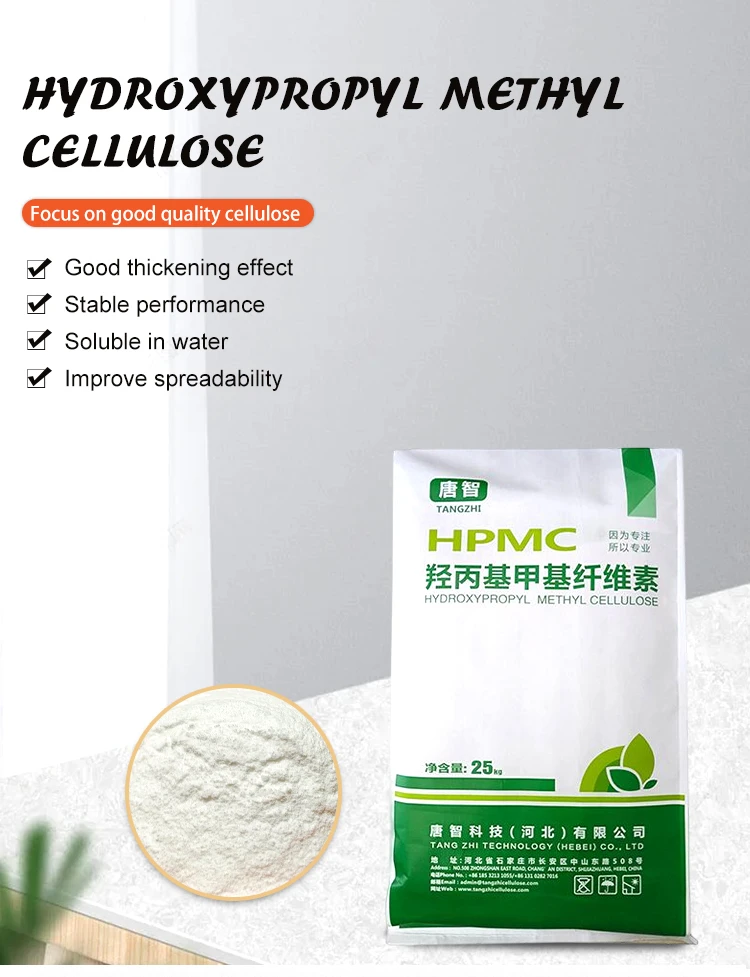
Polyvinyl Alcohol in Construction and Packaging: Applications, Types, and Cost
Polyvinyl alcohol (PVA) is a versatile polymer widely used in construction, packaging, and industrial applications. From polyvinyl alcohol powder to PVA plastic bags, this material offers strength, flexibility, and water-soluble properties that make it invaluable across multiple industries. In construction, combining PVA with cement or mortar enhances performance, while in packaging, polyvinyl alcohol plastic and PVOH plastic provide biodegradable alternatives to conventional plastics.
For companies and individuals seeking polyvinyl alcohol for sale, it is essential to understand its types, applications, and polyvinyl alcohol cost to make informed decisions.
Types of Polyvinyl Alcohol and Their Uses
Polyvinyl alcohol exists in various forms, each with unique properties and applications:
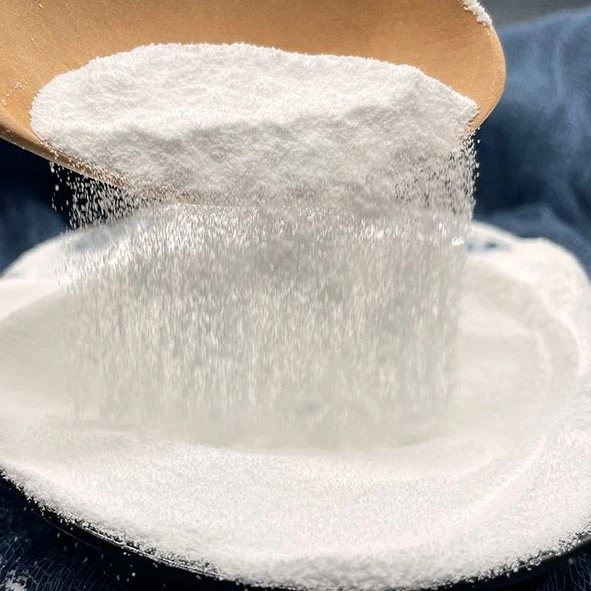
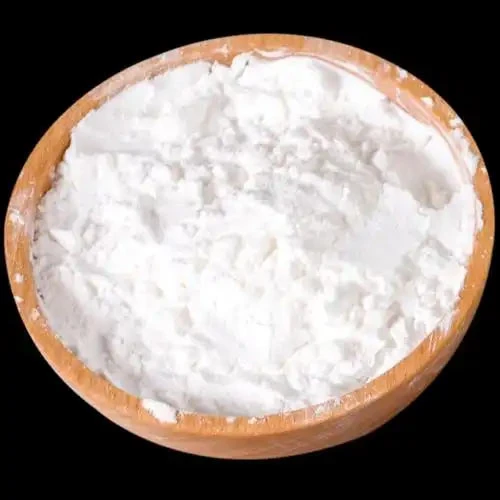
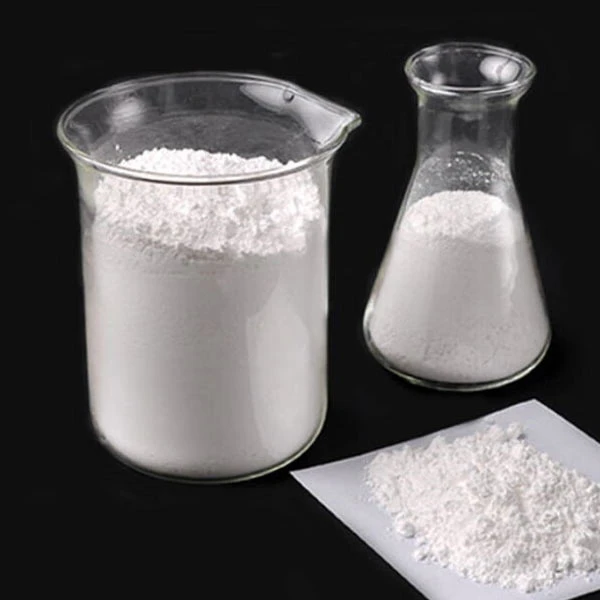
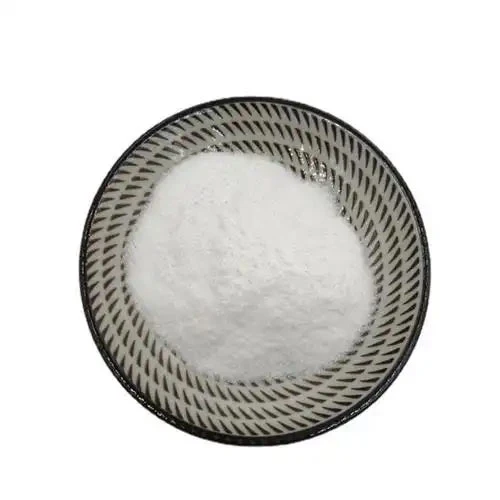
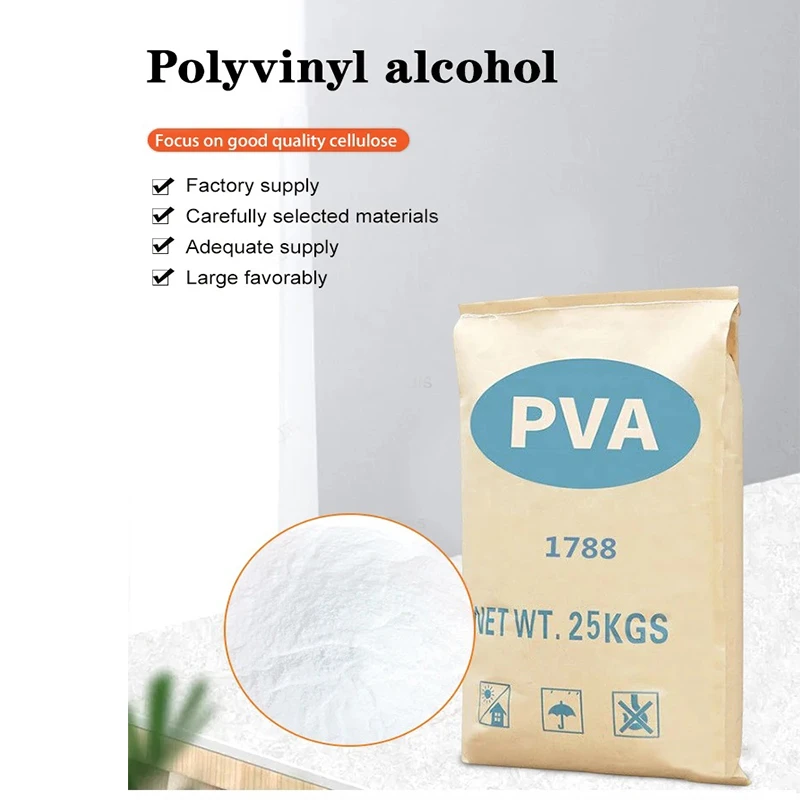
1. Polyvinyl Alcohol Powder
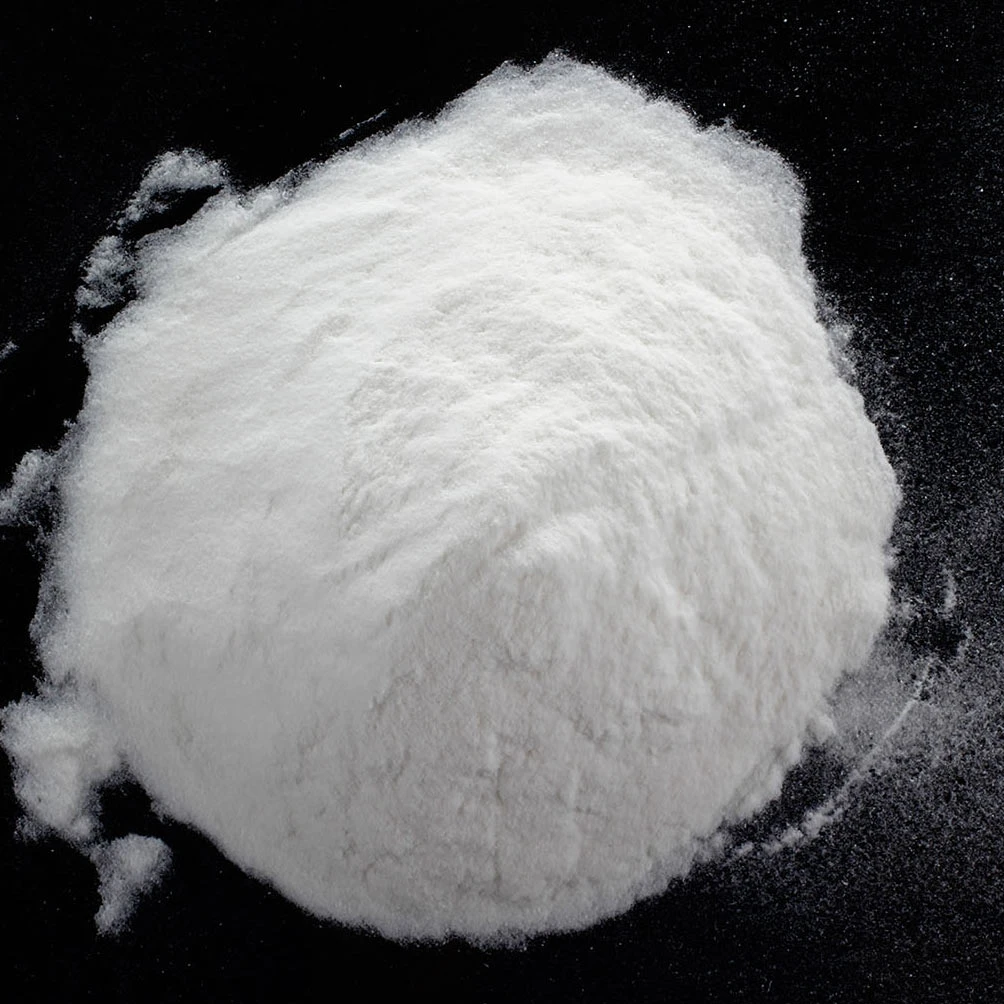
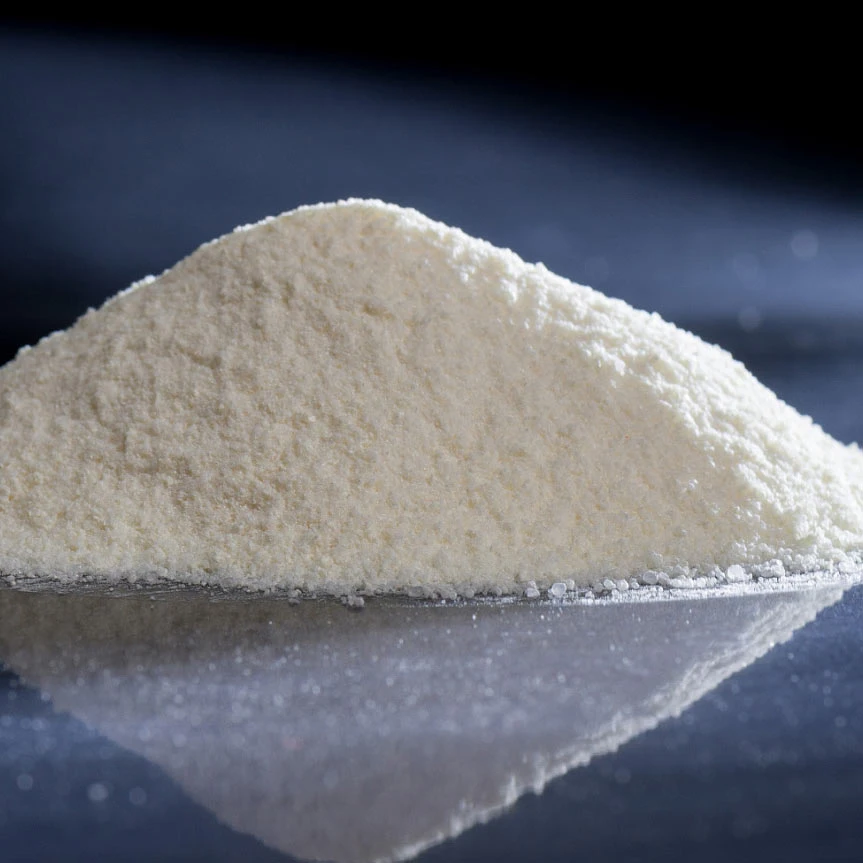
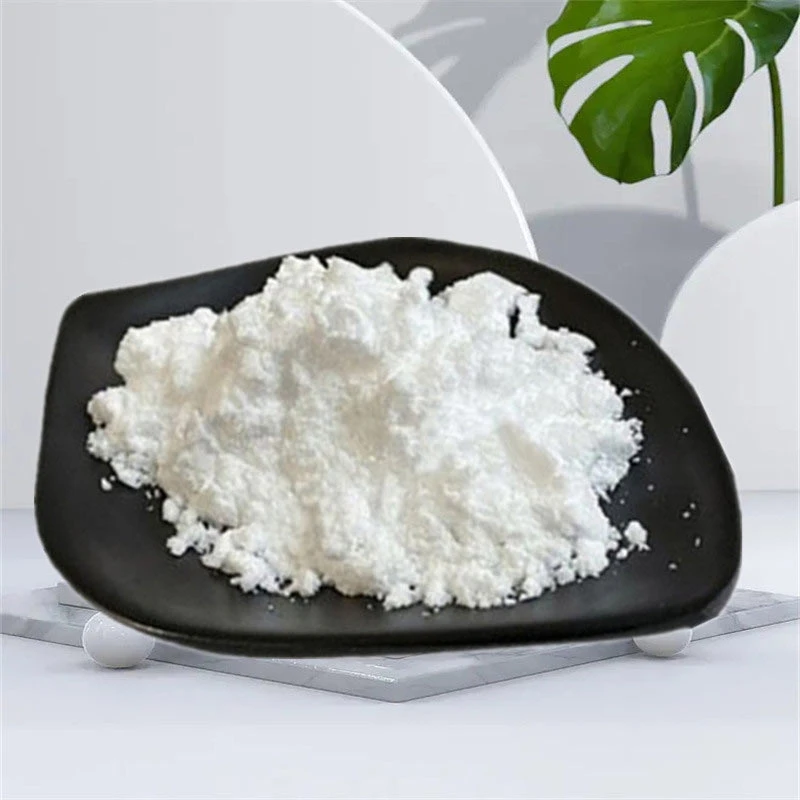
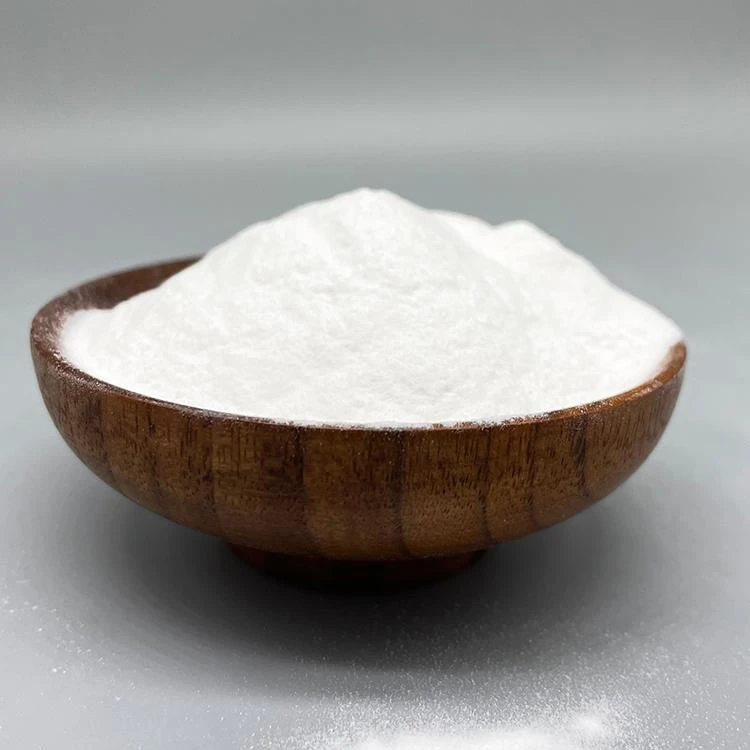
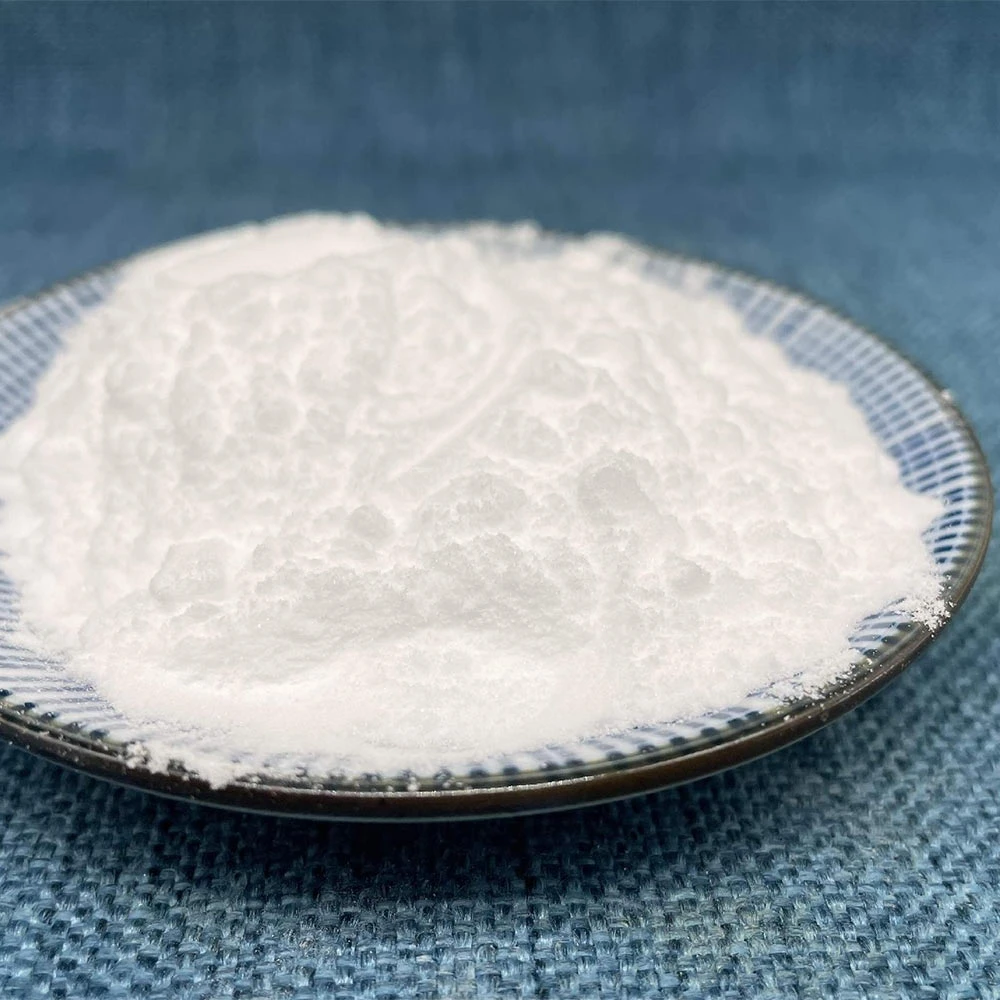
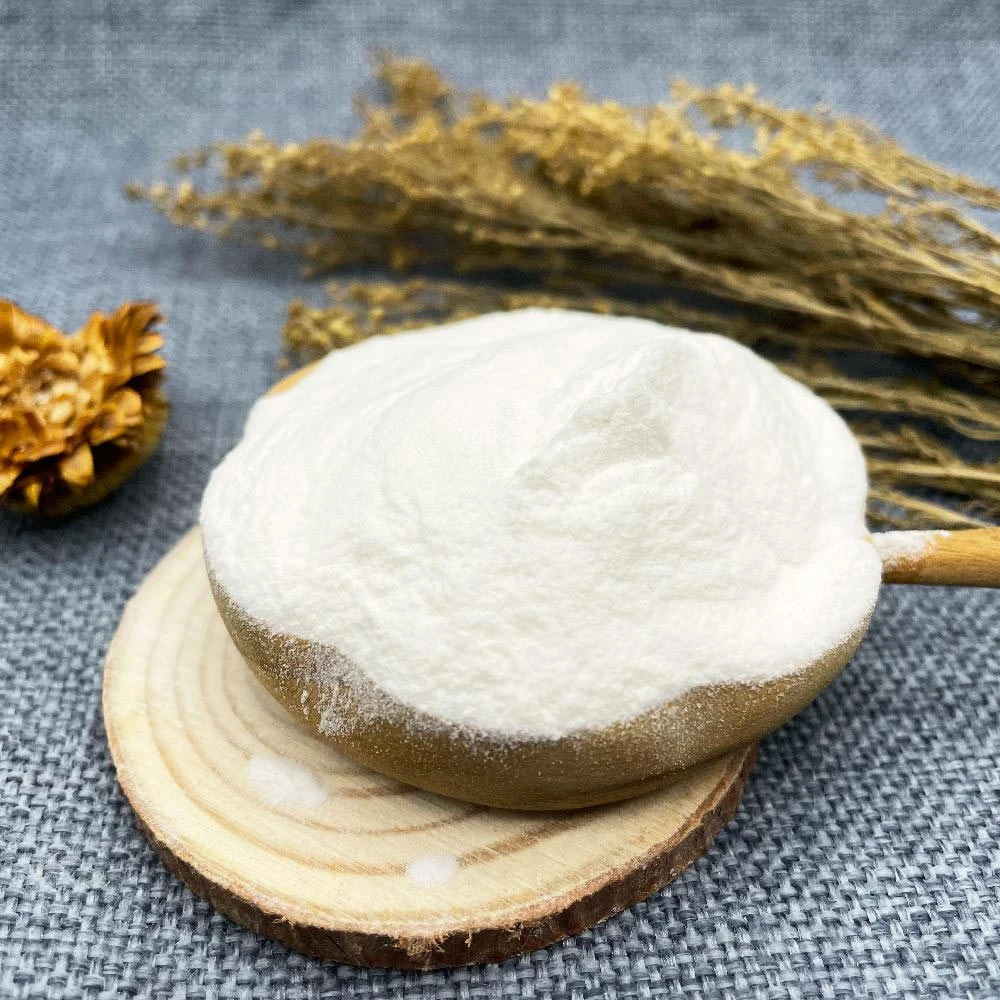
Polyvinyl alcohol powder is commonly used in adhesives, coatings, and textile applications. When dissolved in water, it forms a viscous solution suitable for:
- Paper coatings
- Textile sizing
- Film-forming applications
This form is often marketed under grades like BP26 PVA, PVA 0588, and PVA 088 20, each optimized for specific viscosity and hydrolysis levels.
2. Polyvinyl Alcohol Plastic
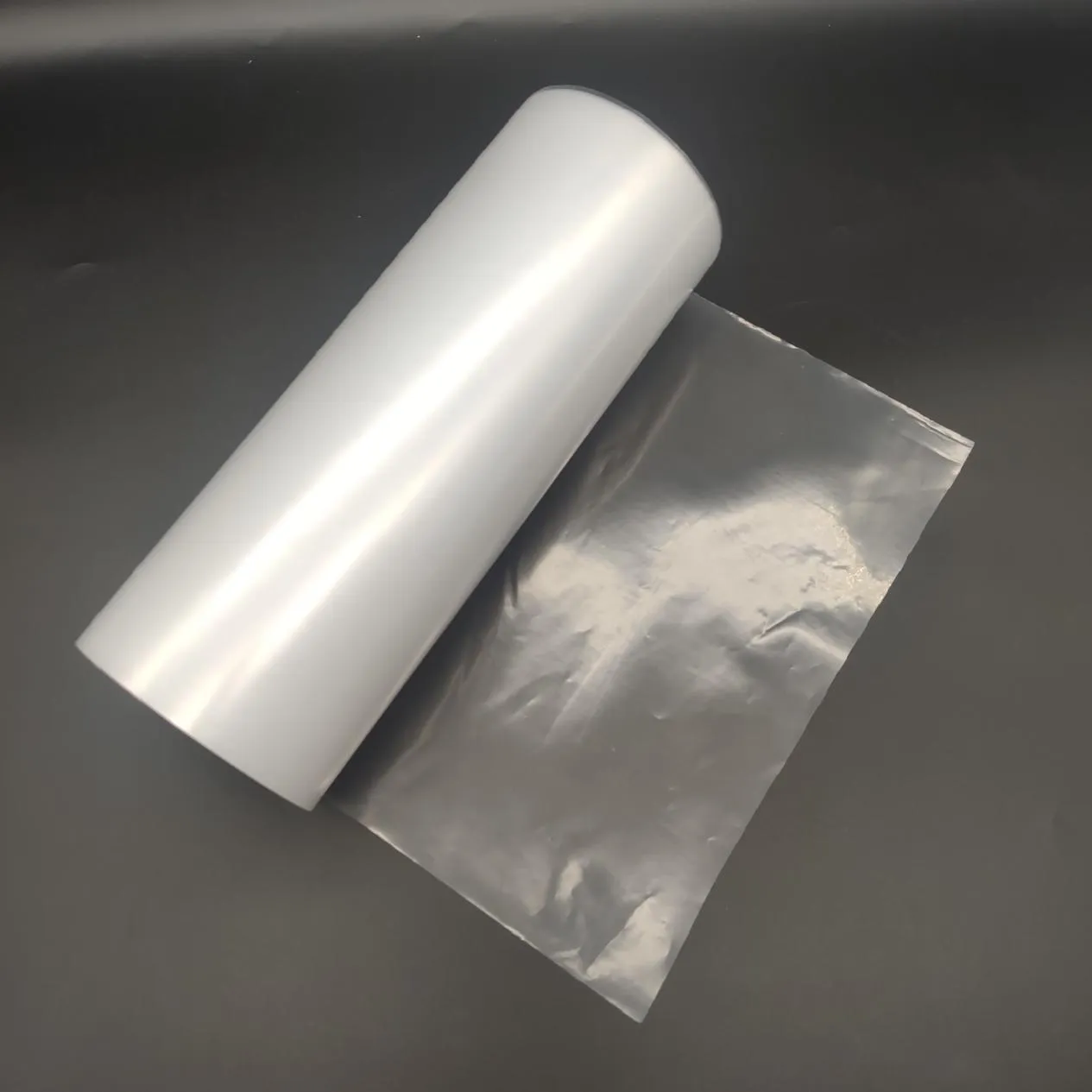
Polyvinyl alcohol plastic or PVA plastic (also known as PVOH plastic) is water-soluble and biodegradable, making it a sustainable option for packaging. Common applications include:
PVA plastic bags for detergents, fertilizers, or chemicals
Soluble film packaging for laundry pods
Packaging for single-use applications in food or agriculture
These plastics are valued for their environmental benefits, as they can dissolve in water and do not leave harmful residues, making PVA plastic bags a popular alternative to conventional plastics.
3. Construction Applications: Cement and Fibers
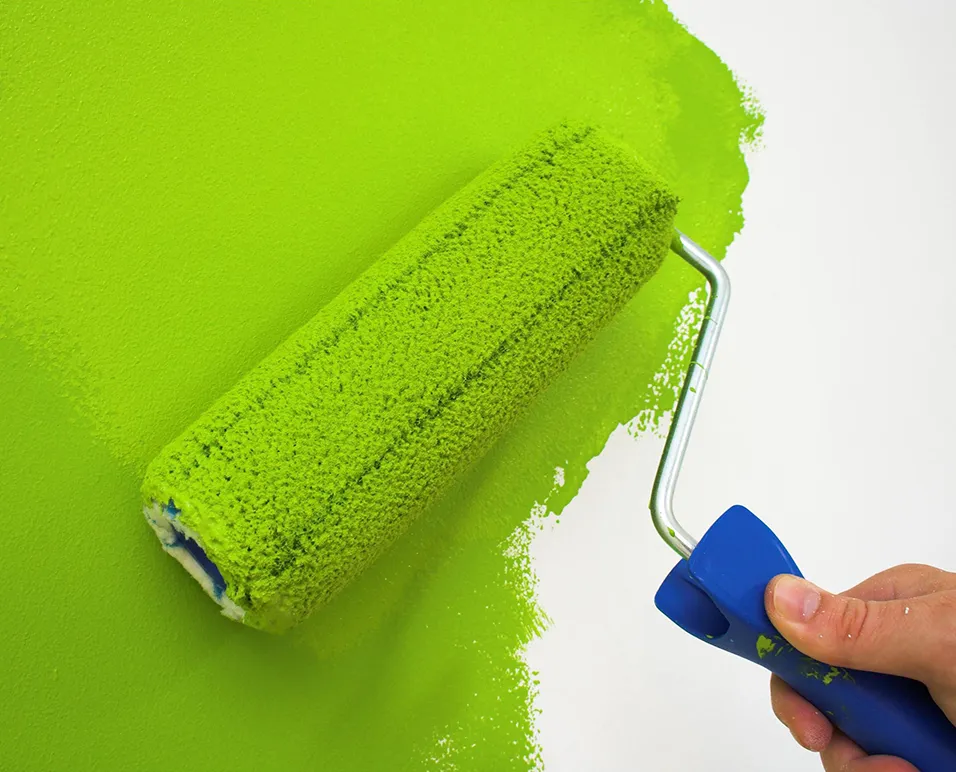
In construction, adding PVA to cement or adding PVA to mortar enhances mechanical properties and reduces cracking. PVA works by improving adhesion and controlling shrinkage. Some notable uses include:
Exterior PVA for rendering to strengthen wall coatings
Polypropylene fibers for concrete and PP fiber concrete applications for added toughness
Combined PVA and PP fibers to improve tensile strength, flexibility, and durability
PP fiber and PVA fibers complement each other, offering enhanced crack resistance and long-term durability for concrete structures.
Applications and Performance Benefits
1. Concrete and Mortar Enhancement
When adding PVA to cement or mortar, the polymer acts as a binder, improving both workability and adhesion. It is particularly useful in:
Exterior wall rendering using exterior PVA for rendering
High-performance cementitious composites
Crack-resistant concrete when combined with polypropylene fiber
This synergy of fibers and polymers makes concrete more durable while maintaining environmental safety.
2. Packaging and Plastic Films
For packaging, polyvinyl alcohol plastic is preferred due to its solubility and biodegradability:
PVA plastic bags dissolve in water, leaving no microplastic residue
Reduces environmental impact compared to traditional plastics
Ideal for packaging chemicals or single-use applications
When evaluating is polyvinyl alcohol a microplastic or is PVA safe, studies confirm that properly formulated PVA is water-soluble and biodegradable, making it safer for the environment.
3. Industrial and Specialty Uses
PVA is also used in specialty applications such as:
Textile sizing
Adhesives and coatings
Monomer PVA for polymer synthesis
These applications leverage the polymer’s film-forming, adhesive, and water-soluble properties.
Cost and Sourcing
Understanding the polyvinyl alcohol cost is critical when planning for industrial or construction applications. Prices vary based on:
Grade and type of PVA (powder, plastic, fiber)
Purity and hydrolysis level (e.g., BP26 PVA, PVA 0588, PVA 088 20)
Quantity purchased from polyvinyl alcohol suppliers
Specialty requirements, such as exterior PVA for rendering or high-viscosity PVA
When sourcing polyvinyl alcohol for sale, it is recommended to work with reliable polyvinyl alcohol suppliers to ensure consistent quality, proper certification, and competitive pricing.
Safety and Environmental Considerations
Two common questions arise regarding the environmental and safety profile of PVA:
Is PVA safe? Properly formulated PVA is non-toxic, biodegradable, and environmentally friendly. It is safe for industrial, construction, and packaging applications.
Is polyvinyl alcohol a microplastic? PVA is water-soluble and breaks down in water, meaning it does not accumulate as microplastic in the environment. Its eco-friendly profile makes it an attractive alternative to conventional plastics.
Polyvinyl alcohol is a highly versatile material with applications in construction, packaging, and industrial processes. From polyvinyl alcohol powder to PVA plastic bags, and from adding PVA to cement to PP fiber concrete, PVA enhances mechanical properties, durability, and environmental performance.
For construction, exterior PVA for rendering and combining PVA with polypropylene fibers for concrete improves crack resistance and tensile strength. In packaging, polyvinyl alcohol plastic offers a biodegradable solution, reducing environmental impact.
When sourcing PVA, understanding the polyvinyl alcohol cost, evaluating grades like BP26 PVA, PVA 0588, and PVA 088 20, and working with reputable polyvinyl alcohol suppliers ensures quality and cost-effectiveness. With proper usage, PVA is both safe and sustainable, proving essential across multiple industries.
FAQ: Polyvinyl Alcohol Applications and Safety (H2)
1. What Is Polyvinyl Alcohol Powder Used For? (H3)
Polyvinyl alcohol powder is used in adhesives, coatings, textile sizing, and film-forming applications, providing strength and water solubility.
2. Can You Add PVA to Cement or Mortar? (H3)
Yes, adding PVA to cement or adding PVA to mortar improves adhesion, reduces cracking, and enhances overall strength in construction applications.
3. Is Polyvinyl Alcohol Safe and Environmentally Friendly? (H3)
Yes, is PVA safe? Properly formulated PVA is non-toxic, biodegradable, and water-soluble, making it safe for industrial, construction, and packaging uses.
4. What Are Polypropylene Fibers for Concrete? (H3)
Polypropylene fibers for concrete (PP fiber) are synthetic fibers that, when combined with PVA, improve tensile strength, reduce cracking, and increase durability in PP fiber concrete.
5. How Much Does Polyvinyl Alcohol Cost? (H3)
The polyvinyl alcohol cost depends on the type (powder, plastic, fiber), grade (e.g., BP26 PVA, PVA 0588, PVA 088 20), quantity, and supplier. Working with reputable polyvinyl alcohol suppliers ensures consistent quality and competitive pricing.
-
Industrial Guide to Cellosize Hydroxyethyl Cellulose ApplicationsNewsApr.16,2026
-
Industrial Applications and Benefits of nanofibrillar celluloseNewsApr.09,2026
-
Comprehensive Guide to Hydroxypropyl Methylcellulose and Its Diverse ApplicationsNewsApr.07,2026
-
Exploring Cellulose Based Packaging A Sustainable Choice for BusinessesNewsApr.04,2026
-
Comprehensive Guide to MHEC Chemical Properties and Industrial ApplicationsNewsMar.31,2026
-
Exploring Cellulose Packaging for Food A Sustainable and Renewable SolutionNewsMar.28,2026