Types of Water-Reducing Admixtures in Concrete: Understanding Modern Cement Water Reducer Technology
In modern construction, improving the performance and durability of concrete is essential for infrastructure, buildings, and precast structures. One of the most effective ways to enhance concrete performance is by using water-reducing admixtures. These chemical additives help reduce the amount of water required in concrete mixtures while maintaining or even improving workability.
Today, water reducing admixtures in concrete are widely used in residential construction, bridges, tunnels, and large-scale infrastructure projects. Whether it is a basic cement water reducer or a high range water reducing admixture, these materials allow engineers to produce stronger, more durable concrete.
This article explores the types of water-reducing admixtures, how a water reducer admixture in concrete works, and provides an example of water reducing admixture used in modern building materials.
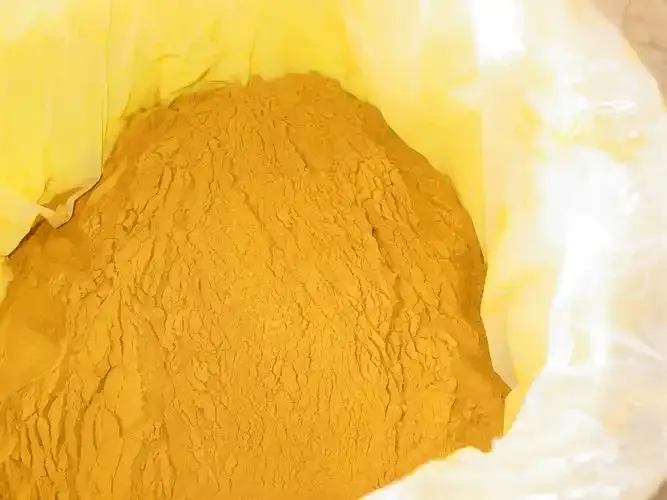
Types of Water-Reducing Admixtures Used in Concrete
Understanding the different types of water-reducing admixtures helps engineers and manufacturers choose the right product for specific construction applications. Each type of concrete water reducing admixture offers unique advantages depending on the required strength, workability, and curing time.
1. Lignosulfonate Water Reducers
Lignosulfonate is one of the earliest and most commonly used water reducer admixture materials. It is derived from wood processing and acts as a dispersing agent in cement mixtures.
Key characteristics include:
- Moderate water reduction capability
- Low cost and wide availability
- Suitable for general construction projects
Although effective, lignosulfonate-based water reducer admixture concrete products provide lower performance compared with newer technologies.
2. Naphthalene-Based Water Reducers
Naphthalene sulfonate-based admixtures are considered a high range water reducing admixture compared with traditional products. These materials provide stronger dispersing ability, improving the workability of concrete mixtures.
Advantages include:
Higher water reduction rate
Improved concrete flowability
Suitable for precast concrete and high-strength structures
However, these water-reducing admixtures may have limited slump retention, meaning the workability of the concrete decreases more quickly over time.
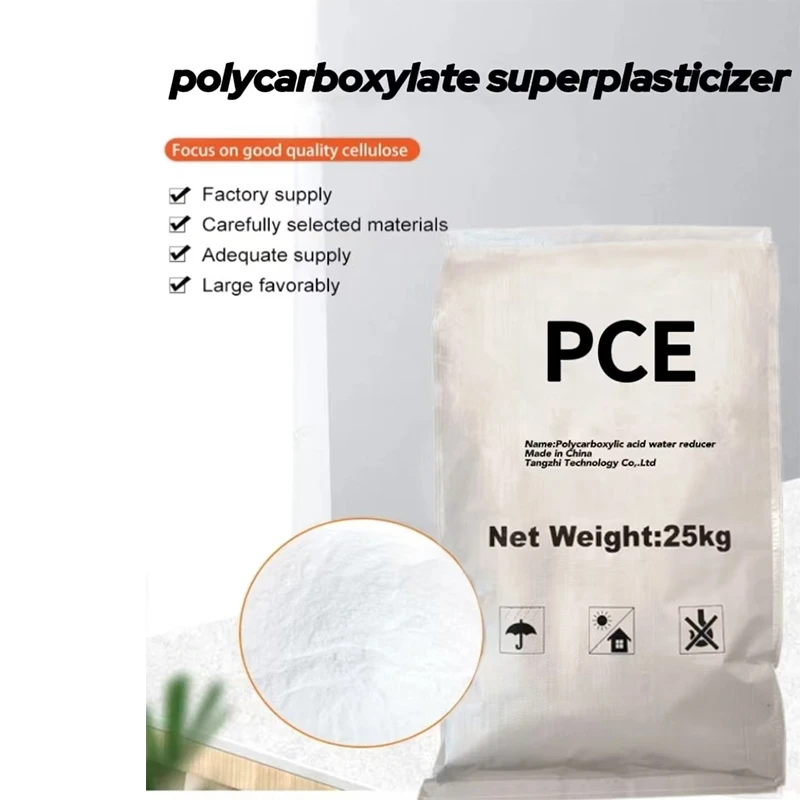
3. Polycarboxylate Superplasticizers
Polycarboxylate-based products are currently the most advanced type of concrete additive water reducer superplasticizer. They offer superior water reduction and excellent slump retention.
Features of this water-reducing admixture include:
Extremely high water reduction (up to 30–35%)
Excellent dispersion of cement particles
Low dosage requirement
Improved early and long-term strength
Due to these advantages, polycarboxylate-based water reducing admixtures in concrete are widely used in high-performance construction projects.
4. Melamine-Based Water Reducers
Melamine sulfonate-based admixtures are another example of water reducing admixture commonly used in specialized applications. These products are often applied in precast and fast-setting concrete systems.
Benefits include:
Rapid strength development
High workability
Good compatibility with different cement types
Although effective, melamine-based water reducer admixture in concrete tends to be more expensive than traditional solutions.
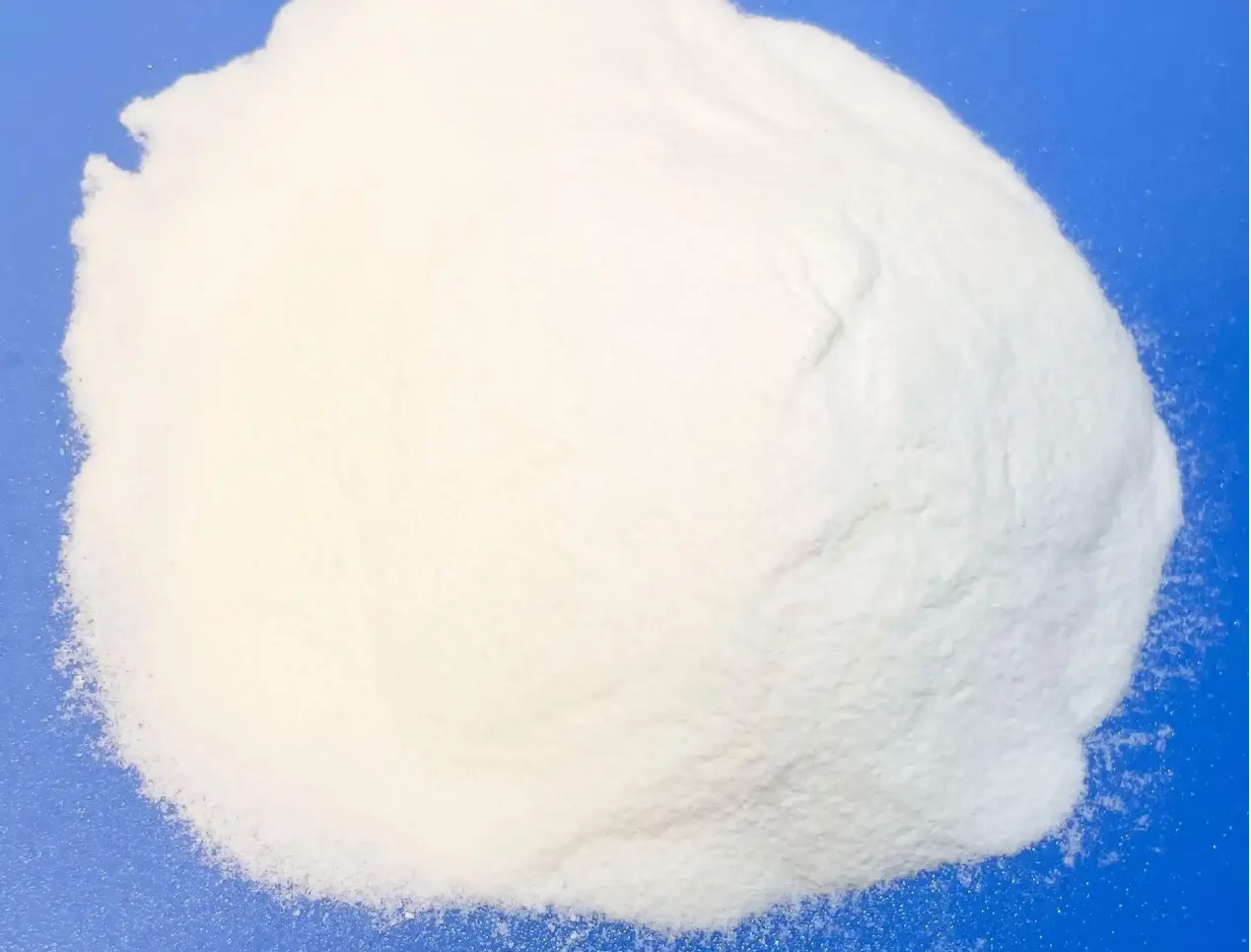
How Water Reducer Admixture Improves Concrete Performance
The purpose of a water reducer admixture is to reduce the amount of mixing water while maintaining proper consistency and workability. This improves both the mechanical and durability properties of concrete.
Reduced Water Content and Increased Strength
When a cement water reducer is added to concrete, it disperses cement particles and prevents them from clumping together. This allows the mixture to flow more easily even with less water.
Less water in the mix means:
Higher compressive strength
Reduced porosity
Improved durability
This is why water reducing admixtures in concrete are essential for high-performance construction.
Improved Workability and Placement
Concrete mixtures can be difficult to place and compact, especially in complex structures. Using a water reducer admixture concrete product improves fluidity without increasing water content.
This is particularly important for:
Reinforced concrete structures
Pumped concrete systems
Self-compacting concrete
With the help of a high range water reducing admixture, contractors can achieve excellent flowability while maintaining structural integrity.
Enhanced Durability
Concrete structures are often exposed to harsh environmental conditions such as freeze–thaw cycles, chemical exposure, and heavy loads. A concrete water reducing admixture improves the density of hardened concrete, reducing permeability and increasing resistance to environmental damage.
Cost Efficiency in Concrete Production
Although chemical additives may increase the initial material cost, using a concrete additive water reducer superplasticizer can reduce overall construction expenses by:
Lowering cement consumption
Reducing repair and maintenance costs
Improving construction efficiency
When selecting materials, buyers often consider the polycarboxylate price, especially for large-scale projects. While advanced superplasticizers may have higher initial costs, their performance benefits often lead to long-term savings.
Example of Water Reducing Admixture in Practical Applications
A practical example of water reducing admixture is the use of polycarboxylate superplasticizers in high-rise buildings.
In these projects, concrete must be pumped to great heights while maintaining flowability and strength. A high range water reducing admixture allows the mixture to remain workable during transportation and pumping while ensuring the final structure achieves high compressive strength.
Similarly, water reducer admixture in concrete is widely used in:
Bridges and highways
Precast concrete elements
Marine structures
Industrial flooring
These applications demonstrate the importance of choosing the right water-reducing admixture to meet engineering requirements.
Concrete technology has advanced significantly over the past decades, and water-reducing admixtures have played a crucial role in this progress. By reducing water content while maintaining workability, a water reducer admixture improves the strength, durability, and efficiency of concrete mixtures.
There are several types of water-reducing admixtures, including lignosulfonate, naphthalene, melamine, and polycarboxylate-based products. Each type of concrete water reducing admixture is designed for specific applications and performance requirements.
Among these options, modern high range water reducing admixture technologies such as polycarboxylate superplasticizers provide the best performance for advanced construction projects. Although the polycarboxylate price may vary depending on quality and supply conditions, its efficiency and durability benefits make it a valuable investment for the construction industry.
As infrastructure demands continue to grow, the use of water reducing admixtures in concrete will remain essential for producing stronger, more sustainable building materials.
FAQ: Types of Water-Reducing Admixtures in Concrete
1. What Are Water-Reducing Admixtures in Concrete?
Water-reducing admixtures in concrete are chemical additives used to reduce the amount of water required in a concrete mix while maintaining workability and improving strength.
2. What Are the Main Types of Water-Reducing Admixtures?
The most common types of water-reducing admixtures include lignosulfonate-based, naphthalene-based, melamine-based, and polycarboxylate-based products.
3. What Is a High Range Water Reducing Admixture?
A high range water reducing admixture is a powerful chemical additive that can reduce water content by 20–35%, significantly improving concrete flowability and strength.
4. What Is an Example of Water Reducing Admixture?
A common example of water reducing admixture is polycarboxylate superplasticizer, which is widely used in high-performance concrete and precast construction.
5. What Factors Affect Polycarboxylate Price?
The polycarboxylate price depends on raw material quality, manufacturing technology, performance level, and supply volume for construction projects.
-
Industrial Guide to Cellosize Hydroxyethyl Cellulose ApplicationsNewsApr.16,2026
-
Industrial Applications and Benefits of nanofibrillar celluloseNewsApr.09,2026
-
Comprehensive Guide to Hydroxypropyl Methylcellulose and Its Diverse ApplicationsNewsApr.07,2026
-
Exploring Cellulose Based Packaging A Sustainable Choice for BusinessesNewsApr.04,2026
-
Comprehensive Guide to MHEC Chemical Properties and Industrial ApplicationsNewsMar.31,2026
-
Exploring Cellulose Packaging for Food A Sustainable and Renewable SolutionNewsMar.28,2026