Understanding PVA: Types, Applications, and Construction Uses
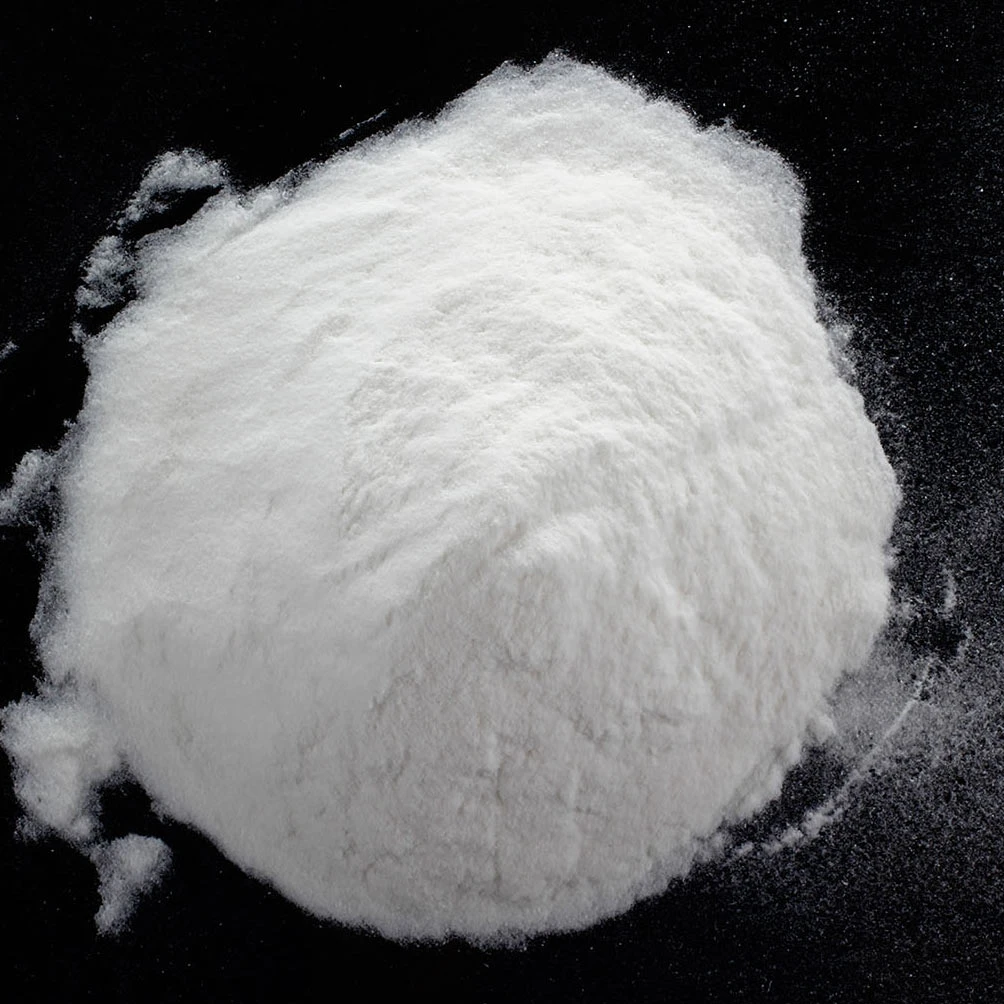
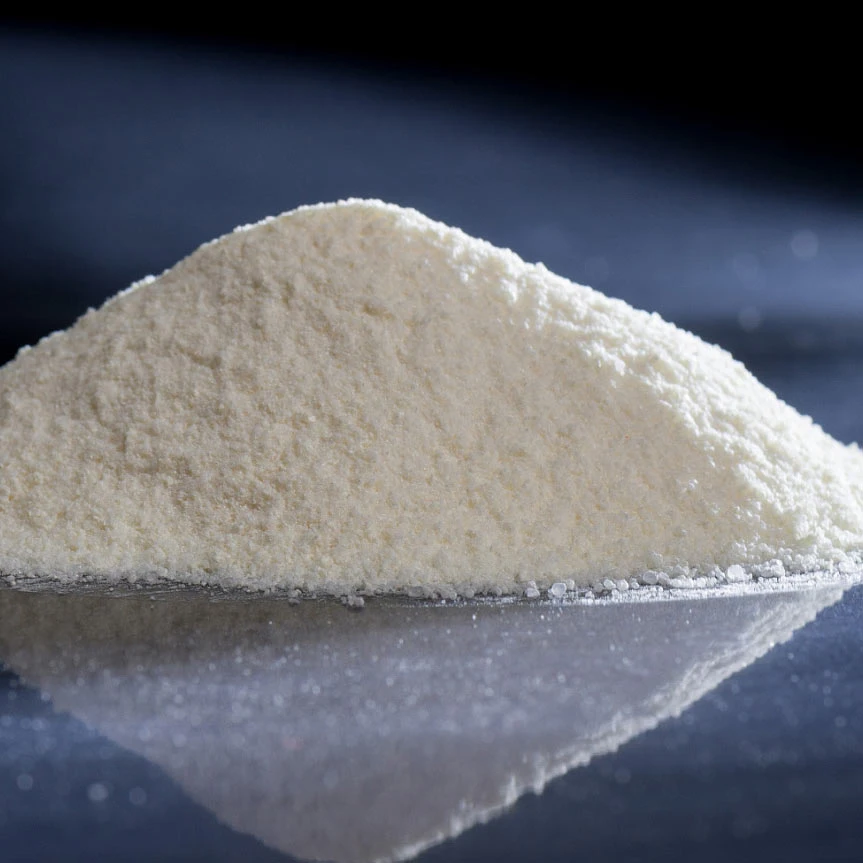
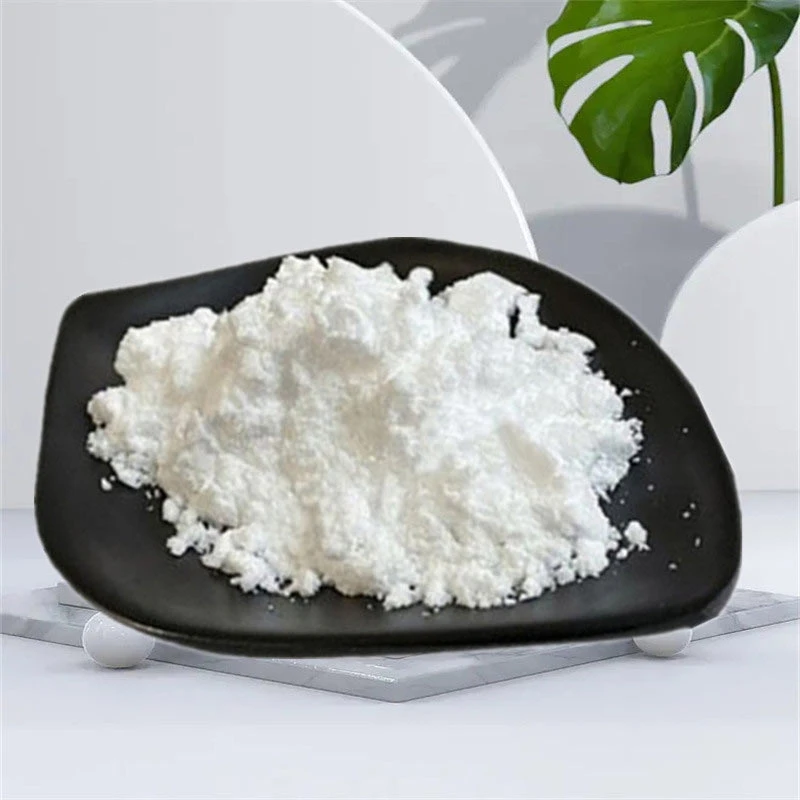
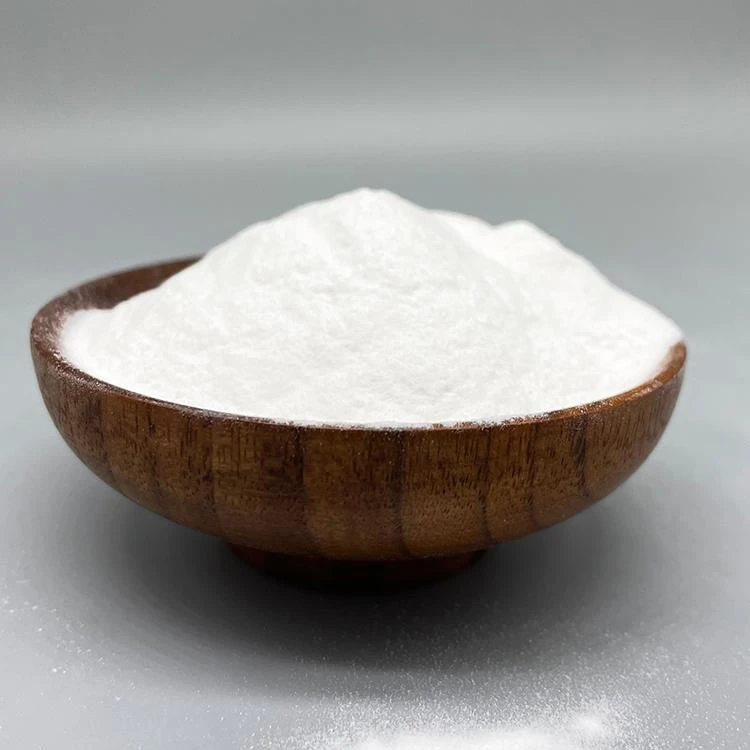
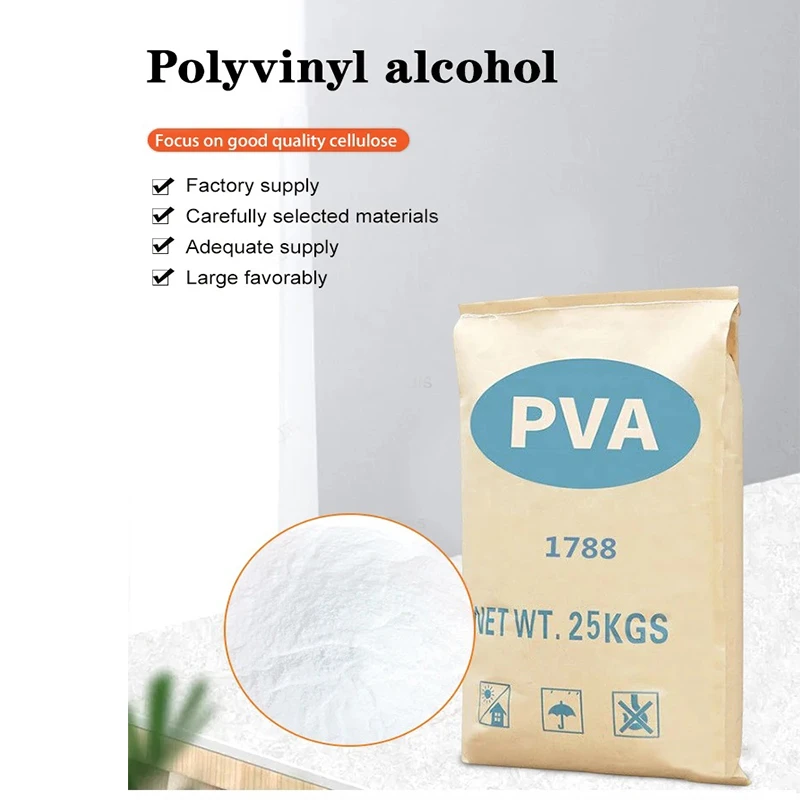
Polyvinyl alcohol (PVA) is a versatile polymer widely used in construction, coatings, adhesives, and industrial applications. Known for its excellent film-forming properties, water solubility, and chemical stability, PVA has become a key material for enhancing building durability and efficiency. From general purpose PVA to exterior waterproof PVA, understanding the pva types, usage methods, and chemical properties helps construction professionals optimize its performance.
This article explores PVA applications before and after plastering, its interaction with cement, solubility properties, and considerations for PVA automation in industrial processes.
Types of PVA and Their Applications in Construction
There are several pva types designed for different construction and industrial applications. Choosing the right type ensures proper performance, whether for plastering, painting, or waterproofing.
1. General Purpose PVA
General purpose PVA is widely used as an additive for cement and plaster to improve adhesion, reduce cracking, and enhance durability. It is suitable for:
- Standard wall rendering
- Interior and exterior plastering
- Cement-based coatings
This type of PVA is easy to use, compatible with most building materials, and cost-effective for everyday construction needs.
2. Exterior PVA for Rendering
Exterior PVA for rendering is a specialized polymer designed for outdoor applications. It enhances the strength and adhesion of plaster and cement renders while providing waterproofing properties. Key features include:
Resistance to weathering and moisture
Improved adhesion to masonry surfaces
Reduced cracking and shrinkage
For projects requiring long-lasting exterior finishes, exterior waterproof PVA ensures durability under harsh environmental conditions.
3. PVA A
PVA A refers to a higher-grade PVA polymer optimized for construction and industrial applications where consistent quality and performance are essential. It is commonly used in combination with cement, plaster, and coatings to achieve enhanced bonding and surface finish.
4. PVA After Plastering vs. PVA Before Plastering
PVA before plastering: Applied as a primer on masonry surfaces, PVA improves adhesion of the plaster to the substrate. It helps prevent the plaster from detaching and reduces water absorption in porous surfaces.
PVA after plastering: Often applied as a sealer or protective layer, PVA strengthens the surface, adds slight water resistance, and provides a smooth base for painting or finishing coats.
Understanding when to use PVA ensures optimal performance in rendering and painting applications.
Chemical and Physical Properties of PVA
Solubility and Chemical Formula
The chemical formula for polyvinyl alcohol is (C₂H₄O)ₙ. Its solubility in water varies depending on polymerization degree and hydrolysis level. Key points include:
PVOH solubility: Fully hydrolyzed PVA dissolves slowly in hot water, while partially hydrolyzed PVA dissolves more readily in cold or warm water.
PVA solubility: Essential for creating polyvinyl alcohol solution, which can be applied as adhesives, primers, or surface treatments.
Understanding solubility is critical for mixing PVA with cement, plaster, or paint, ensuring even distribution and consistent performance.
PVA Plastic
PVA plastic is a water-soluble, biodegradable material derived from PVA. Its key applications include:
Water-soluble packaging films
Biodegradable bags and pouches
Protective coatings in industrial processes
What is PVA plastic? It is a polymer that dissolves in water without leaving microplastic residues, making it environmentally friendly while retaining strength for packaging and coating purposes.
Using PVA in Cement and Plaster
Enhancing Cement and Mortar
When combining PVA and cement, the polymer improves adhesion, reduces porosity, and enhances flexural strength. This makes it ideal for rendering, plastering, and concrete repair works.
PP fibers and PVA can also be used together in cementitious mixes to further improve crack resistance and durability.
Automation in PVA Application
In large-scale projects, PVA automation is increasingly used for precise dosing, mixing, and application. Automated systems ensure:
Consistent PVA distribution in cement or plaster
Reduced material waste
Improved quality control and efficiency
Automation is particularly valuable in precast concrete manufacturing, high-rise construction, and industrial coatings.
PVA Before Painting
Applying PVA before painting provides a uniform, adhesive, and smooth base. It seals porous surfaces, prevents paint absorption, and enhances the durability of the topcoat.
PVA is an essential material in modern construction and industrial applications. Its versatility ranges from general purpose PVA for everyday rendering to exterior waterproof PVA for outdoor durability. By understanding pva types, solubility, chemical properties, and proper application methods (PVA before plastering, PVA after plastering, PVA and cement), builders and manufacturers can optimize surface quality, adhesion, and long-term performance.
Moreover, the use of PVA plastic for water-soluble films adds an environmentally friendly dimension to industrial applications. Incorporating PVA automation ensures efficiency and consistency, especially in large-scale construction projects. Proper knowledge of PVA allows professionals to achieve high-quality, durable, and sustainable results in both construction and packaging.
FAQ: PVA Applications and Properties
1. What Are the Different PVA Types Used in Construction?
PVA types include general purpose PVA, PVA A, and exterior PVA for rendering, each designed for specific uses such as plastering, cement reinforcement, or waterproof coatings.
2. Should PVA Be Applied Before or After Plastering?
PVA before plastering acts as a primer to improve adhesion, while PVA after plastering serves as a sealer or protective layer to strengthen and smooth the surface.
3. What Is the Chemical Formula for Polyvinyl Alcohol?
The chemical formula for polyvinyl alcohol is (C₂H₄O)ₙ. Its solubility in water depends on the degree of polymerization and hydrolysis, affecting performance in construction mixes.
4. What Is PVA Plastic and Its Uses?
PVA plastic is a water-soluble, biodegradable polymer used for polyvinyl alcohol solution films, packaging, and protective coatings. What is PVA plastic? It is a sustainable alternative to traditional plastics, dissolving in water without leaving microplastics.
5. How Does PVA Improve Cement and Plaster?
Adding PVA and cement or PVA to mortar improves adhesion, reduces cracking, enhances flexural strength, and provides water resistance. Combined with PP fibers, it increases durability and long-term performance.
-
Industrial Guide to Cellosize Hydroxyethyl Cellulose ApplicationsNewsApr.16,2026
-
Industrial Applications and Benefits of nanofibrillar celluloseNewsApr.09,2026
-
Comprehensive Guide to Hydroxypropyl Methylcellulose and Its Diverse ApplicationsNewsApr.07,2026
-
Exploring Cellulose Based Packaging A Sustainable Choice for BusinessesNewsApr.04,2026
-
Comprehensive Guide to MHEC Chemical Properties and Industrial ApplicationsNewsMar.31,2026
-
Exploring Cellulose Packaging for Food A Sustainable and Renewable SolutionNewsMar.28,2026