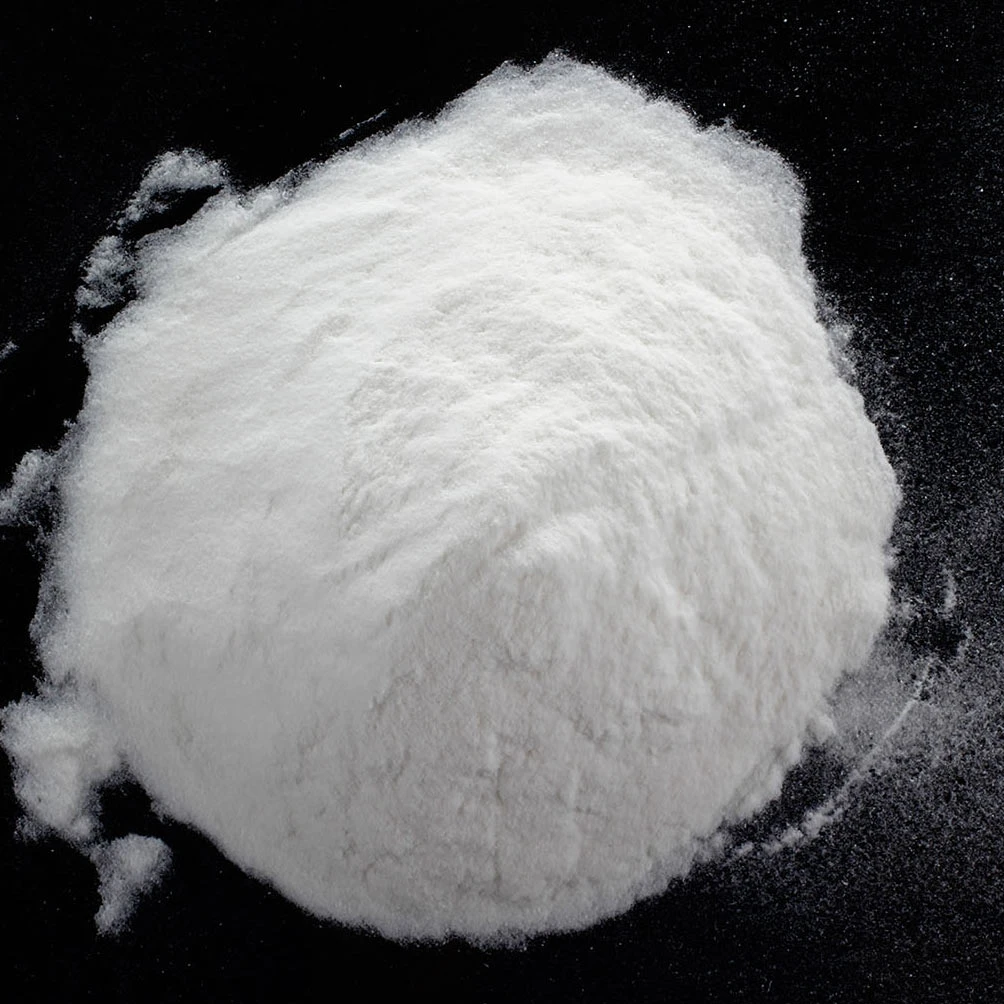
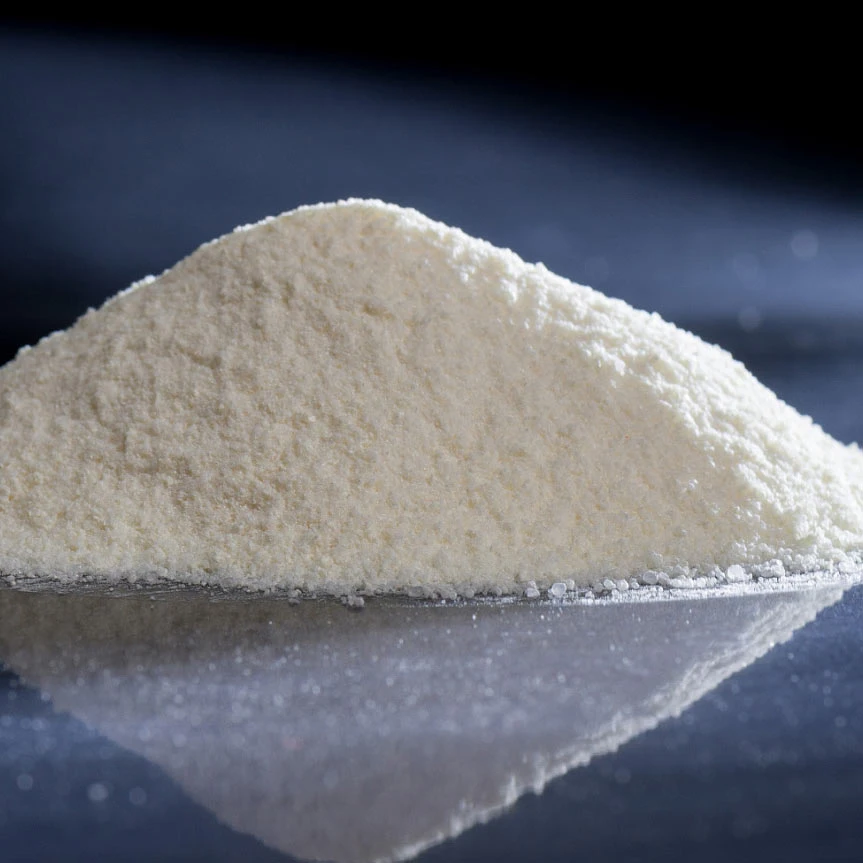
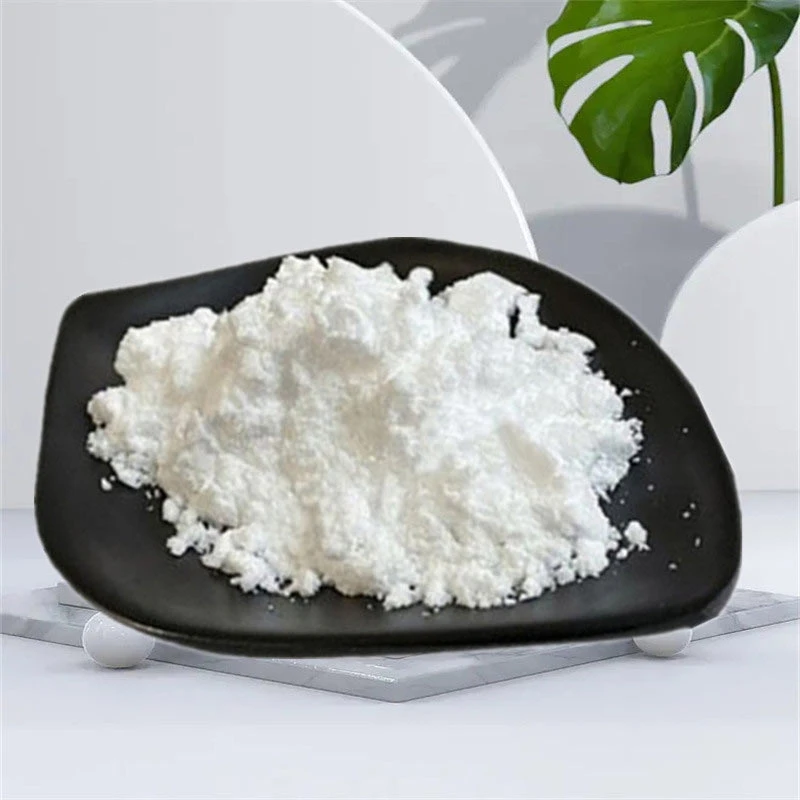
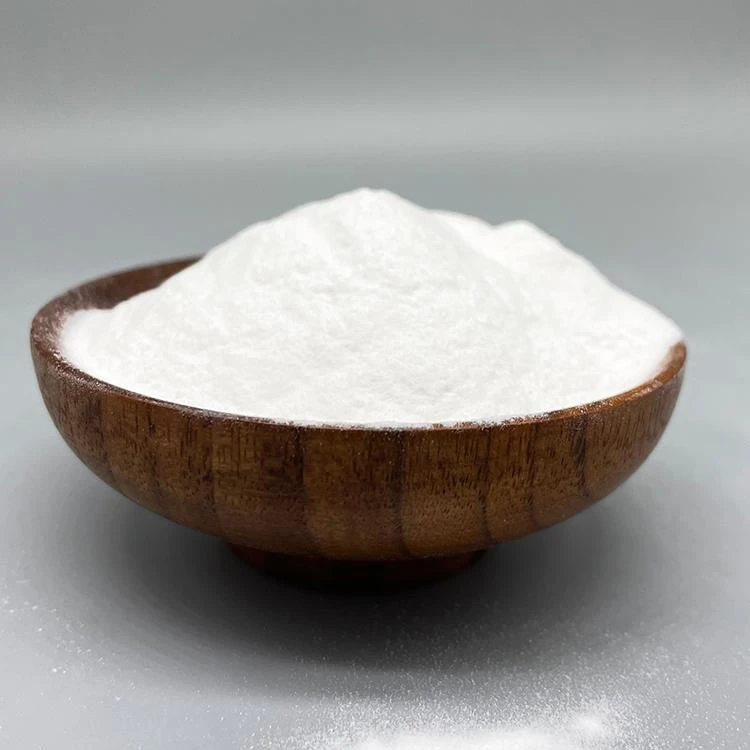
Hydroxypropyl Starch and Hydroxyethyl Starch: Applications in Food, Cosmetics, and Medical Industries
Modified starch derivatives have become essential ingredients across many industries, including construction, pharmaceuticals, cosmetics, and food processing. Among the most widely used modified starches are hydroxypropyl starch ether, hydroxypropyl starch, and hydroxyethyl starch. These compounds are developed through chemical modification processes that improve the functional properties of natural starch, such as stability, solubility, and viscosity control.
From thickening agents in foods to plasma expanders in medicine and stabilizers in cosmetic formulations, hydroxy-modified starches offer excellent performance and versatility. This article explores the different types of hydroxy starch derivatives, their unique characteristics, and their applications in modern industries.
Understanding Hydroxypropyl Starch and Hydroxypropyl Distarch Phosphate
Hydroxypropyl-modified starches are produced by reacting starch molecules with propylene oxide, introducing hydroxypropyl groups into the starch structure. This modification significantly improves the starch’s resistance to heat, acids, and mechanical shear.
Hydroxypropyl Starch Ether in Industrial Applications
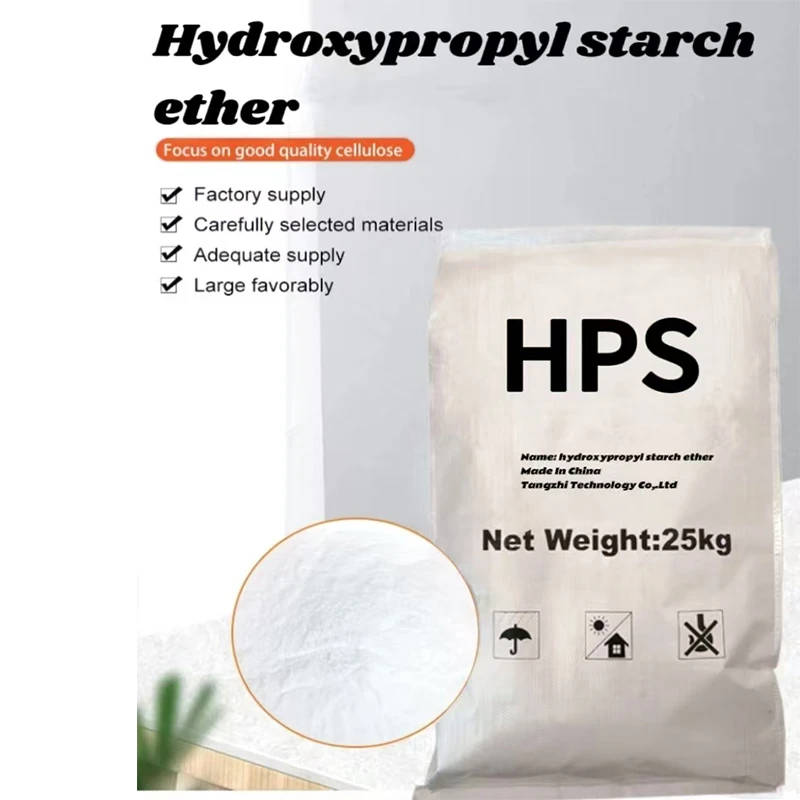
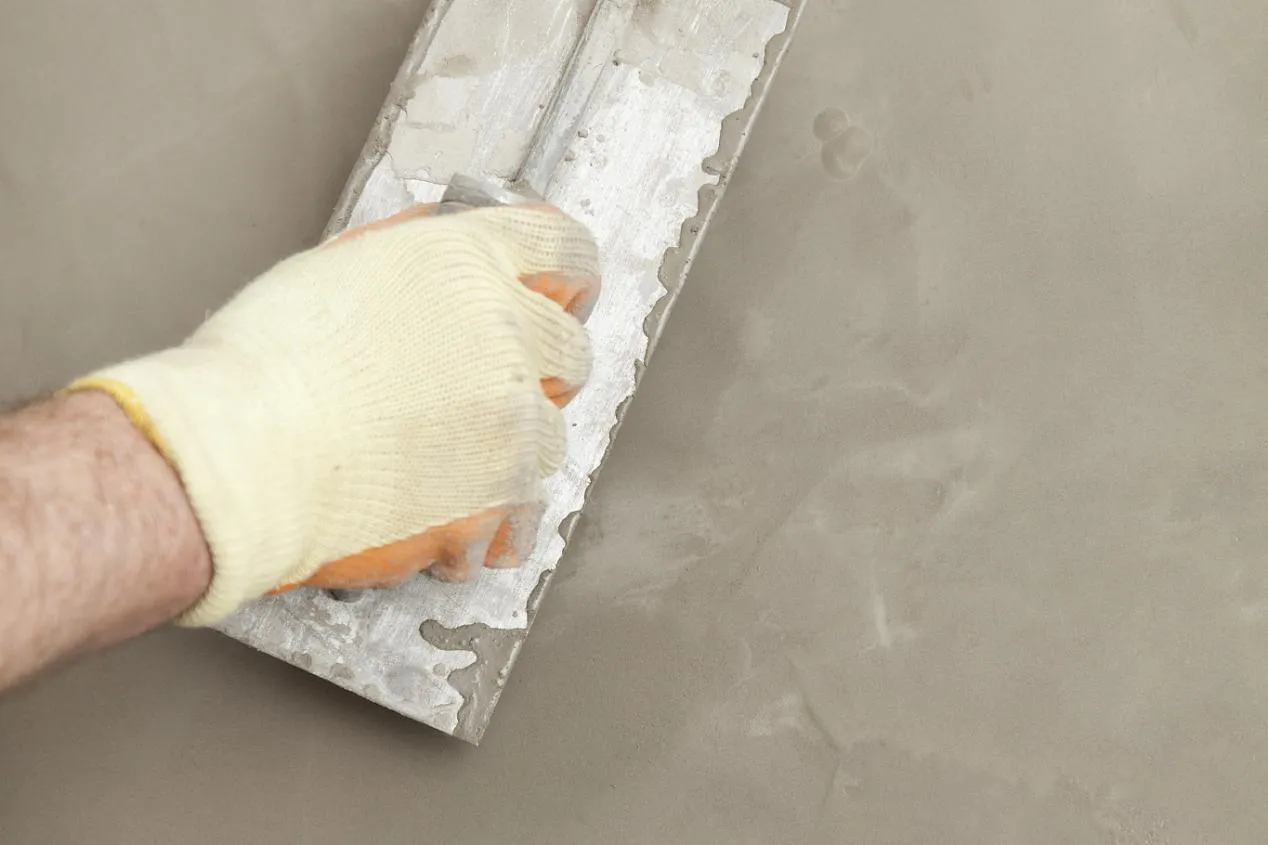
One of the commonly used derivatives is hydroxypropyl starch ether, which is widely applied in construction materials. It acts as a thickener, water-retention agent, and rheology modifier in products such as:
- Dry mortar
- Tile adhesives
- Wall putty
- Gypsum-based plasters
Because hydroxypropyl starch improves workability and prevents rapid water loss, it helps construction materials maintain optimal consistency during application.
Hydroxypropyl Distarch Phosphate (E1442)
Another important modified starch is hydroxypropyl distarch phosphate, a cross-linked starch that provides excellent stability in processed foods and industrial products. It is commonly identified as hydroxypropyl distarch phosphate E1442, a food additive used as a thickener and stabilizer.
Key benefits of E1442 include:
High resistance to heat and acid
Improved freeze–thaw stability
Excellent thickening properties
Enhanced texture in processed foods
Food manufacturers frequently use hydroxypropyl distarch phosphate e1442 in products such as sauces, soups, dairy products, and frozen meals.
Hydroxypropyl Starch Phosphate in Personal Care Products
In the cosmetics industry, hydroxypropyl starch phosphate in hair products has gained popularity due to its ability to improve texture and stability. This modified starch functions as a natural thickener and film-forming agent.
Common cosmetic uses include:
Hair styling gels
Shampoos and conditioners
Creams and lotions
Facial cleansers
Because it is derived from starch, this ingredient is often considered a gentle and skin-friendly alternative to synthetic polymers. Many cosmetic companies also seek reliable hydroxypropyl starch phosphate suppliers to ensure consistent quality for their formulations.
Hydroxyethyl Starch: Medical and Pharmaceutical Applications
While hydroxypropyl starch derivatives are widely used in food and cosmetics, hydroxyethyl starch (HES) plays a critical role in the medical field. This modified starch is produced by introducing hydroxyethyl groups into the starch molecule, which alters its solubility and biological behavior.
Hydroxyethyl Starch as a Plasma Volume Expander
In medicine, hydroxyethyl starch IV solutions are used as plasma volume expanders. These solutions help maintain blood volume in patients experiencing severe blood loss or shock.
Examples include:
Hydroxyethyl starch solution used in emergency medicine
Hydroxyethyl starch hes formulations used during surgical procedures
HES hydroxyethyl starch solutions for trauma treatment
These medical solutions help restore circulatory stability by increasing plasma volume and improving blood flow.
Hydroxyethyl Starch 130/0.4
A commonly used formulation is hydroxyethyl starch 130 0.4, which refers to its molecular weight and degree of substitution. This formulation has been designed to provide effective plasma expansion with improved safety profiles compared to older HES formulations.
Characteristics of hydroxyethyl starch 130 0.4 include:
Rapid elimination from the body
Balanced plasma expansion effect
Improved hemodynamic stability
Because of these advantages, this form of hydroxyethyl starch iv is often used in clinical settings.
Other Hydroxy Starch Variants
The broader category of hydroxy starch includes several modified starch derivatives used in pharmaceuticals and research. One example is 6 hydroxyethyl starch, which represents a specific chemical modification pattern used in certain medical formulations.
These starch derivatives are carefully developed to achieve specific properties such as:
Controlled viscosity
Biocompatibility
Stable intravenous solutions
Predictable metabolic behavior
Medical-grade starch derivatives must meet strict pharmaceutical standards to ensure patient safety and treatment effectiveness.
Modified starch derivatives such as hydroxypropyl starch ether, hydroxypropyl distarch phosphate, and hydroxyethyl starch have become essential functional ingredients across multiple industries. In construction materials, hydroxypropyl starch improves workability and water retention. In food processing, additives like hydroxypropyl distarch phosphate e1442 enhance stability and texture. Meanwhile, medical formulations such as hydroxyethyl starch iv and hydroxyethyl starch solution play a vital role in clinical treatments.
As industries continue to demand more efficient and sustainable ingredients, the development of advanced hydroxy starch derivatives will remain an important focus. Reliable hydroxypropyl starch phosphate suppliers and specialized manufacturers will continue to support global markets with high-quality products that meet modern industrial, medical, and cosmetic requirements.
FAQ: Hydroxypropyl Starch and Hydroxyethyl Starch Applications
1. What is hydroxypropyl starch ether used for?
Hydroxypropyl starch ether is commonly used in construction materials such as dry mortar, tile adhesives, and wall putty. It improves water retention, workability, and consistency during application.
2. What is hydroxypropyl distarch phosphate E1442?
Hydroxypropyl distarch phosphate E1442 is a modified starch used as a thickener and stabilizer in processed foods. It provides excellent resistance to heat, acids, and freezing conditions.
3. How is hydroxyethyl starch used in medicine?
Hydroxyethyl starch IV and hydroxyethyl starch solution are used as plasma volume expanders in medical treatments. They help maintain blood circulation in patients experiencing severe blood loss or shock.
4. What is hydroxypropyl starch phosphate used for in cosmetics?
Hydroxypropyl starch phosphate in hair products is commonly used as a thickener and stabilizer in shampoos, conditioners, and styling products. It helps improve texture and product stability.
5. What does hydroxyethyl starch 130/0.4 mean?
Hydroxyethyl starch 130 0.4 refers to a specific formulation of hydroxyethyl starch hes with a molecular weight of 130 kDa and a substitution ratio of 0.4, designed to provide effective plasma volume expansion with improved safety characteristics.
-
Industrial Guide to Cellosize Hydroxyethyl Cellulose ApplicationsNewsApr.16,2026
-
Industrial Applications and Benefits of nanofibrillar celluloseNewsApr.09,2026
-
Comprehensive Guide to Hydroxypropyl Methylcellulose and Its Diverse ApplicationsNewsApr.07,2026
-
Exploring Cellulose Based Packaging A Sustainable Choice for BusinessesNewsApr.04,2026
-
Comprehensive Guide to MHEC Chemical Properties and Industrial ApplicationsNewsMar.31,2026
-
Exploring Cellulose Packaging for Food A Sustainable and Renewable SolutionNewsMar.28,2026