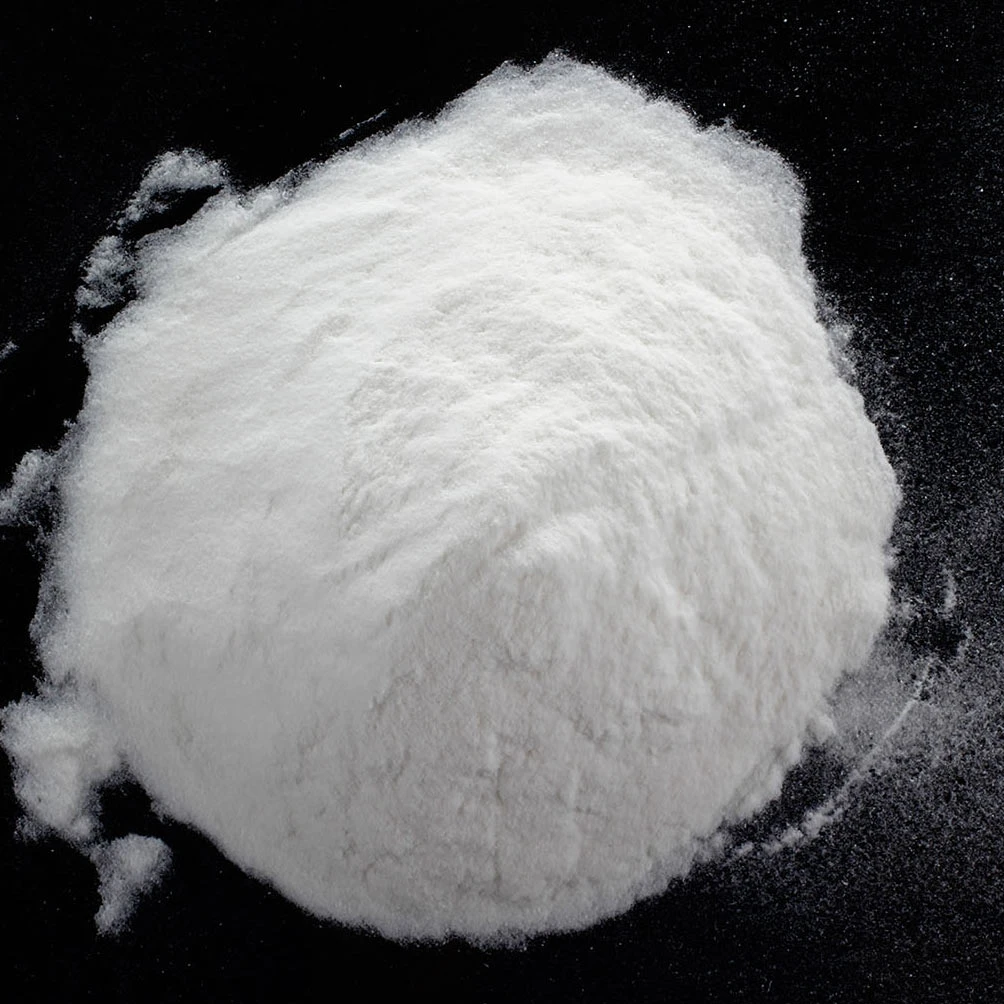
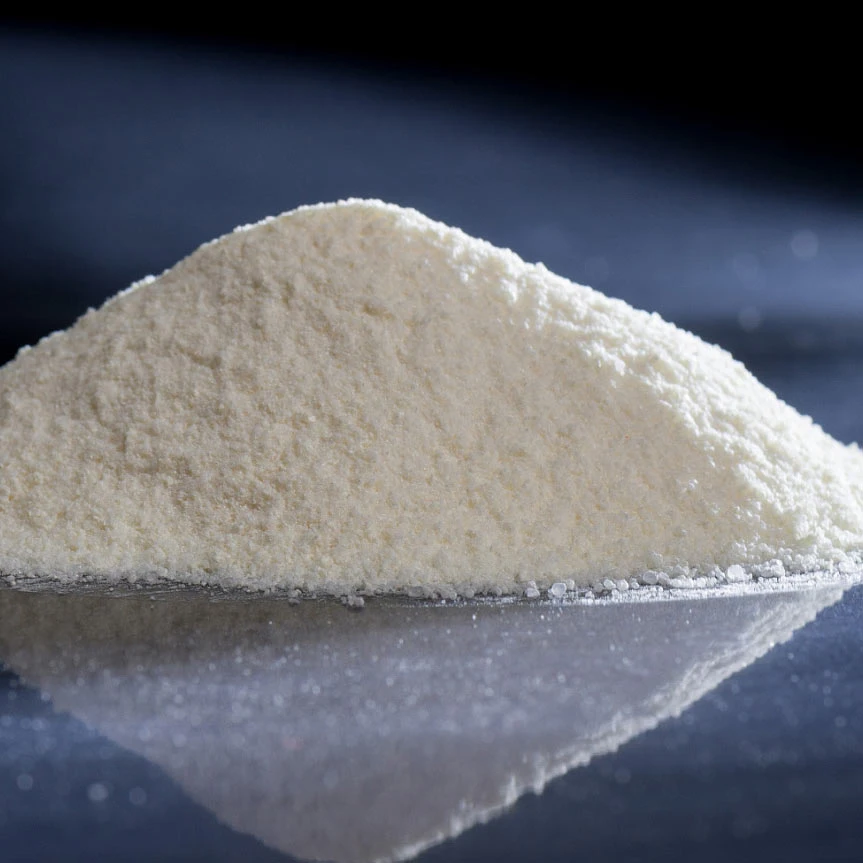
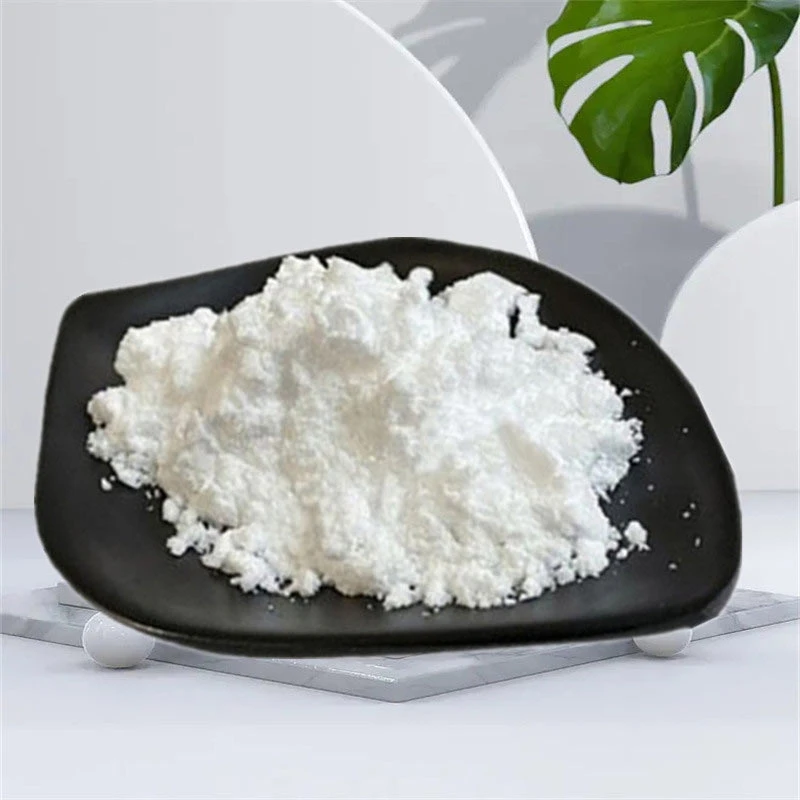
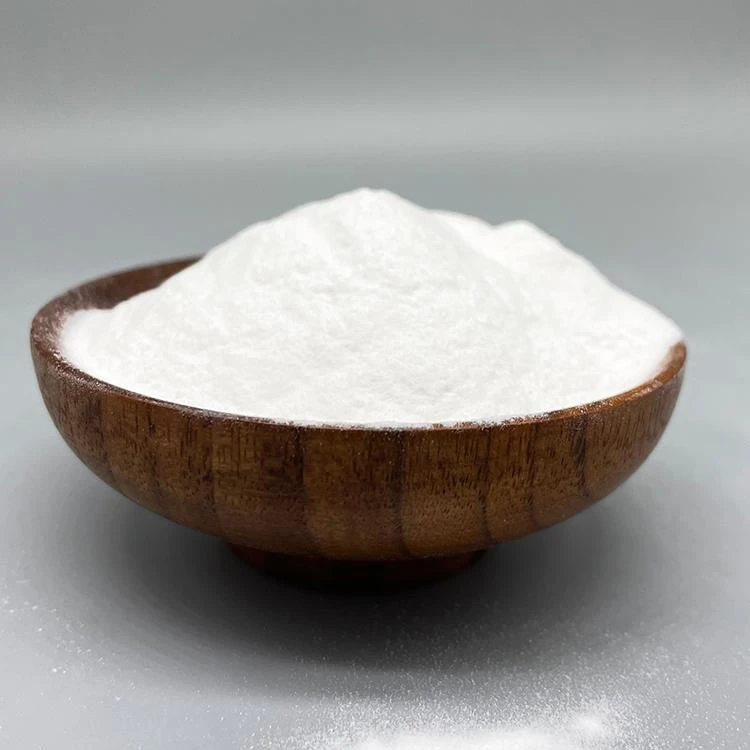
Gypsum Retarder Chemical and Additives: Balancing Setting Time in Plaster Systems
Gypsum-based materials are widely used in construction and interior finishing due to their excellent workability and fire-resistant properties. However, controlling the setting time of gypsum products is essential for achieving optimal application and surface quality. This is where gypsum retarder chemical, gypsum additives, and related solutions such as plaster retarder and extra time plaster additive come into play. By adjusting the hydration process, these additives allow contractors and manufacturers to manage working time effectively. Meanwhile, gypsum accelerator and gypsum plaster accelerator solutions serve the opposite purpose—speeding up setting when rapid strength development is required. Understanding the balance between retarders and accelerators is key to high-quality gypsum applications.
Gypsum Retarder Applications and Working Principles
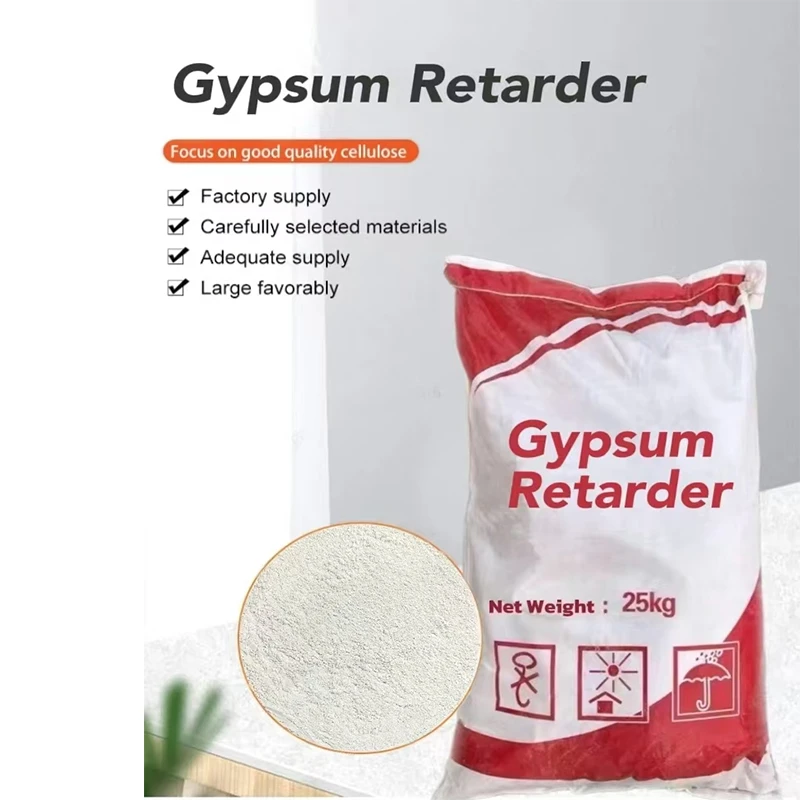
A gypsum retarder chemical functions by slowing down the hydration reaction of gypsum, which in turn extends the setting time of plaster and related materials. This extended working period is particularly valuable in large-scale construction projects where workers need sufficient time to apply and smooth surfaces before hardening occurs. Without retarders, gypsum can set too quickly, leading to uneven finishes and reduced workability.
Common gypsum additives used as retarders include organic compounds and specialty chemicals designed to interact with gypsum crystals. These additives delay the crystallization process, providing more time for application and adjustment. For example, products marketed as easy mix plaster retarder or extra time plaster additive are formulated to enhance user convenience and improve surface quality.
In construction environments, retarders in gypsum products help prevent premature setting, especially in warm or dry conditions where gypsum hydration may accelerate. Temperature and humidity significantly influence setting times, and retarders provide a practical solution for maintaining consistent performance across varying environmental conditions.
The application of retarders extends beyond traditional plastering. They are also used in prefabricated gypsum boards and decorative elements where precise molding and finishing are required. By incorporating retarder in gypsum formulations, manufacturers can achieve smoother surfaces and improved dimensional accuracy.
Gypsum Accelerator vs. Gypsum Retarder: Understanding the Difference
While retarders slow down the setting process, gypsum accelerator and gypsum plaster accelerator additives work to speed it up. Accelerators are particularly useful in situations where rapid setting and strength development are necessary, such as cold weather construction or projects with tight deadlines.
The question of whether gypsum is accelerator or retarder depends on the specific additive used in the formulation. Pure gypsum itself does not inherently act as an accelerator or retarder; its behavior is modified by chemical additives. Accelerators typically contain compounds that promote faster crystal formation, reducing the time required for the material to harden.
For example, in cold environments, gypsum hydration can slow down significantly, delaying project timelines. By using a gypsum accelerator, contractors can counteract these effects and ensure timely progress. Conversely, in hot conditions where gypsum may set too quickly, gypsum retarder applications help maintain workability.
The choice between accelerator and retarder depends on project requirements and environmental factors. In many cases, manufacturers and contractors use a combination of additives to achieve the desired balance of setting time and strength development.
Practical Uses of Plaster Retarders in Modern Construction
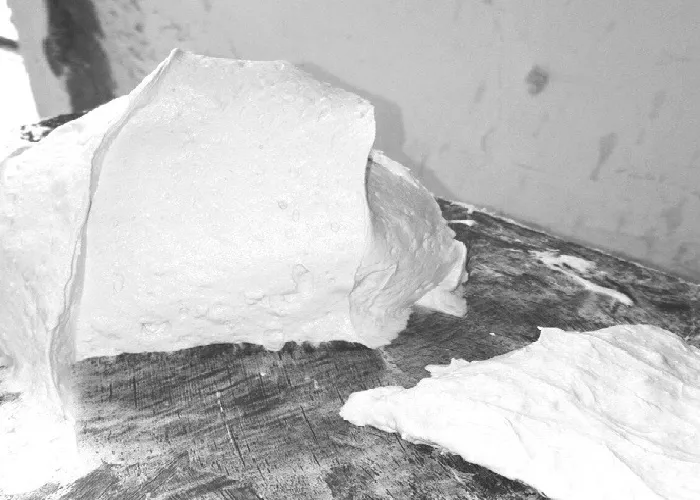
Products such as plaster retarder, cream of tartar plaster retarder, and easy mix plaster retarder offer practical solutions for managing gypsum workability. These additives are especially valuable in decorative plastering and fine finishing applications where extended working time enhances precision.
For instance, cream of tartar plaster retarder is a natural compound often used in small-scale or artisanal plaster applications. Its ability to slow setting without compromising material quality makes it a popular choice for craft and restoration projects. Similarly, extra time plaster additive products provide extended working periods for larger surfaces, allowing workers to achieve smooth and consistent finishes.
In professional construction settings, retarders improve productivity by reducing the risk of premature hardening. When gypsum sets too quickly, workers may need to discard partially applied material and start over, leading to wasted resources and increased costs. By incorporating retarder in gypsum systems, contractors can work more efficiently and achieve higher-quality results.
Additionally, retarders contribute to surface quality by minimizing defects such as cracks and uneven textures. Properly controlled setting times allow gypsum to cure evenly, resulting in durable and aesthetically pleasing finishes.
The Role of Gypsum Additives in Sustainable Construction
The use of gypsum additives aligns with broader trends toward sustainable construction practices. Gypsum is a recyclable and environmentally friendly material, and additives enhance its performance without compromising sustainability. By optimizing setting times and workability, additives reduce material waste and improve overall project efficiency.
For example, gypsum retarder chemical solutions enable precise application, reducing the likelihood of rework and material disposal. This not only saves resources but also contributes to lower environmental impact. Similarly, gypsum accelerator products support rapid construction schedules, reducing energy consumption and labor costs.
As the construction industry continues to prioritize sustainability, the demand for high-performance additives is expected to grow. Manufacturers are investing in research and development to create innovative solutions that balance performance with environmental responsibility.
Gypsum retarders and accelerators play a critical role in modern construction and material science. Whether extending working time with a gypsum retarder chemical or speeding up setting with a gypsum accelerator, these additives provide essential control over gypsum performance. Products such as plaster retarder, easy mix plaster retarder, and extra time plaster additive enhance workability and surface quality, making them indispensable in professional applications.
Understanding the difference between retarders in gypsum products and accelerators allows contractors and manufacturers to select the right solution for their projects. Environmental conditions, project timelines, and desired outcomes all influence additive choices. By leveraging the capabilities of gypsum additives, the construction industry can achieve higher efficiency, improved quality, and sustainable outcomes.
As innovation continues, the development of advanced additives will further expand the possibilities of gypsum-based materials. From decorative finishes to large-scale construction, these solutions will remain a cornerstone of modern building practices.
FAQ: Gypsum Retarder Chemical and Gypsum Additives (gypsum retarder applications)
1. What is a gypsum retarder chemical and how does it work?
A gypsum retarder chemical slows the hydration process of gypsum, extending the setting time and improving workability. It allows contractors to apply and finish surfaces without premature hardening.
2. What are gypsum retarder applications in construction?
Gypsum retarder applications include plastering, decorative finishing, and large-scale construction projects where extended working time is required. Retarders help achieve smooth surfaces and reduce material waste.
3. How do gypsum accelerators differ from retarders?
A gypsum accelerator speeds up the setting process, while a retarder slows it down. Accelerators are useful in cold conditions or time-sensitive projects, whereas retarders enhance workability in warm environments.
4. What is an easy mix plaster retarder?
Easy mix plaster retarder products are designed for user-friendly application, providing extended working time without complex preparation. They improve consistency and surface quality in plastering projects.
5. Is gypsum an accelerator or retarder by itself?
Gypsum itself is neither an accelerator nor a retarder. Its setting behavior is influenced by additives such as gypsum additives, which modify hydration and workability.
-
Industrial Guide to Cellosize Hydroxyethyl Cellulose ApplicationsNewsApr.16,2026
-
Industrial Applications and Benefits of nanofibrillar celluloseNewsApr.09,2026
-
Comprehensive Guide to Hydroxypropyl Methylcellulose and Its Diverse ApplicationsNewsApr.07,2026
-
Exploring Cellulose Based Packaging A Sustainable Choice for BusinessesNewsApr.04,2026
-
Comprehensive Guide to MHEC Chemical Properties and Industrial ApplicationsNewsMar.31,2026
-
Exploring Cellulose Packaging for Food A Sustainable and Renewable SolutionNewsMar.28,2026